Clear Sky Science · en
Precipitation observing network gaps limit climate change impact assessment
Why Rainfall Measurements Matter to Everyone
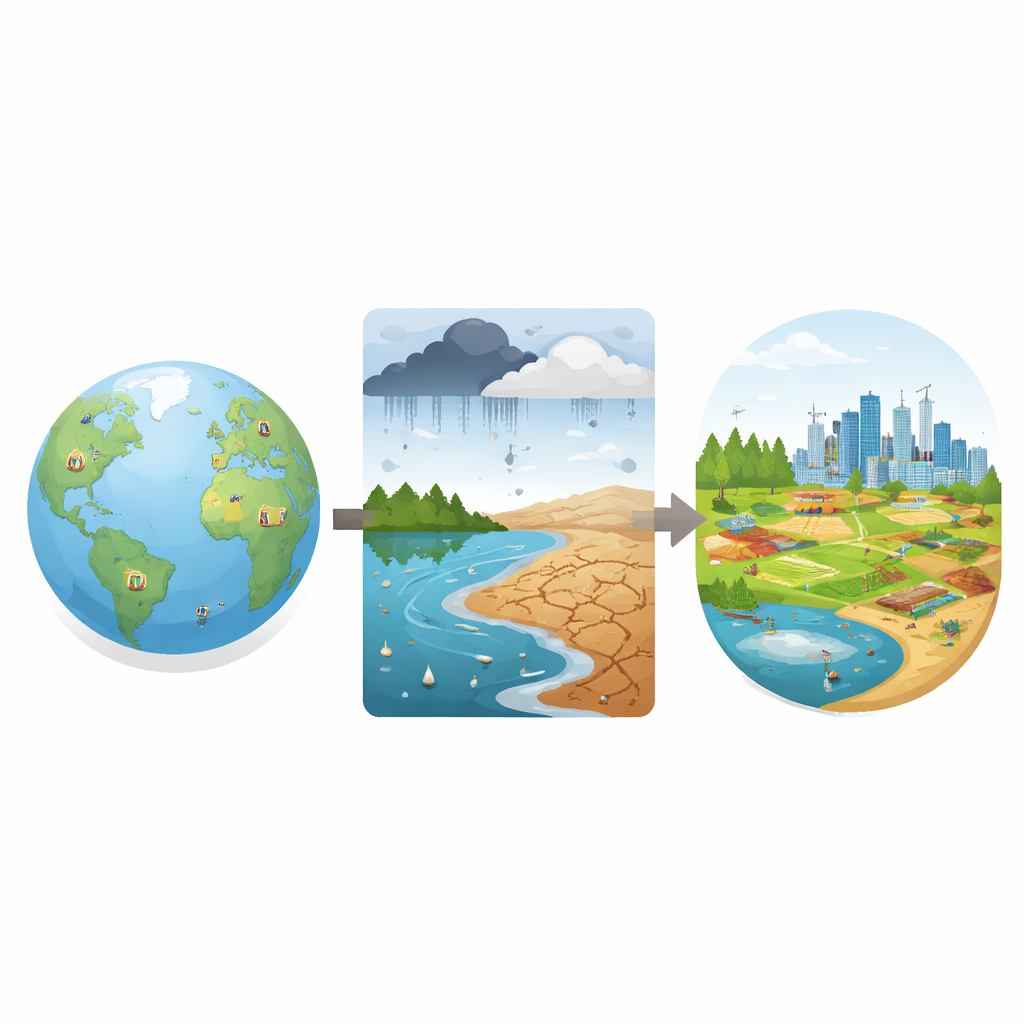
From the crops that feed us to the rivers that power our cities, almost every part of daily life depends on rain and snow. Yet the world’s basic tools for measuring this water from the sky—simple rain gauges—are far more patchy than most people realize. This study shows that large parts of the planet, especially in regions already vulnerable to droughts and floods, lack enough gauges to track how climate change is reshaping rainfall. Without these measurements, our forecasts, risk maps and plans for water security rest on shaky ground.
How We Watch the World’s Rain
Scientists can estimate rainfall from satellites and weather radar, which offer sweeping views of storms across continents. But these methods still need ground truth. Rain gauges—funnels that capture and measure falling water at a specific spot—provide the most accurate readings at the surface. The authors assembled the largest-ever global database of such gauges: 221,483 stations with records from 1900 to 2022. They compared where these gauges are, how long they have been running and how well they cover different landscapes, such as plains, mountains, coasts, islands, cities and dry or polar regions.
Big Gaps in a Basic Global Network
The analysis reveals that the global rain-gauge network falls far short of standards set by the World Meteorological Organization for monitoring yearly rainfall. Only about 13% of the world’s land surface has enough gauges even when all stations are counted; if the focus is narrowed to stations with long, mostly complete records, that share drops below 2%. Europe, and especially Germany, has the densest coverage, while Africa has the sparsest. Small islands and cities stand out as chronically under-measured, despite facing intense flood risks, rising seas and rapid growth. The number of long-record stations has declined since the 1980s because of political change, economic hardship and limited data sharing, weakening our ability to detect long-term climate shifts.
Finding Where New Gauges Are Most Needed
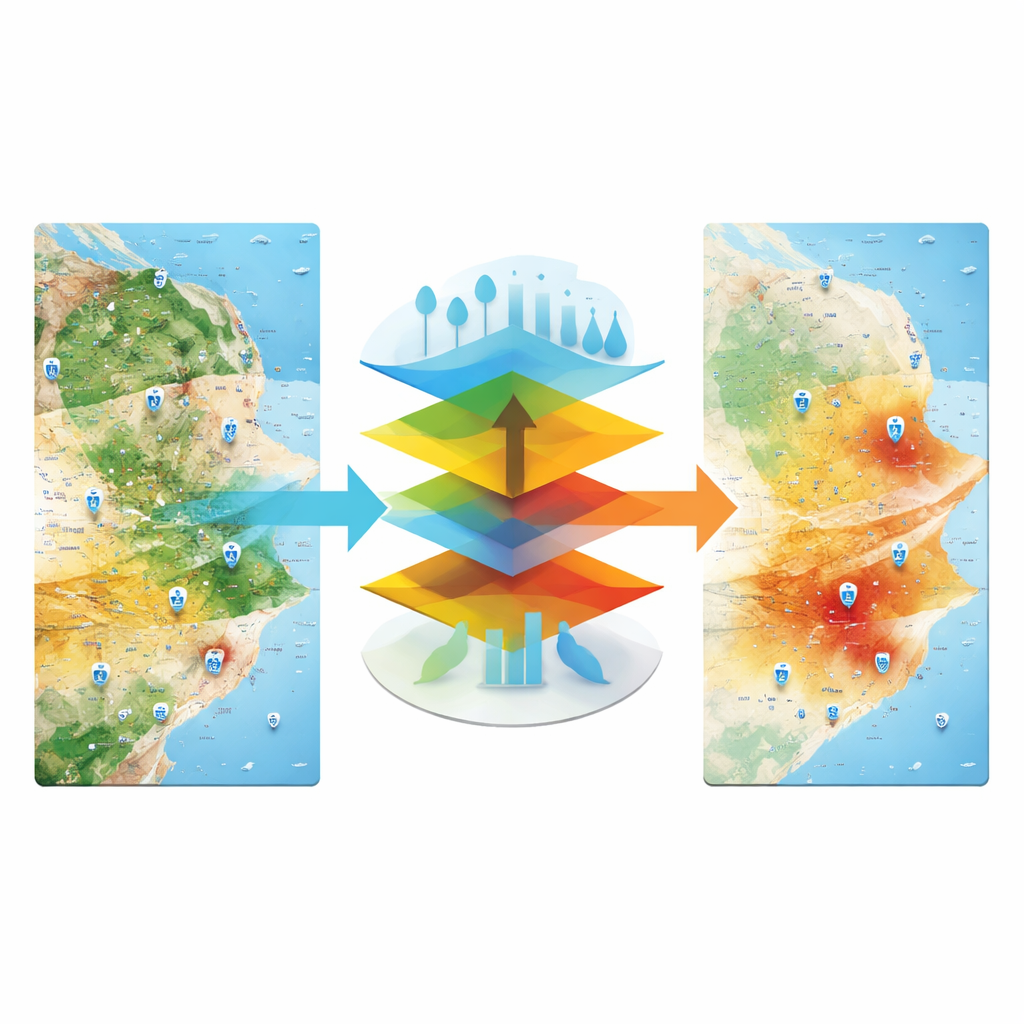
To move beyond a simple map of where gauges exist, the researchers asked: where would a new station add the most information? They developed a priority index that combines two ideas. First, if rainfall varies sharply from place to place, more gauges are needed to capture that patchiness. Second, if nearby stations all tell the same story, adding another in the same cluster yields little new insight. Using daily data from long-record stations, they measured how unique each area’s rainfall pattern is versus how redundant nearby gauges are. Regions with highly variable rainfall but few independent stations—such as Central Africa, northern South America and parts of northern North America and Europe—emerge as high priority. Overall, about a quarter of global land already requires urgent expansion of gauge networks.
Looking Ahead in a Warming, Crowded World
Climate change and population growth will only increase the need for better rainfall monitoring. The team combined climate-model projections of future rainfall with forecasts of population and economic activity for low- and high-emission futures. Under a high-emission pathway, roughly one-third of the world’s land becomes high priority for new gauges. Monsoon regions in Africa, South America and southern Asia see especially large jumps in need because of stronger swings between wet and dry conditions. At the same time, growing and wealthier cities in countries such as India, Pakistan, Mexico, Iran and China will require denser networks to track flash floods and water stress, even if they currently have a fair number of gauges.
What This Means for Society
The study’s central message is straightforward: we cannot reliably judge how climate change is altering water extremes, or design fair and effective adaptation plans, without better basic measurements of rain and snow. Strategic investment in new gauges—especially in underserved rural regions, fast-growing cities, high mountains and small islands—would greatly improve early warnings for droughts and floods, sharpen climate models and support food, energy and water planning. Equally important is opening up existing data so that scientists and agencies worldwide can use them. In short, filling the gaps in our rainfall observing network is not just a technical upgrade; it is a foundation for protecting communities in a changing climate.
Citation: Su, J., Miao, C., Zwiers, F. et al. Precipitation observing network gaps limit climate change impact assessment. Nature 652, 119–125 (2026). https://doi.org/10.1038/s41586-026-10300-5
Keywords: rainfall monitoring, climate change impacts, water security, extreme weather, global rain gauges