Clear Sky Science · en
From data to policy: a systematic review of AI in water regulations and compliance
Why Smarter Water Rules Matter
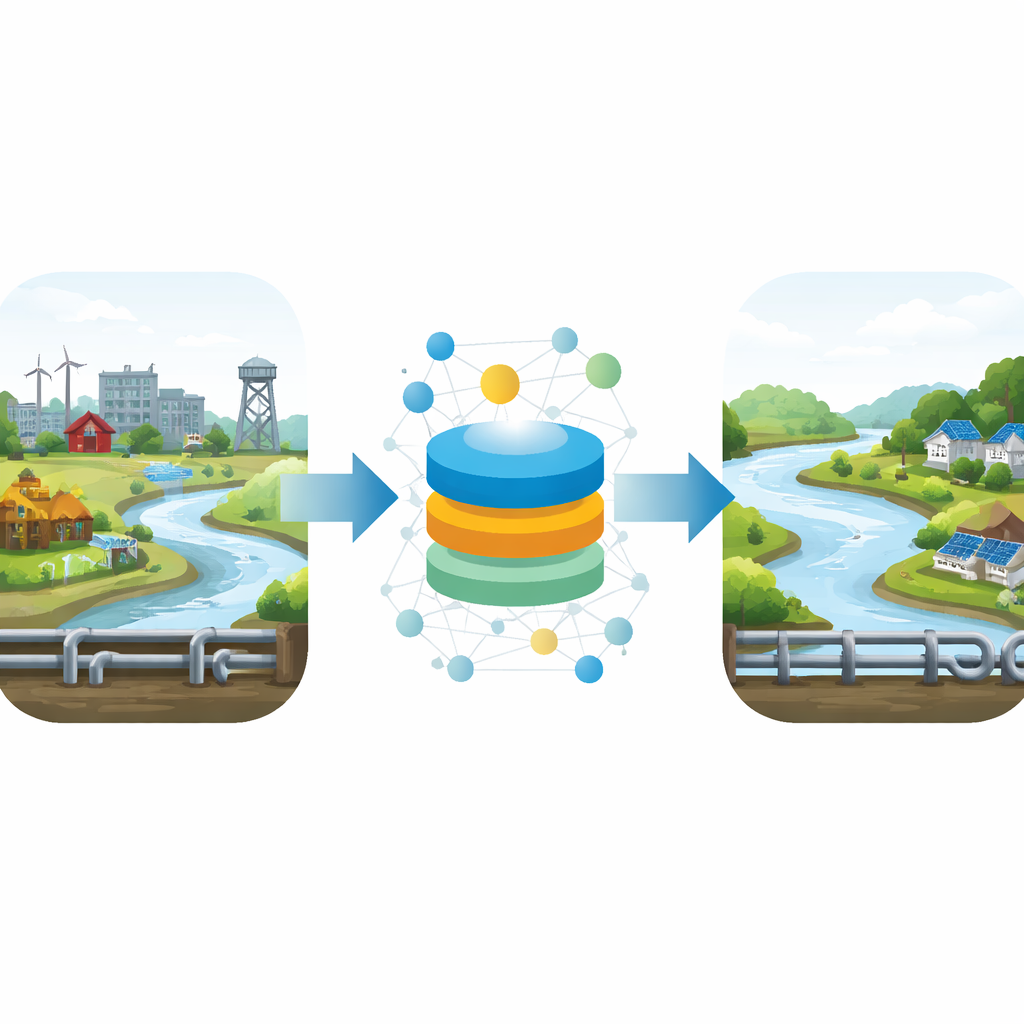
Clean, safe water depends not only on pipes and treatment plants, but also on the rules that keep pollution in check and tap water drinkable. Around the world, regulators struggle with aging infrastructure, limited staff, and floods of data from rivers, utilities, and sensors. This article reviews more than 100 scientific studies to ask a timely question: can artificial intelligence (AI) help governments spot problems sooner, enforce water laws more fairly, and design better policies for everyone?
How the Study Took Stock of AI and Water Rules
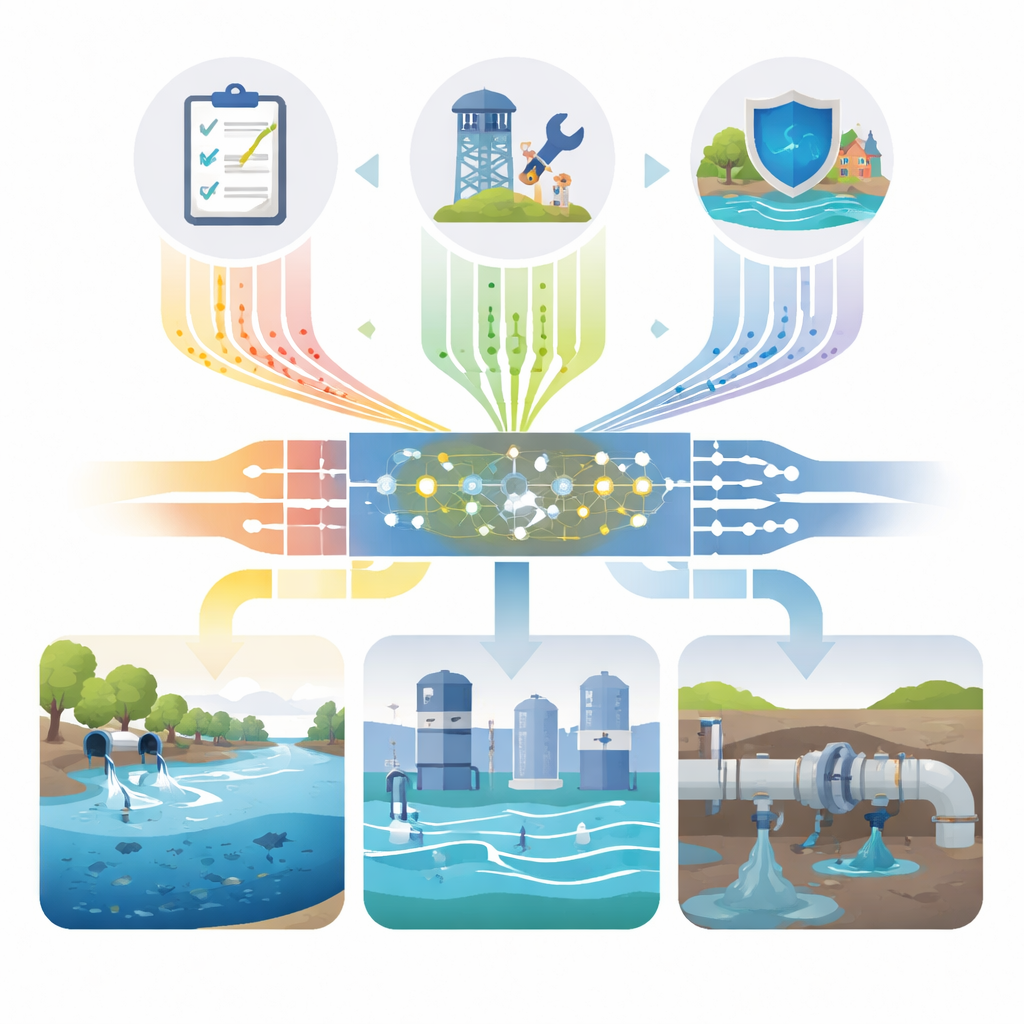
The authors combed through peer‑reviewed research from 2004 to 2025, focusing only on studies that tied AI directly to water regulation, compliance, or policy decisions. They grouped each paper into one of three everyday concerns: controlling pollution in rivers and lakes, ensuring safe drinking water, and managing and upgrading water infrastructure such as sewers and distribution networks. Using an eight-part checklist, they scored how each study handled technical quality, links to real laws and standards, use of real-world case studies, attention to fairness and trust, and consideration of social and economic impacts.
Where AI Is Already Helping on the Ground
Roughly half of the studies dealt with pollution in rivers, coastal waters, and wastewater. Here, machine‑learning models are being trained on years of monitoring data to predict when and where harmful discharges will occur, to trace sources of contamination, and to optimize how treatment plants operate. Another third focused on infrastructure, using AI to forecast pipe breaks, prioritize repairs, and plan long‑term investments under climate stress. A smaller but growing share examined drinking water safety, using advanced models to flag lead and nitrate risks, classify whether water is fit to drink, and power early‑warning systems fed by online sensors. In most of these efforts, AI acts as a smart assistant—sifting complex data so that inspectors and utility operators can act faster and target limited resources where they matter most.
From Better Operations to Better Policies
Many studies used AI to fine‑tune operations within the rules that already exist: cutting costs, reducing overflows, or meeting pollutant limits more reliably. Far fewer used AI to question or improve the rules themselves—for example, by asking whether enforcement actions actually reduce violations, or whether some communities bear more risk than others. A handful of “causal” studies did just that, using advanced statistics to estimate how policy choices change real‑world pollution and health outcomes. Others built decision‑support systems that combine maps, models, and scenario tools to help officials test different policy options before they are put into practice. Still, these integrated approaches are the exception, not the norm, and most AI work remains one step removed from day‑to‑day lawmaking.
Trust, Fairness, and the Human Side of Algorithms
Because water decisions affect public health and basic rights, trust in AI tools is crucial. Yet only about one in five studies explicitly tackled issues such as transparency, safety, or bias. A small group used explainable techniques that show which factors drove a model’s prediction—helping regulators understand, for instance, why a neighborhood was flagged for high lead risk. Just over half of the papers discussed broader social or ethical questions, such as whether poor or rural communities are more likely to suffer from violations, whether projects are affordable, or how to include local voices in planning. Many utilities and agencies cited practical barriers too: scattered data, lack of staff expertise, and uncertainty about how to integrate AI into existing workflows and legal frameworks.
What This Means for the Future of Clean Water
The review concludes that AI already offers powerful tools to monitor water quality, run treatment systems more efficiently, and support smarter investment in infrastructure. But to truly strengthen water governance, these tools must be woven into clear decision‑support systems, aligned with legal standards, and designed with openness and fairness in mind. That means building models that regulators and communities can understand, checking for unequal impacts across neighborhoods, and creating safeguards so automated recommendations remain accountable to human judgment. Used wisely, AI will not replace water laws or regulators—it can instead become a practical ally that helps deliver cleaner rivers, safer taps, and more resilient water systems for all.
Citation: Wang, Y., Wilchek, M. & Batarseh, F.A. From data to policy: a systematic review of AI in water regulations and compliance. npj Clean Water 9, 33 (2026). https://doi.org/10.1038/s41545-026-00555-w
Keywords: artificial intelligence, water regulation, drinking water safety, infrastructure resilience, environmental justice