Clear Sky Science · en
Peripheral rotavirus-specific T-cell responses following monovalent oral rotavirus vaccine in infants
Why this baby vaccine story matters
Rotavirus is a major cause of life‑threatening diarrhea in babies, especially in low‑ and middle‑income countries. Oral rotavirus vaccines have dramatically reduced deaths, but they do not work equally well everywhere. This study looks under the hood of the immune system in infants from the United States, Panama, and Peru to see how their white blood cells, not just antibodies, react to a widely used oral rotavirus vaccine. Understanding these hidden responses may help explain why protection varies from child to child and guide better vaccines in the future.
Rotavirus, vaccines, and a lingering puzzle
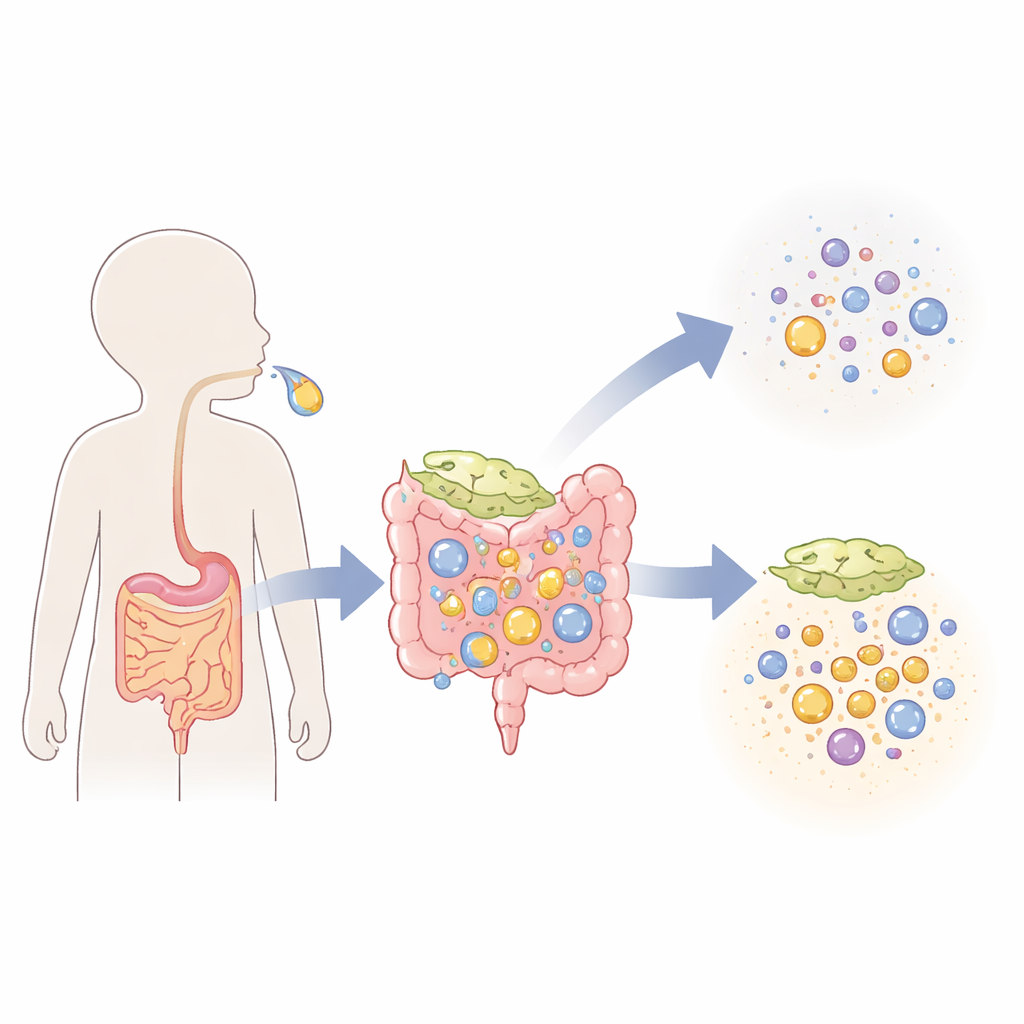
Before vaccines, rotavirus killed hundreds of thousands of young children worldwide each year. Today, two oral vaccines have cut deaths by about three‑quarters, yet the protection they provide is far weaker in many poorer countries. Most studies have focused on one blood marker: a jump in a type of antibody called IgA after vaccination. While useful, this marker does not fully predict who will be protected. Far less is known about how T cells—immune cells that coordinate and carry out attacks on infected cells—respond to the vaccine in real infants. This study set out to provide a detailed look at rotavirus‑specific T cells in vaccinated babies and compare them with responses to another common virus, cytomegalovirus (CMV).
How the researchers studied infant immune cells
The team followed 303 healthy infants, ultimately performing deep T‑cell analyses in 39 of them who received the monovalent oral rotavirus vaccine (Rotarix) at 2 and 4 months of age. Blood was taken before vaccination, two months after the second dose, and in a smaller group again at one year of age. The scientists exposed the babies’ immune cells in the lab to carefully designed pieces of rotavirus or CMV and then measured which T cells became activated, what memory “flavor” they took on, and whether they could make potent defense molecules. They also measured rotavirus‑specific IgA antibodies and scanned the infants’ blood for dozens of immune‑signaling proteins.
What they found in baby T cells
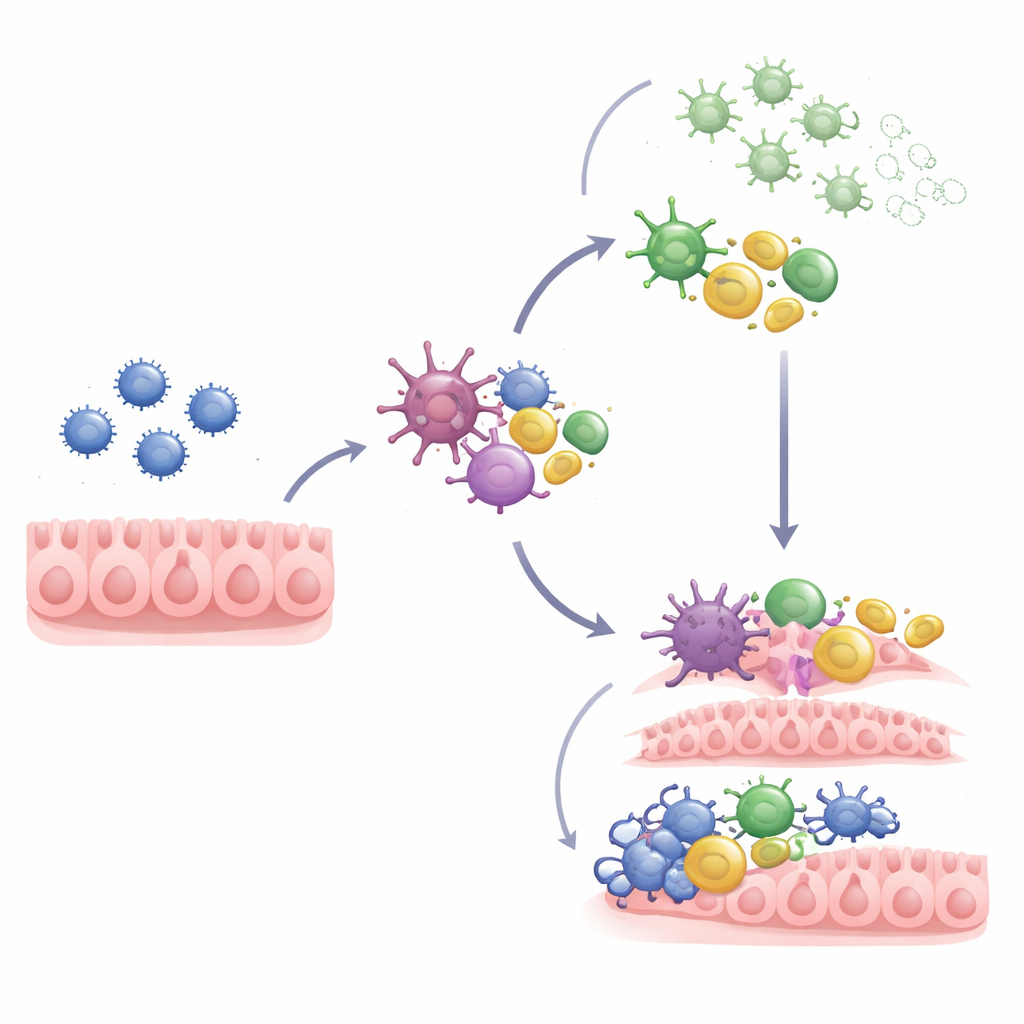
Rotavirus vaccination did boost the number of rotavirus‑specific helper T cells (CD4 cells) in the blood, and many of these cells showed hallmarks of memory, meaning they were poised to respond again if they saw the virus. However, these responses were modest, and in many infants they faded back toward baseline by 8 months after vaccination—the period when rotavirus disease can still be severe. Killer T cells (CD8 cells) that specifically recognized rotavirus were even weaker and showed poor ability to produce antiviral molecules compared with CMV‑specific cells in the same babies. Interestingly, part of the rotavirus response included regulatory T cells and helper cells with a “type‑2” profile, a pattern more associated with controlling inflammation or fighting parasites than with strong antiviral attacks.
Pre‑existing immunity and mixed responses
The study also revealed that infants came into vaccination with very different starting points. Some already had signs of exposure to rotavirus, likely through early infection or contact with others shedding the virus. Babies who began with higher levels of rotavirus‑specific antibodies or T cells tended to show smaller boosts after vaccination—almost as if they had already reached a ceiling. Overall, antibody jumps and T‑cell jumps were only weakly linked: some infants responded mainly with antibodies, others mainly with T cells, some with both, and some with neither. One immune messenger in particular, the protein IL‑4 measured before vaccination, was higher in infants who later mounted poorer antibody and T‑cell responses, hinting that their immune systems were leaning toward a less antiviral, more regulatory setting from the start.
What this means for protecting babies
To a non‑specialist, the key message is that the rotavirus vaccine does trigger memory in infant T cells, but these responses in blood are relatively weak, fade within the first year of life, and differ sharply between children. Many babies appear to carry some prior immunity that blunts how much the vaccine can add. The findings suggest that relying on a single antibody test misses important pieces of the protection story and that much of the durable defense may sit in gut tissues rather than in circulating blood. Future vaccines, or adjusted schedules, may need to account for early life immune biases and pre‑existing exposure so that more children, especially in low‑ and middle‑income countries, gain strong and lasting protection against this dangerous diarrheal virus.
Citation: Nicols, A.R., Lee, Y., Congrave-Wilson, Z. et al. Peripheral rotavirus-specific T-cell responses following monovalent oral rotavirus vaccine in infants. npj Vaccines 11, 83 (2026). https://doi.org/10.1038/s41541-026-01405-z
Keywords: rotavirus vaccine, infant immunity, T cell responses, oral vaccines, diarrheal disease