Clear Sky Science · en
Trends, challenges, and opportunities for the United States alternative meat and seafood sector: stakeholder-informed perspectives
Why Your Next Burger Might Be Different
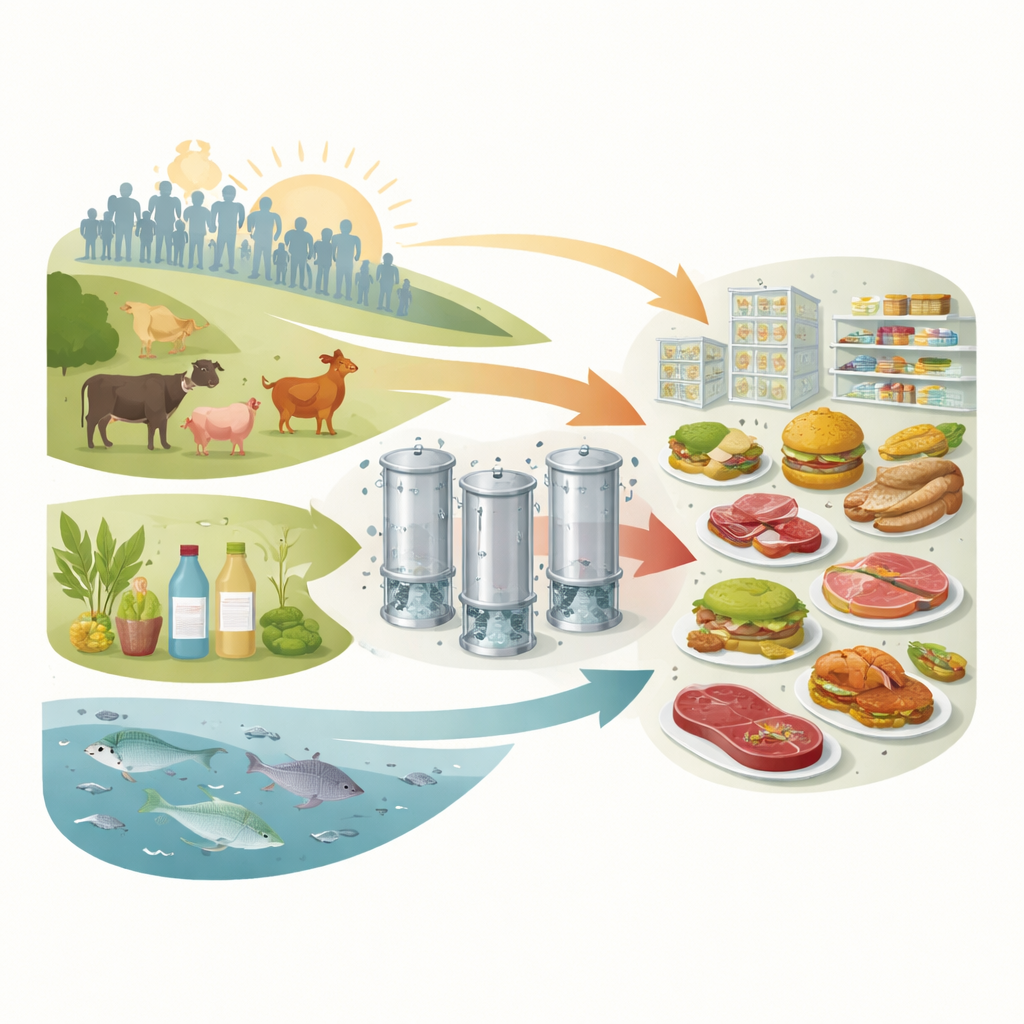
Across the globe, people are eating more protein than ever before, and demand is still climbing. This has sparked intense interest in “alternative” meats and seafood made from plants, fermentation, or animal cells grown in tanks. These products promise familiar flavors with a lighter footprint on the planet and potentially better health and animal welfare outcomes. This article takes readers behind the scenes of the U.S. alternative protein sector, drawing on in‑depth interviews with key players to explain how we got from early excitement to today’s crossroads, and what must happen for these foods to become a regular part of our meals.
From Buzz to a Bumpy Ride
Interviewed stakeholders describe the past decade as a roller coaster. Between about 2009 and 2021, plant‑based burgers and sausages that closely mimicked meat, together with the first cell‑grown burger, triggered a wave of curiosity, media coverage, and investment. Companies like Beyond Meat and Impossible Foods became symbols of a new food future, helping drive billions of dollars into the sector. The COVID‑19 pandemic briefly boosted sales as people cooked at home more and experimented with new products. But by 2022, the boom cooled: sales of plant‑based meat flattened or fell, investor money shifted toward other technologies, and many startups struggled to move beyond promising prototypes into profitable, large‑scale production. Stakeholders likened this shift to falling into a “trough of disillusionment” after early hype.
Who Is Shaping the New Protein World
The sector has grown far beyond a handful of vegan brands. The interviewees—spanning startups, major food companies, investors, researchers, regulators, and nonprofits—paint a picture of a sprawling ecosystem. Government agencies set safety and labeling rules; trade groups and advocacy organizations push for favorable policies; investors and philanthropies fund research and early companies; and chefs, retailers, doctors, and social‑media personalities influence what ends up on our plates. Many of these actors are supportive, but others, especially some meat and dairy trade associations, push back through lobbying, public messaging, and state‑level laws that can restrict how products are labeled or even whether cell‑cultivated meat can be sold at all. The result is a charged, sometimes confusing policy environment that young companies must navigate while still figuring out their technology and markets.
What Eaters Want—and Why It’s Hard to Deliver
Despite early enthusiasm, most shoppers do not buy alternative meat for ethical or environmental reasons alone. Stakeholders repeatedly emphasized two simple drivers: taste and price. If a product costs more than conventional meat and does not taste as good or better, repeat purchases are unlikely. Many people also try just one product and let that single experience shape their view of the entire category, raising the bar for every new launch. At the same time, consumers are increasingly focused on health. They want high protein, more fiber, and less saturated fat, but are wary of long ingredient lists and “ultra‑processed” foods. This creates a tightrope for producers: they must offer familiar, convenient items like nuggets or burgers, while improving nutrition profiles and reassuring people that these foods are not just fancy junk food.
Scaling Up from Lab Bench to Dinner Plate
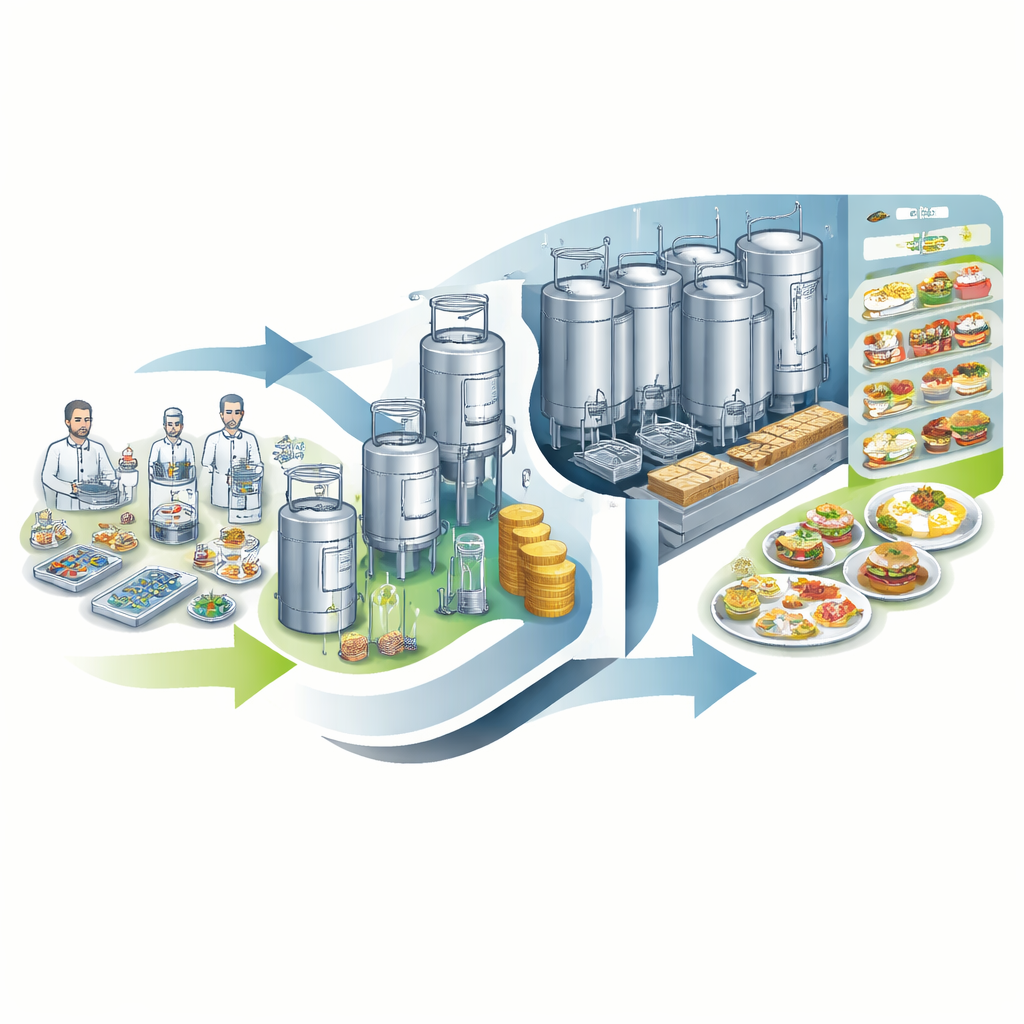
Behind every alternative burger or fish fillet is a complex production chain that is still being built. Stakeholders described high costs and limited manufacturing capacity as some of the sector’s biggest obstacles. Plant‑based products are the most advanced, but only a few brands have reached the scale needed to lower prices. Fermentation‑based and cell‑cultivated products face even steeper challenges: they require large, food‑grade tanks, steady supplies of specialized inputs, and new kinds of factories that “assemble” protein rather than carving it from animals. Venture capital is no longer enough to fund this build‑out. Interviewees argued that public support—such as loan guarantees, tax credits, and government purchasing—will be needed, along with shared facilities and contract manufacturers that multiple companies can use. New product ideas, like “hybrid” items that blend animal, plant, and cell‑grown components, could help bridge taste and cost gaps while the technology matures.
Stories, Politics, and the Battle for Public Opinion
Many stakeholders felt that the sector has not yet found the right story to tell consumers or lawmakers. Early campaigns framed alternative proteins as replacements that would make livestock farming obsolete, a message some now see as alienating both farmers and meat‑eating shoppers. A newer approach presents them as “complementary” options that help meet rising protein needs while easing pressure on land, oceans, and climate. At the same time, critics have begun to link these products to broader worries about highly processed foods, drawing comparisons to past controversies over genetically modified crops. Interviewees stressed the need for clearer research on health impacts, better communication of benefits such as cleaner seafood and reduced contaminants, and messages that align with political priorities like job creation, national competitiveness, and food security.
What This Means for Your Future Meals
The experts interviewed see alternative meat and seafood at a turning point. The first wave of hype has passed, but the underlying reasons for pursuing new protein sources—growing global demand, environmental strain, and health concerns—are only becoming more urgent. Whether these products become a niche curiosity or a routine part of weekly grocery trips will depend on solving practical challenges: making them tastier and cheaper, building large‑scale production and supply chains, clarifying rules and regulations, and earning the trust of both consumers and farmers. If those hurdles are cleared, alternative proteins are likely to sit alongside, rather than fully replace, conventional meat and fish—quietly reshaping the food system as one tool among many for feeding billions of people with fewer resources.
Citation: Wood, A., Consavage Stanley, K., Daly, J. et al. Trends, challenges, and opportunities for the United States alternative meat and seafood sector: stakeholder-informed perspectives. npj Sci Food 10, 133 (2026). https://doi.org/10.1038/s41538-026-00841-4
Keywords: alternative protein, plant-based meat, cell-cultivated meat, food policy, sustainable seafood