Clear Sky Science · en
Comprehensive nutritional analysis of 95 oat cultivars reveals large variability in nutritional profile: protein, starch, fat, β-glucan and fibre
Why the oats in your bowl aren’t all the same
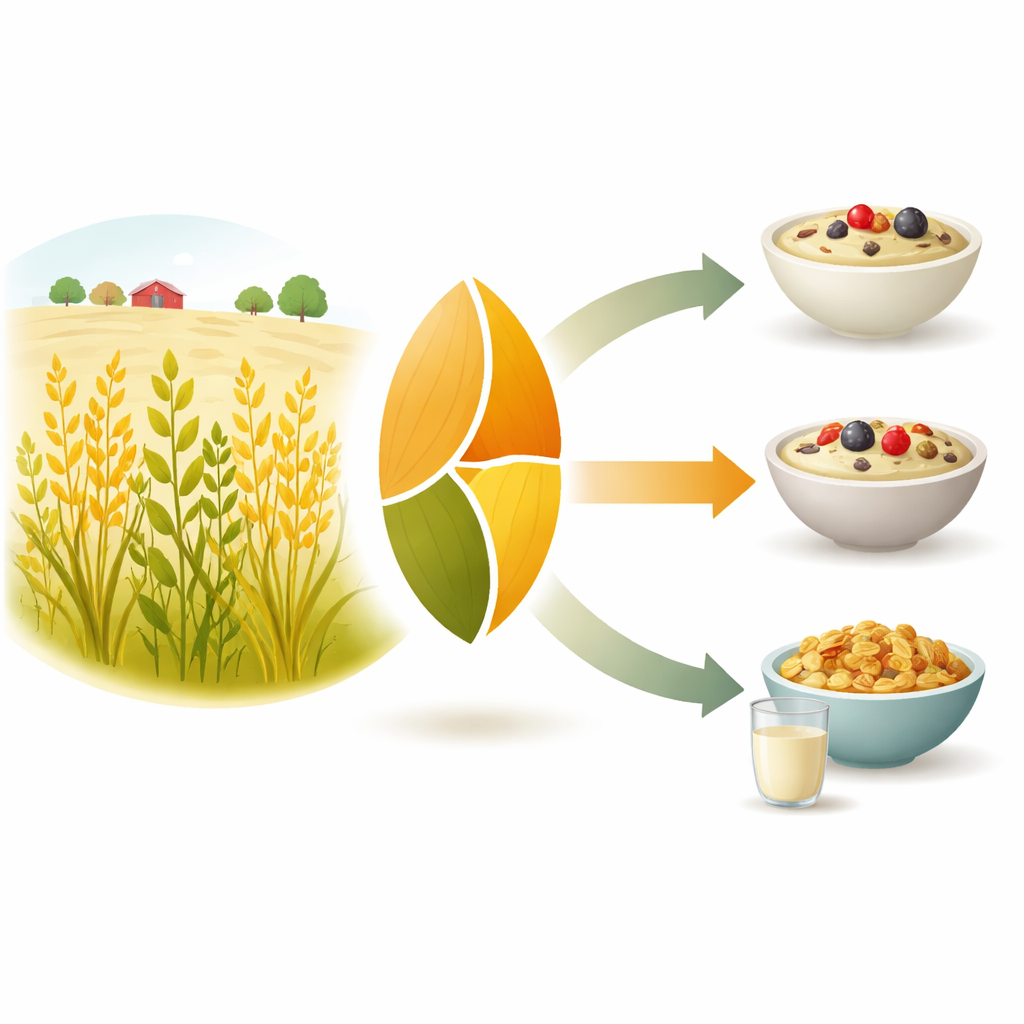
Most of us think of oats as a single, wholesome ingredient: the same comforting flakes, morning after morning. This study shows that reality is far more interesting. Different oat varieties can have strikingly different amounts of protein, fibre and special compounds that help lower cholesterol and steady blood sugar. By treating all oats as equal, current farming and food systems may be leaving major health benefits on the table.
A closer look at hidden variety in oats
The researchers examined 95 types of oats grown in Ireland, many of which are not familiar to shoppers but are common in breeding programs and test fields. They measured key components of the grain: protein, starch (the main source of calories), fat, mineral-rich ash, a soluble fibre called beta-glucan, and a broader “fibre-rich” fraction that includes other complex carbohydrates. Rather than finding a narrow, uniform profile, they uncovered wide spreads: protein nearly doubled between the lowest and highest varieties; fat content more than quadrupled; and the fibre-rich fraction varied more than threefold. Starch, which makes up about half the grain, turned out to be the most stable piece of the puzzle.
How growing conditions reshape the grain
The team did not stop at field trials. For 21 of the varieties, they grew plants both outdoors in farmers’ fields and indoors in a controlled glasshouse, then compared the grain. The same oat line could produce quite different nutritional profiles depending on where it was grown. Glasshouse oats tended to be richer in protein, ash and the fibre-rich fraction, while field-grown oats carried more starch, fat and beta-glucan. Some traits, such as protein ranking among varieties, stayed fairly stable across conditions, suggesting strong genetic control. Others, especially beta-glucan, shifted position from one setting to another, revealing a stronger influence of weather, soil and management.
Why current breeding misses nutritional gold
Modern oat breeding has focused mostly on yield and traits that make harvest and storage easier—such as grain size, resistance to lodging and overall field performance. Nutritional traits rarely enter official variety recommendations, even though earlier research and this study show there is rich genetic diversity to draw from. In Ireland, for example, the widely grown variety Husky performs reliably in the field and is used here as a reference. Yet its composition is only average: many other varieties in the trial offered higher levels of protein, beta-glucan or fibre-rich material. Some newer lines matched Husky’s high yields while delivering more of these health-supporting components, indicating that agronomic success and nutrition do not need to be in conflict.
What this means for your health and your breakfast
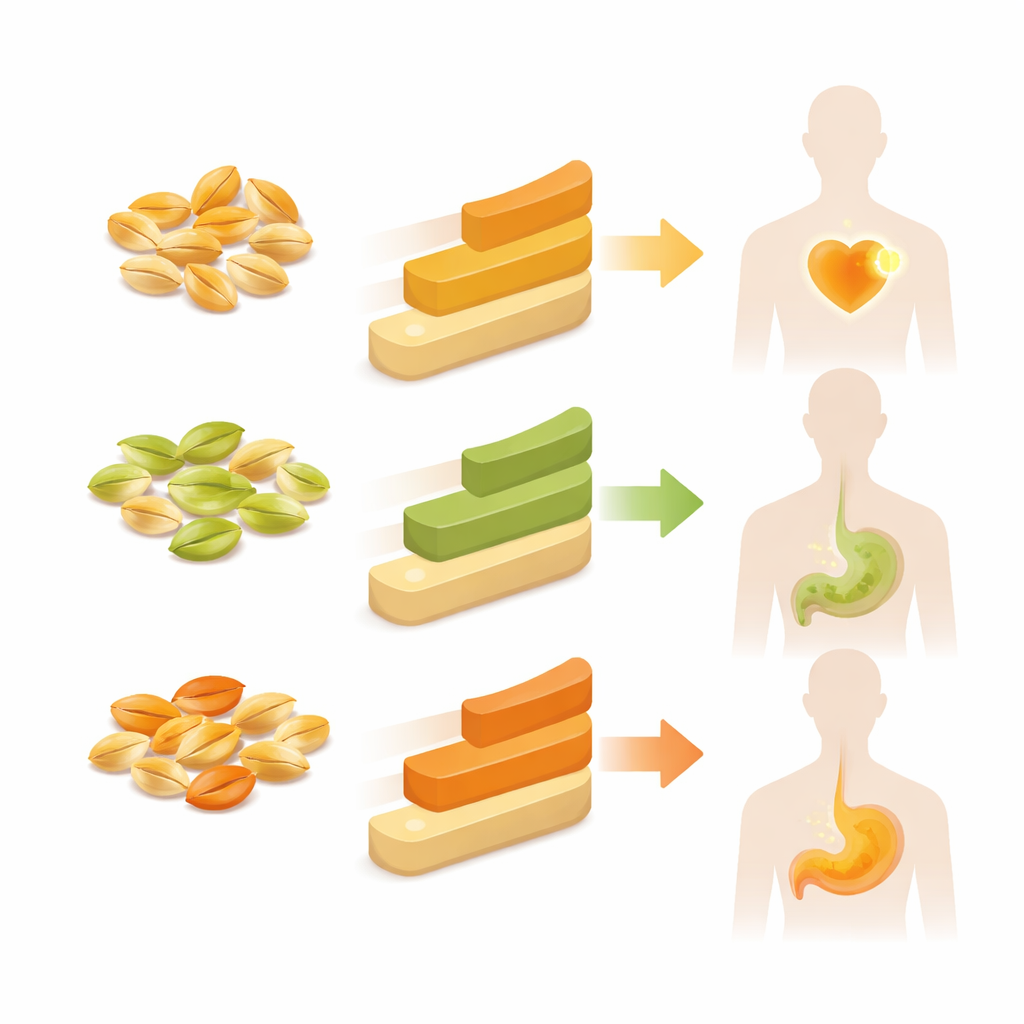
The numbers have practical consequences at the breakfast table. Health authorities recommend about 3 grams of oat beta-glucan per day to lower blood cholesterol, and a specific amount per meal to blunt sharp spikes in blood sugar. A standard 40-gram serving of many commercial oats provides only around 1 gram of beta-glucan, forcing consumers to eat several bowls daily to reach the target. In this study, some varieties approached or more than doubled that amount per serving, while others also boosted protein to levels comparable with eggs or beans. Choosing and breeding oats specifically for fibre and protein could make it far easier for people to meet recommended intakes without changing their eating habits.
Bringing smarter oats to the market
Overall, the work shows that nutritional quality in oats is not a fixed feature of the species but a flexible outcome of genetics and growing conditions. By cataloguing how 95 cultivars differ—and how those differences hold up in fields versus glasshouses—the study builds a roadmap for breeders and policymakers. Integrating nutrition into variety selection could expand the range of oat products on the market, each tailored for goals like heart health, blood sugar control, higher protein intake or specific food applications. For everyday eaters, that would mean that the choice of oat variety, not just the brand name on the box, could quietly shape the health benefits of a simple bowl of porridge.
Citation: Lampoglou, N., Rahman, A., Mullins, E. et al. Comprehensive nutritional analysis of 95 oat cultivars reveals large variability in nutritional profile: protein, starch, fat, β-glucan and fibre. npj Sci Food 10, 145 (2026). https://doi.org/10.1038/s41538-026-00800-z
Keywords: oat nutrition, beta-glucan, cereal breeding, dietary fibre, functional foods