Clear Sky Science · en
Quality evaluation, authentication, and redundancy analysis of wild and farmed silver carp based on amino acid profiles
Why this fish story matters to your dinner plate
When you buy fish, labels like “wild caught” or “farmed” can quietly shape what you think about taste, nutrition, and even price. This study looks closely at silver carp, a common freshwater fish in China, to ask a simple but important question: how different are wild and farmed fish in the building blocks of their protein, and can those differences help protect river ecosystems and guide smarter choices at the market?
Two ways of raising the same fish
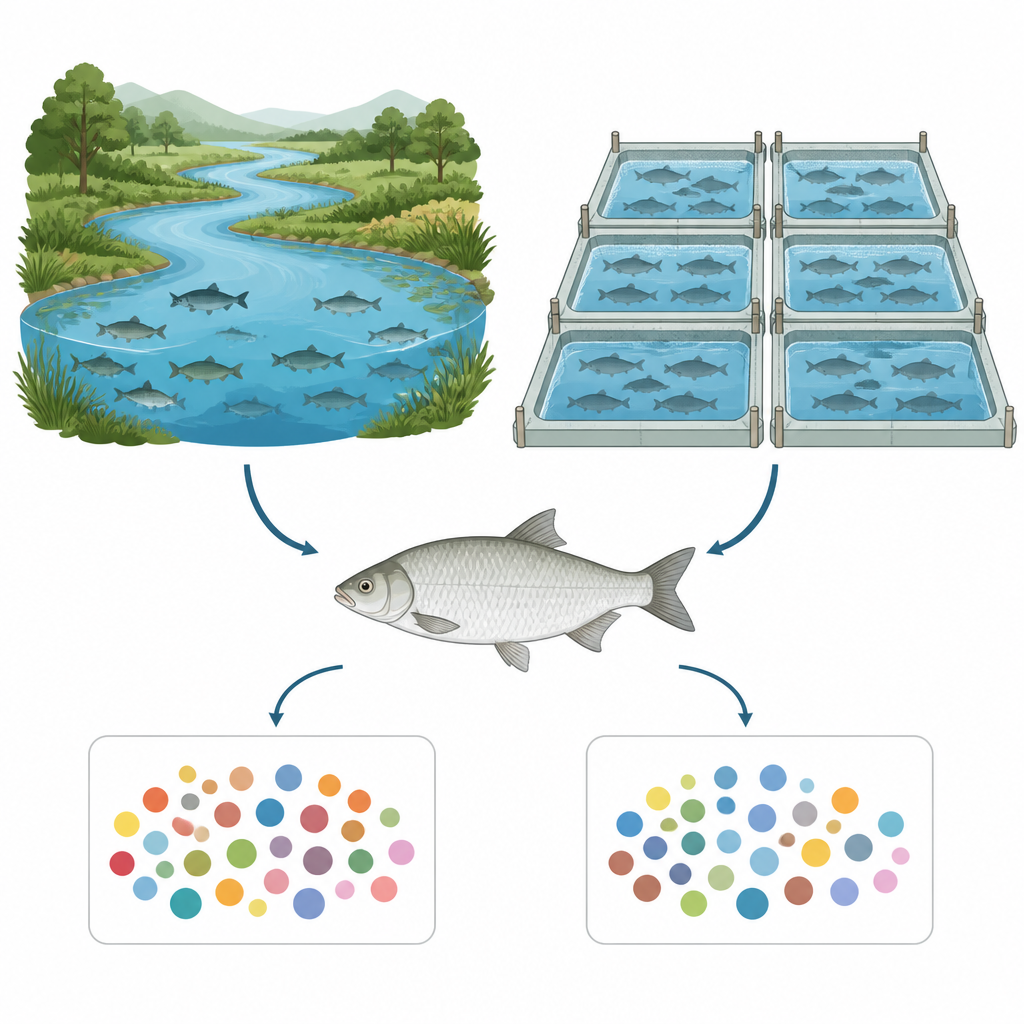
Silver carp live both in the open waters of the Yangtze River system and in controlled ponds and cages. The wild population has declined sharply because of overfishing and pollution, while farms now supply much of what people eat. To understand how life in a river versus a farm changes the fish, researchers collected mature silver carp from seven wild sites and five farming areas along the Yangtze basin. They focused on amino acids, the small units that make up protein and that also help shape flavor, growth, and stress responses in the body.
What is inside the fish muscle
The team measured 17 different amino acids from each fish’s muscle, including essential ones that must come from food and “umami” amino acids that give a savory taste. Both wild and farmed silver carp turned out to be rich in high quality protein, with levels of several essential amino acids matching or exceeding international reference foods like egg white. When they calculated an overall index of essential amino acids, farmed fish actually scored slightly higher than wild fish, suggesting that well managed aquaculture can provide protein that is at least as nutritious as that from the river.
Taste clues and a chemical fingerprint
Although total protein quality was high in both groups, the fine details of their amino acid patterns differed. Farmed silver carp tended to have more of the savory amino acids aspartic acid and glutamic acid, which may make their flesh taste more intensely meaty. Wild fish, on the other hand, had higher levels of alanine and arginine, which are linked to energy use and to a signaling molecule that helps blood flow and immune defenses. When the researchers applied statistical tools used in medical testing, they found that the relative level of arginine in muscle could tell wild and farmed silver carp apart with about 90 percent accuracy, making it a promising single “chemical fingerprint” for checking labels and tracing the source of fish products.
Water quality and regional differences
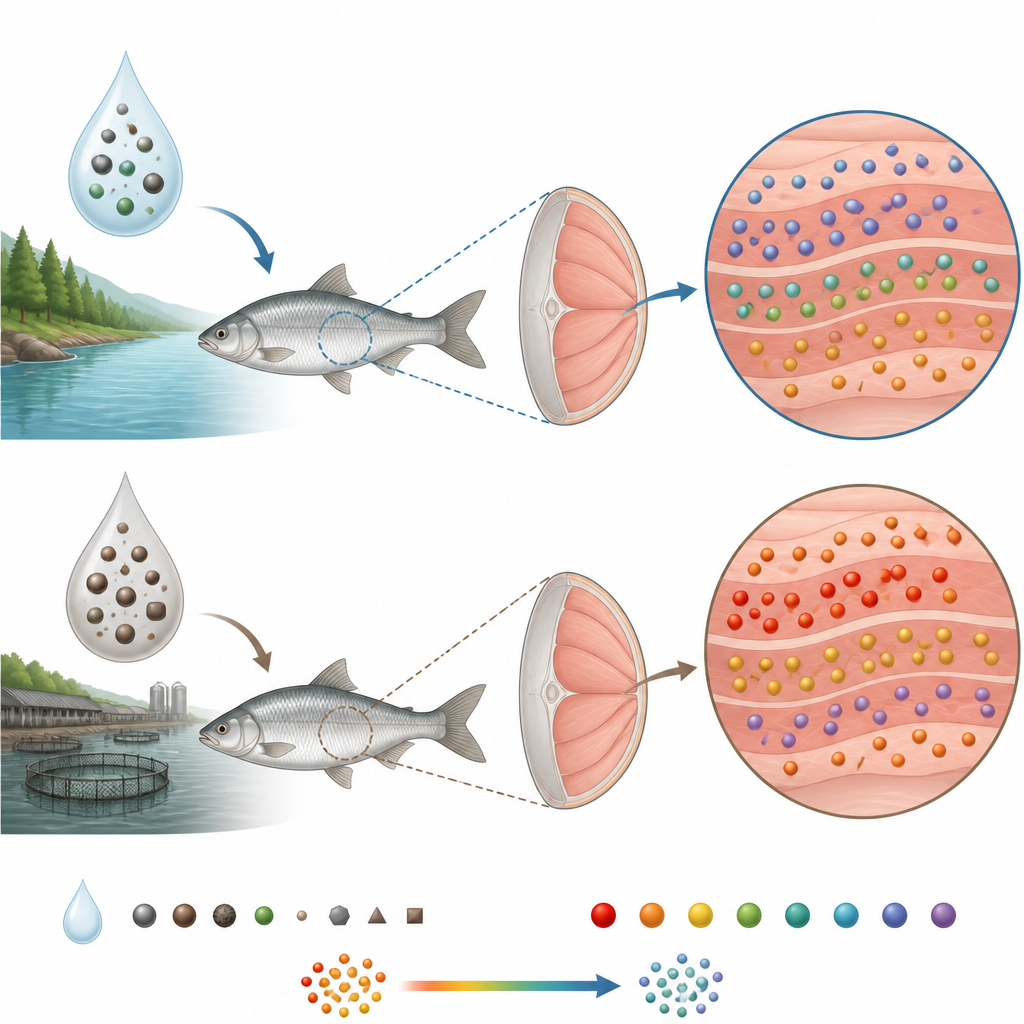
The study also connected what is inside the fish to the water they live in. By sampling lakes, river stretches, and farms with different levels of nutrients and metals, the team showed that some amino acids rise or fall with measures like copper, calcium, and ammonium nitrogen in the water. For example, histidine and tyrosine tended to be higher where copper and nutrient levels were elevated, hinting that fish adjust their internal chemistry to cope with oxidative and ammonia related stress. Even among farmed sites in the same province, small shifts in water chemistry and plankton communities were linked to measurable changes in amino acid patterns in the fish muscle.
What it means for consumers and rivers
Put simply, this work shows that both wild and farmed silver carp are strong sources of high quality protein, but they carry slightly different amino acid signatures shaped by diet and environment. Farmed fish may offer more savory taste and slightly higher overall protein quality, while wild fish show higher levels of certain amino acids tied to activity and natural stress. Identifying arginine as a standout marker means inspectors could one day use quick tests to confirm whether fish sold as wild truly came from the river, helping to enforce fishing bans that aim to restore the Yangtze’s struggling stocks. For everyday shoppers, the results suggest that responsibly farmed silver carp can be a nutritious and sustainable choice, while science based tracing tools work in the background to protect wild populations.
Citation: Zhang, L., Ye, L., Zhang, F. et al. Quality evaluation, authentication, and redundancy analysis of wild and farmed silver carp based on amino acid profiles. npj Sci Food 10, 157 (2026). https://doi.org/10.1038/s41538-026-00796-6
Keywords: silver carp, amino acids, wild vs farmed fish, fish nutrition, aquaculture traceability