Clear Sky Science · en
Gut microbiome modulation by cricket, pea, and whey protein using the SHIME in vitro simulator
Why Bugs in Your Protein Shake Matter
As the world looks for climate-friendly protein sources, crickets are moving from field to food aisle. But swapping whey or pea powder for ground-up insects raises an important question: how does this new protein affect the trillions of microbes in our gut that help keep us healthy? This study used a sophisticated laboratory model of the human intestine to compare how cricket, pea, and whey proteins shape a single person’s gut microbiome and its chemical outputs, offering an early look at whether insect protein is friend or foe to our inner ecosystem. 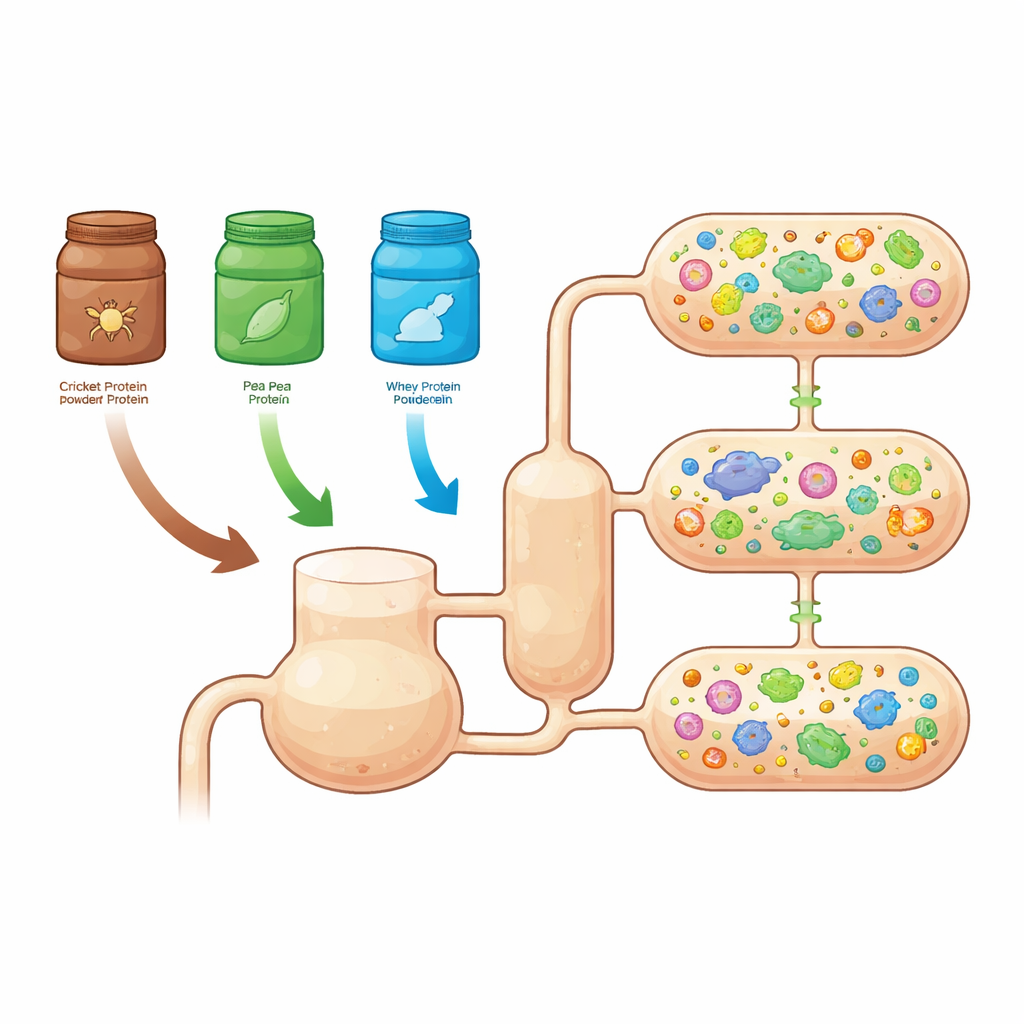
A Safe New Protein on the Block
The researchers focused on three highly purified powders: whey (from milk), pea (a common plant protein), and Acheta domesticus, the house cricket. All were “pre-digested” using a standardized protocol that mimics the stomach and small intestine, then fed daily into a device called SHIME, which recreates different regions of the human colon and their resident microbes. This setup allowed the team to watch how the same person’s stool-derived microbiome responded over time to each protein source, separate from the complexities of whole foods and varying human habits.
How Different Proteins Feed Our Microbes
Cricket, pea, and whey proteins released distinct mixtures of amino acids after digestion. Cricket powder started out with the highest level of free amino acids, many of which are quickly available to the body. After digestion, cricket remained rich in several building blocks tied to antioxidant activity and to the formation of key gut chemicals called short-chain fatty acids. Pea protein, meanwhile, released high levels of amino acids that can be turned into a wide range of bioactive compounds, including some that act like signaling molecules in the body. Whey contained lower overall amounts of free amino acids but still contributed to the pool of nutrients reaching the colon microbes.
Microbial Winners and Losers
Using DNA-based profiles, the team tracked which microbial groups thrived on each protein. Cricket protein stood out for boosting several genera often viewed as “good neighbors” in the gut, including Bifidobacterium and various lactic acid bacteria, along with Blautia and Lachnospira, which are linked to beneficial fermentation products. Pea protein favored helpful microbes such as Faecalibacterium and equol-producing Slackia, but also encouraged genera like Enterococcus, Sutterella, Fusobacterium, and Alistipes, some of which have been tied to inflammation or metabolic problems in other studies. Whey protein supported butyrate-producing Butyricimonas and Lactobacillus but was also linked with Collinsella and Fusobacterium, genera with more mixed reputations for health.
What the Microbes Produce for Us
Beyond who lives in the gut, what they produce may matter even more. Cricket protein led to higher levels of several short- and medium-chain fatty acids, especially acetate and other medium-length fats such as hexanoic and lauric acids. These compounds have been associated with better gut barrier function, improved metabolism, and the ability to keep harmful microbes in check. Metagenomic analysis indicated that cricket-fed communities carried more genes for making B vitamins and for transporting certain amino acids, as well as genes linked to antimicrobial peptides that can help friendly bacteria outcompete rivals. Pea protein, in contrast, was marked by genes for breaking down the amino acid lysine and by higher levels of microbial by-products such as phenol and indole, which can stress gut tissues at high concentrations. Whey protein produced its own distinct chemical signature, including some fatty acids and sulfur-containing compounds, with a more modest overall impact on vitamin-related genes. 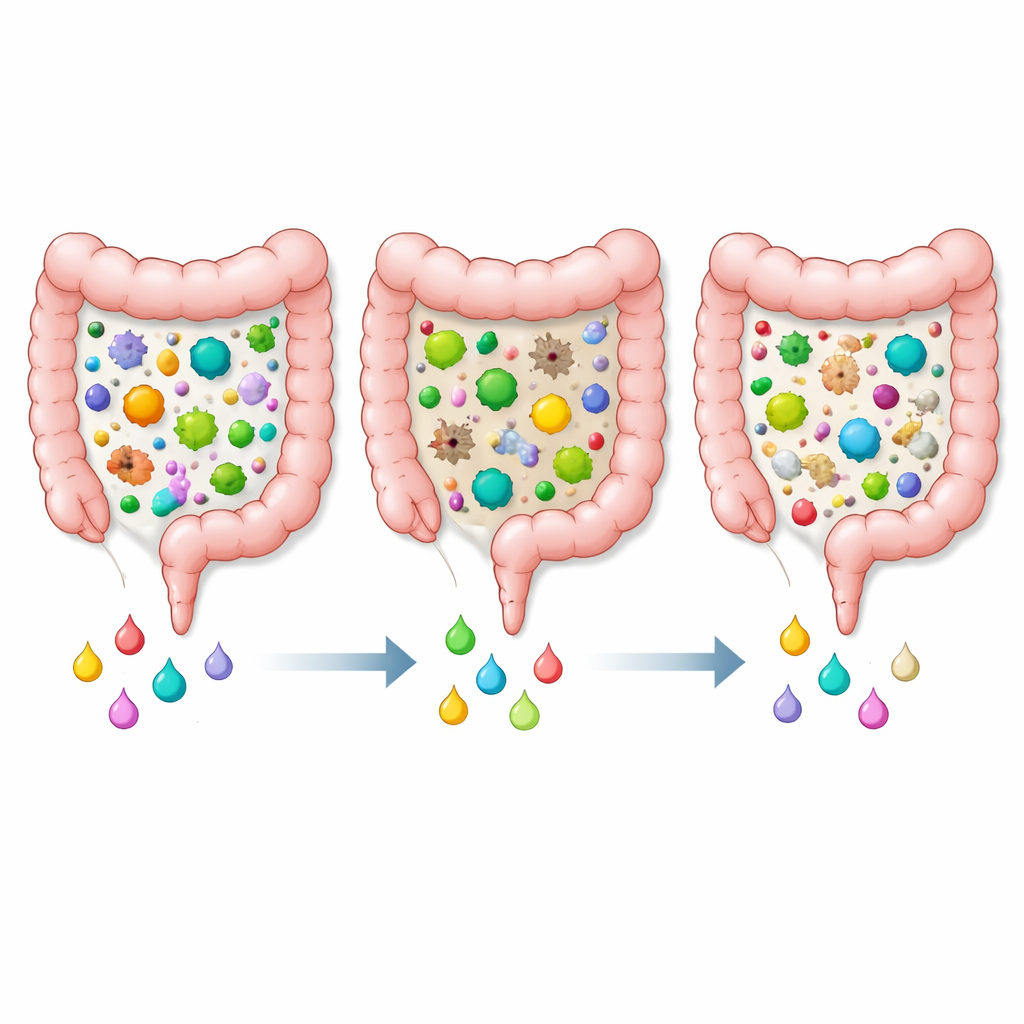
What This Means for Your Plate
In this controlled lab model using one person’s gut microbes, cricket protein did not show any obvious harms compared with pea or whey, and in several respects appeared especially favorable: it encouraged potentially beneficial bacteria, supported the production of health-promoting fatty acids, and stimulated genes involved in vitamin formation and natural microbial defenses. Pea and whey proteins also offered positives, but each carried its own mix of less desirable microbes or metabolites. Because this work was done outside the body and in a single-donor system, it cannot yet predict how everyone will respond. Still, the findings suggest that, from the viewpoint of gut microbes, cricket protein is a promising and sustainable addition to the human protein toolbox—one that warrants further testing in real-world diets and larger human studies.
Citation: Franciosa, I., Castelnuovo, G., Cantele, C. et al. Gut microbiome modulation by cricket, pea, and whey protein using the SHIME in vitro simulator. npj Sci Food 10, 131 (2026). https://doi.org/10.1038/s41538-026-00785-9
Keywords: cricket protein, gut microbiome, insect-based foods, short-chain fatty acids, alternative proteins