Clear Sky Science · en
Gallic acid antagonizes deoxynivalenol toxicity by inhibiting DON-induced ferroptosis
Why this matters for your dinner table
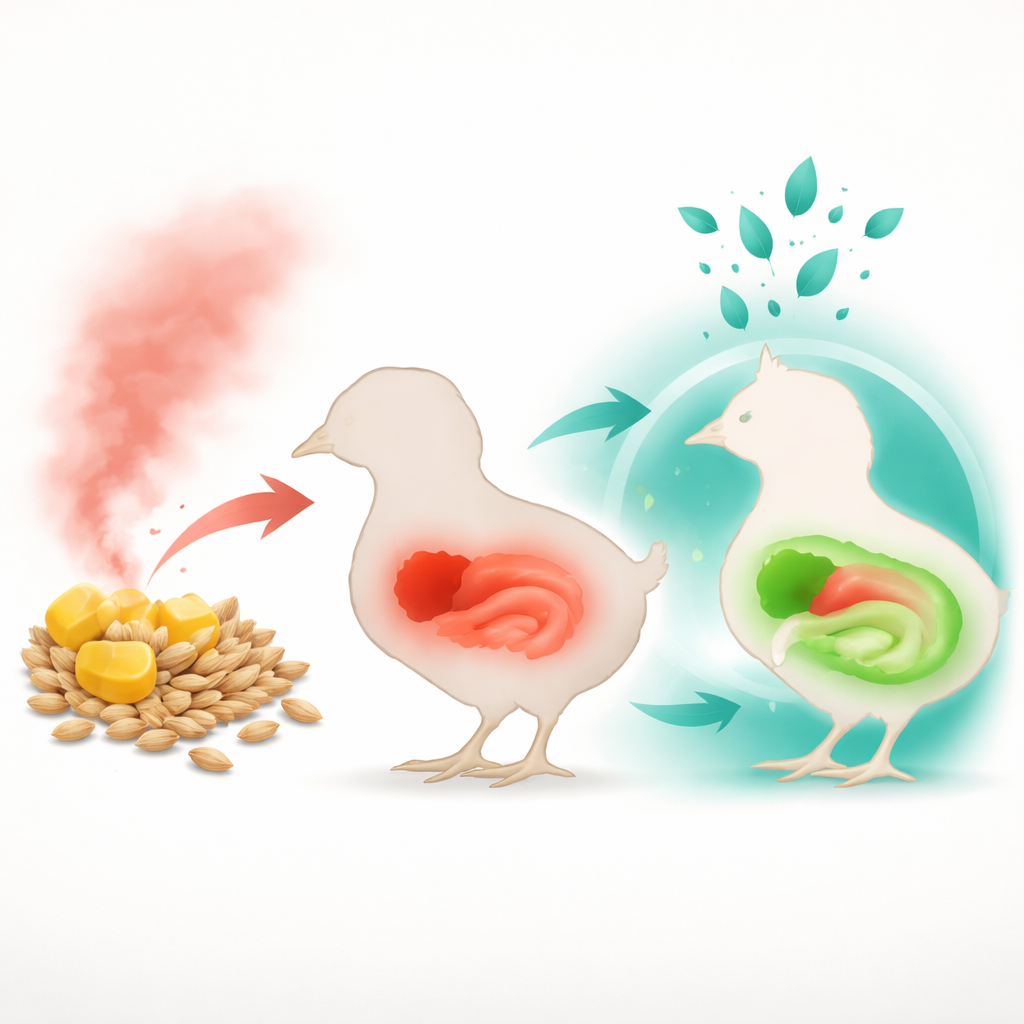
Many of the grains that feed farm animals, and ultimately help fill our plates, can harbor invisible fungal toxins. One of the most common, deoxynivalenol (often called DON), quietly damages the guts and livers of animals, especially young poultry, and is becoming more common with shifting climates. This study explores whether a natural plant compound, gallic acid—found in tea, grapes, and other fruits—can shield cells and chicks from DON’s harm by calming a particular kind of iron-driven cell damage.
A hidden threat in everyday grain
DON is produced by fungi that infect wheat, corn, and other cereals in the field and can keep growing during storage. Even after standard cleaning and processing, the toxin is hard to remove completely. In chickens and other animals with single-chambered stomachs, DON can trigger vomiting, diarrhea, poor growth, and long-term organ injury, particularly in the liver and intestine. Because chick starter feeds are heavily based on corn, young birds are especially vulnerable. The authors argue that we therefore need not only ways to remove DON from feed, but also safe, natural protectants that help animals cope with the toxin when exposure is unavoidable.
A plant compound with protective promise
Gallic acid is a small, naturally occurring molecule that plants use as part of their own defense system. It is known for its strong antioxidant and anti-inflammatory powers, and for turning on a cellular “defense switch” called Nrf2 that controls many protective genes. The researchers compared gallic acid with other plant-derived polyphenols and found that, at useful doses, gallic acid protected chicken embryo cells from DON without being toxic itself. In dishes of chicken cells, DON at a low dose cut cell survival nearly in half and ramped up markers of oxidative stress—chemical wear and tear caused by reactive oxygen species. Adding gallic acid restored most of the lost cell viability and brought antioxidant defenses such as glutathione and key enzymes back toward normal.
From dishes to real chicks
Next, the team tested whether these benefits held up in live birds. They fed young layer chicks a diet containing DON-contaminated corn at levels similar to those found in the field. Within a week, the chicks showed clear signs of liver injury: disorganized tissue structure, local cell death, and inflammation, along with sharp rises in standard blood markers of liver damage. Their intestinal villi—the finger-like projections that absorb nutrients—became shorter, while the underlying pockets deepened, a shift linked to poorer digestion and barrier function. When the chicks also received daily gallic acid by mouth, their liver architecture looked far more normal, blood markers fell, and the distorted villus shapes in the small intestine largely recovered. Measures of oxidative stress in liver tissue likewise shifted back toward a healthier balance.
Zooming in on iron-driven cell death
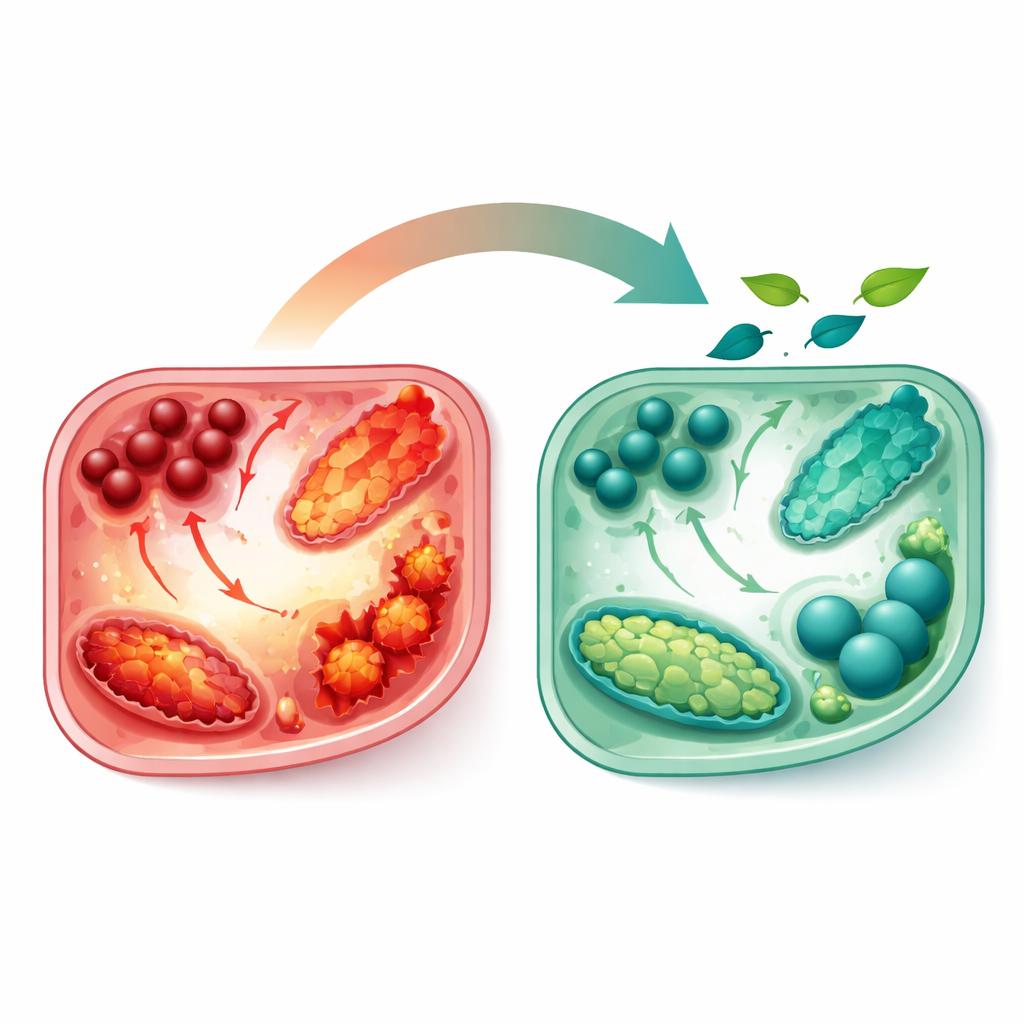
To understand how gallic acid works, the authors examined gene activity and cellular chemistry in detail. They focused on ferroptosis, a form of cell death driven by iron and the runaway oxidation of fats in cell membranes. DON pushed cells toward ferroptosis by upsetting iron handling, weakening the main lipid-protecting enzyme GPX4 and its support system, and boosting reactive oxygen production. Gene readouts showed that DON lowered the levels of several protective players that store or export iron and detoxify oxidants, while raising those that bring iron in. Gallic acid reversed this pattern: it reactivated Nrf2, boosted the expression of antioxidant and iron-buffering genes, reduced iron overload, and cut down lipid peroxidation products. When the researchers added a known ferroptosis blocker, it gave a level of protection similar to gallic acid, and a ferroptosis trigger could strip away much of gallic acid’s benefit—strong evidence that controlling this death pathway is central to the rescue effect.
What this means for food and animal health
In plain terms, the study shows that a natural plant molecule can partly disarm a common grain toxin by stopping a particular kind of rust-like, iron-fueled cell demise in the liver and intestine. Gallic acid does this largely by flipping on the Nrf2 defense program, which in turn strengthens antioxidant systems and reins in dangerous iron and fat oxidation. While one compound alone cannot solve the complex problem of DON, these results provide a solid mechanistic foundation for using gallic acid as a feed or veterinary supplement, and for designing combinations of natural agents that together shield animals—and indirectly, our food supply—from the growing challenge of mycotoxin contamination.
Citation: Wang, H., Xu, J., Feng, J. et al. Gallic acid antagonizes deoxynivalenol toxicity by inhibiting DON-induced ferroptosis. npj Sci Food 10, 127 (2026). https://doi.org/10.1038/s41538-026-00782-y
Keywords: deoxynivalenol, gallic acid, ferroptosis, poultry health, mycotoxin detoxification