Clear Sky Science · en
One-carbon-derived bioactive peptides improve reproductive performance via regulating placental nutrient transport and offspring glycolipid metabolism
Feeding Mothers to Help Their Young Thrive
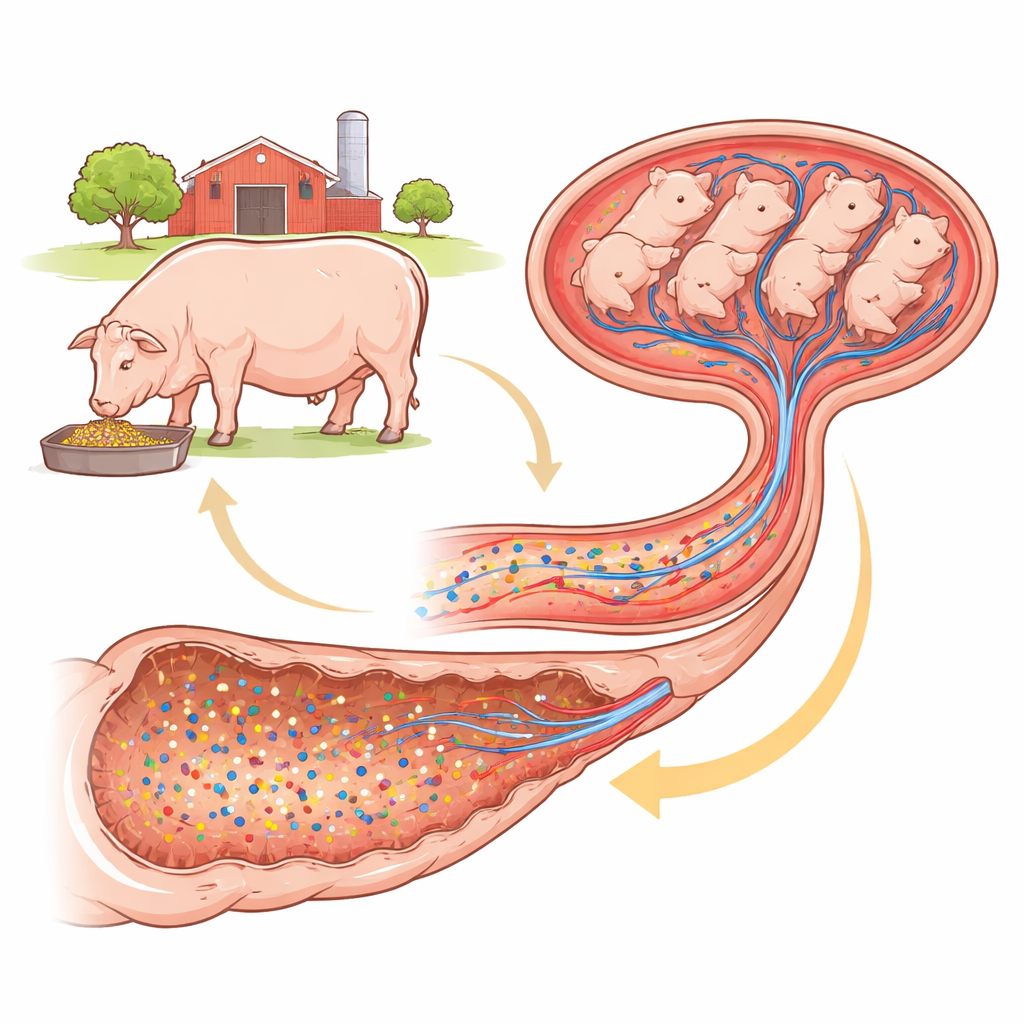
Expectant mothers, whether human or animal, share a common challenge: how to nourish a developing baby so it can grow strong and healthy. This study explores an unusual ally in that effort—a type of yeast that can turn simple industrial by‑products into tiny protein fragments called peptides. When added to the diets of pregnant and nursing pigs, these yeast‑derived peptides improved the growth and metabolic health of newborn piglets, hinting at a new class of sustainable, food‑based supplements that could one day support pregnancy and early life nutrition.
Turning Industrial Leftovers into Helpful Nutrients
The researchers started with Pichia pastoris, a yeast known for its ability to grow on one‑carbon sources such as methanol, which can be produced from industrial waste streams. By carefully tuning growth conditions—especially methanol levels and temperature—and using a mutagenesis method to select a high‑performing strain, they built a production system that yielded cells packed with protein. These proteins were then broken down by enzymes into a powder rich in short chains of amino acids, or bioactive peptides. Analysis showed more than half the yeast’s dry mass was protein and nearly one‑third was peptides, with many very small, stable fragments that are well suited for absorption in the gut.
Helping the Gut Take Up Peptides More Efficiently
To see how these yeast peptides behave in the body, the team first turned to a laboratory model of pig intestine cells. They found that exposure to the peptide mixture markedly boosted the levels of PEPT1, a key protein that ferries small peptides from the gut into the bloodstream. Computer‑based docking simulations suggested that several of the identified dipeptides, especially one composed of leucine and proline, fit snugly into PEPT1’s active site, forming stabilizing interactions. This implies that the peptides not only serve as nutrients but may also “coach” the intestine to absorb them more efficiently, reinforcing their own delivery into the body.
Better Pregnancies and Stronger Piglets
The core of the study tested what happens when these peptides are added to the diets of pregnant sows. Starting in late gestation and continuing through nursing, one group of animals received a small amount of the yeast peptide powder mixed into their feed, while another group did not. Sows fed the peptides had fewer piglets suffering from intrauterine growth restriction, a condition in which fetuses fail to reach their full growth potential. Their litters also showed higher average weaning weights and slightly faster daily weight gain. Blood‑based metabolic profiling indicated that the supplement reshaped the mothers’ chemistry, especially lipid‑related pathways, lowering blood triglycerides and shifting patterns of fatty molecules in ways generally considered favorable for pregnancy health.
Tuning the Placenta and Baby’s Metabolism
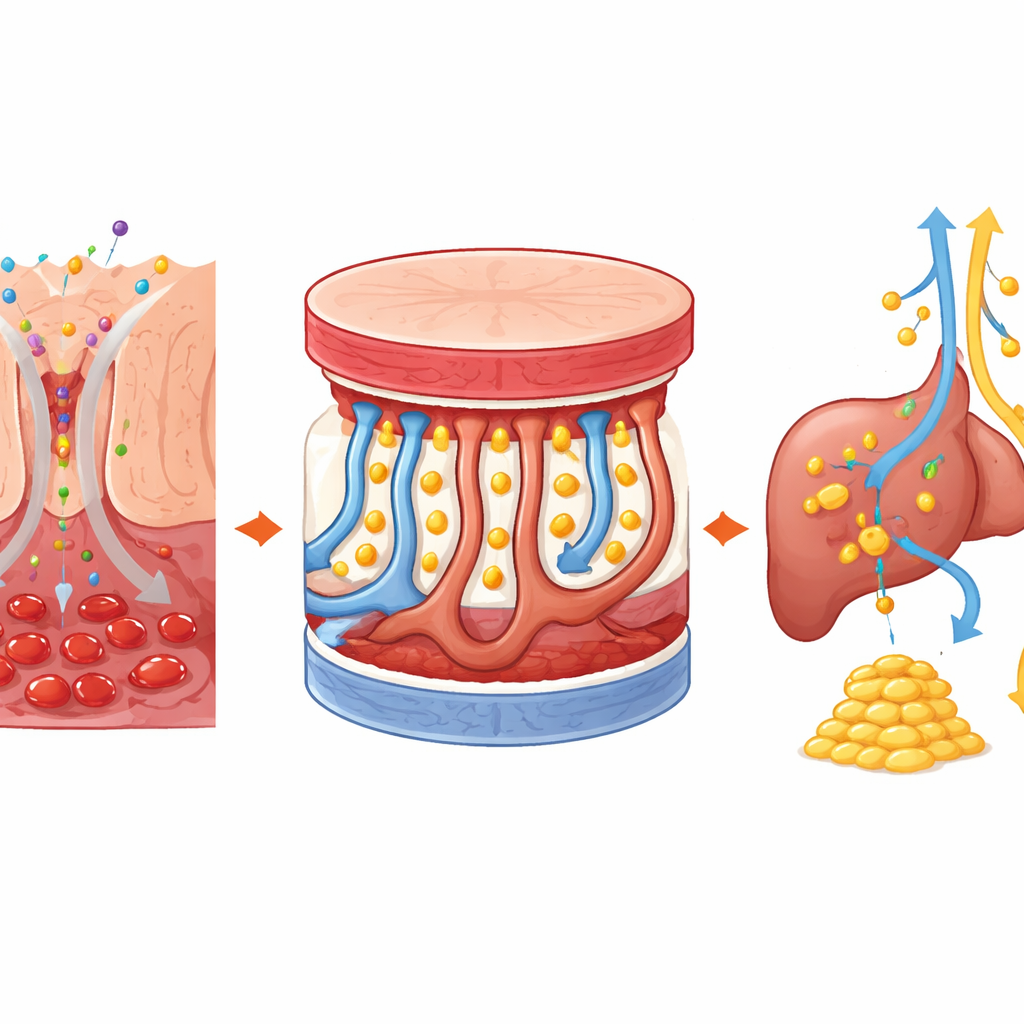
Looking more closely at the placenta—the crucial bridge between mother and fetus—the researchers found that peptide‑fed sows had altered activity in dozens of genes linked to cell growth, survival, and nutrient handling. Pathways involved in well‑known growth‑control signals were enriched, and key transporters for sugars, fats, and amino acids changed their expression in ways consistent with more balanced nutrient flow to the fetus. In newborn piglets, whose mothers had received the supplement, the liver shifted its energy strategy: genes and enzymes that support producing glucose were increased, while those driving glucose breakdown and certain steps of the energy cycle were dampened. At the same time, lipid metabolism in the liver tilted away from simple fat accumulation toward a more nuanced pattern of fat breakdown and rebuilding, including higher levels of some beneficial fatty acids important for brain development.
What This Could Mean for Future Nutrition
Taken together, the findings suggest that yeast‑derived bioactive peptides, produced sustainably from simple carbon sources, can act as more than just fuel. By enhancing peptide uptake in the intestine, fine‑tuning placental transport, and nudging the newborn liver toward a healthier balance of sugar and fat use, these tiny molecules reduced growth‑restricted births and boosted early weight gain in piglets. While much work remains before such ingredients could be used in human diets, the study points to a promising strategy: designing smart, peptide‑based supplements that support mothers during late pregnancy and lactation, with lasting benefits for their offspring’s growth and metabolism.
Citation: Gao, Lm., Yang, Xd., Liu, Sf. et al. One-carbon-derived bioactive peptides improve reproductive performance via regulating placental nutrient transport and offspring glycolipid metabolism. npj Sci Food 10, 120 (2026). https://doi.org/10.1038/s41538-026-00769-9
Keywords: bioactive peptides, maternal nutrition, placental function, offspring metabolism, Pichia pastoris