Clear Sky Science · en
Dose reduction and discontinuation of antipsychotics in psychotic disorders: a systematic review of qualitative studies and meta-synthesis
Why This Matters for Everyday Life
Many people living with schizophrenia or other psychotic disorders take antipsychotic medications for years. These drugs can be life-changing, helping to keep frightening symptoms at bay, but they can also bring uncomfortable side effects. This article explores what it actually feels like—for patients, families, and clinicians—when the idea of lowering or stopping these medicines comes up, and why the decision is far more complicated than it may look from the outside. 
Living With the Trade-Offs
The review brings together 13 qualitative studies that listen closely to people’s stories instead of just counting relapses or side effects. Many patients described antipsychotic treatment as a double-edged sword. On one side, staying on medication could mean being able to work, study, maintain relationships, and feel more like their “old self.” On the other, long-term treatment often came with weight gain, fatigue, emotional numbness, and sexual problems that eroded self-esteem and quality of life. Some patients feared that the medicine was changing their body or even their brain over time, making the wish to reduce or stop understandable even when they still valued its benefits.
Hopes, Fears, and Difficult Choices
For many patients, the idea of lowering the dose was tied to deeper hopes about identity and independence—wanting to be “normal,” move beyond the role of a psychiatric patient, or test whether recovery could hold without as much medication. At the same time, the fear of relapse loomed large. People who had tried to cut back and then saw their symptoms return often became wary of any further changes. Some reduced or stopped medication on their own, without clinical guidance, driven by distressing side effects, lack of clear information, or feeling unheard by professionals. These unsupervised attempts were more likely to end badly, reinforcing both personal and professional fears around tapering.
Families Trying to Keep Things Stable
Caregivers—often parents or partners—tended to be even more cautious about dose reduction than patients. Many had lived through severe episodes and were terrified of “losing” their loved one again. While some also recognized how heavily side effects could weigh on daily life, they frequently prioritized stability over change. The emotional burden of caregiving, and the memory of past crises, made them reluctant to “rock the boat” once things were relatively calm. Caregivers also reported sometimes feeling left out of conversations about tapering, even though they were the ones who often helped monitor warning signs and support medication routines at home.
Clinicians Caught Between Evidence and Reality
Mental health professionals described a different set of pressures. They noted that research clearly shows higher relapse rates when antipsychotics are reduced too far or stopped, yet available guidance on how to taper safely in real-world settings is limited. Clinicians worried about not having enough time, staff, or follow-up options to monitor patients closely during dose changes. Some, influenced by past experiences of serious relapse, preferred to avoid tapering altogether. Others tried to find a “minimal effective dose” that balanced benefits and side effects, working collaboratively with patients to make small, cautious adjustments. A recurring concern was personal responsibility: if a relapse followed a shared decision to reduce, clinicians feared they might be blamed by families, services, or official investigations. 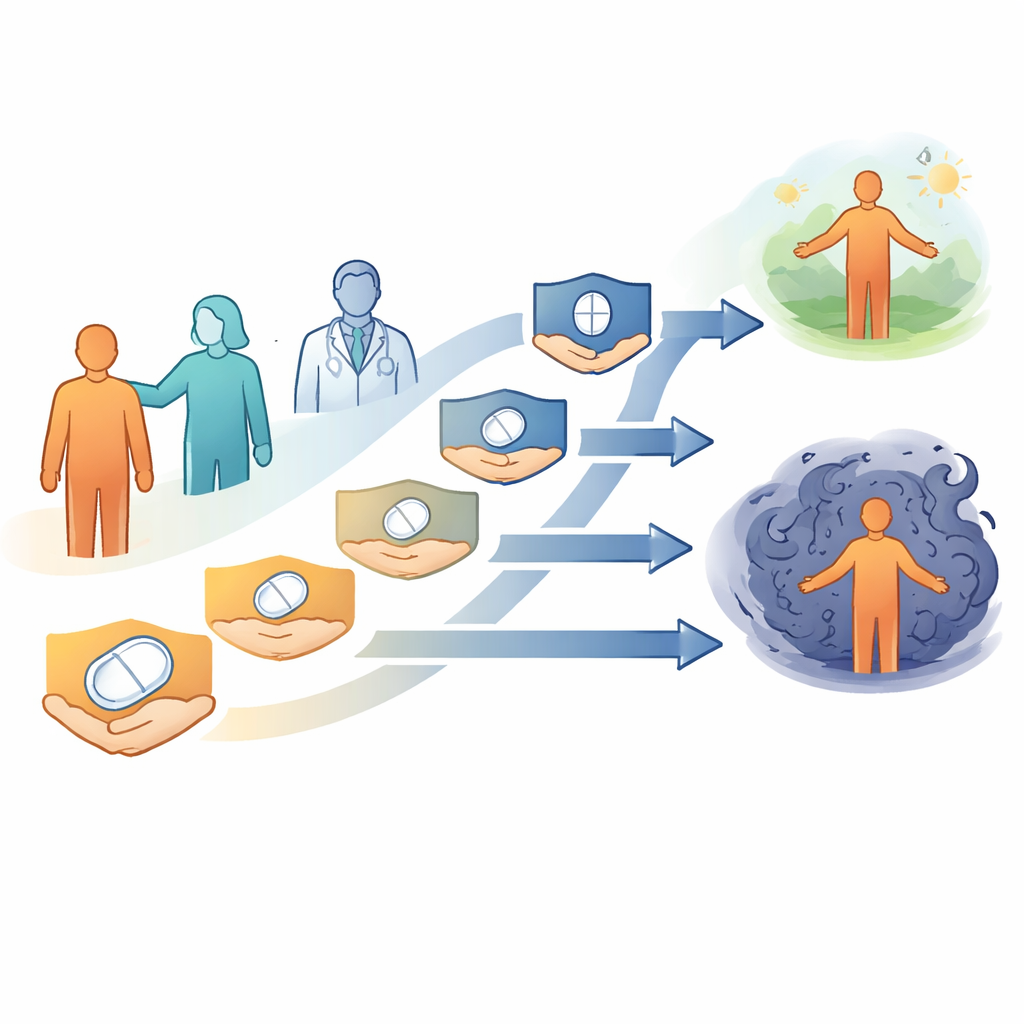
What This Means for Future Care
Overall, the article concludes that reducing or stopping antipsychotic medication is not a simple “more is bad, less is good” story. Instead, it is a highly personal and emotionally loaded process where patients, families, and clinicians weigh different risks and priorities. While many people understandably want relief from side effects, the genuine danger of relapse cannot be ignored. The authors argue that decisions about tapering should be made together, in a “triad” that includes patient, caregiver, and clinician, supported by clear, individualized plans and long-term monitoring. Rather than promoting dose reduction for everyone, the review calls for better-tested tapering strategies and stronger support systems, so that when people do decide to try a lower dose, they can do so as safely and thoughtfully as possible.
Citation: Aprile, S.F., Rodolico, A., Munafò, A. et al. Dose reduction and discontinuation of antipsychotics in psychotic disorders: a systematic review of qualitative studies and meta-synthesis. Schizophr 12, 37 (2026). https://doi.org/10.1038/s41537-026-00747-w
Keywords: antipsychotic tapering, psychotic disorders, medication side effects, shared decision-making, caregiver perspectives