Clear Sky Science · en
Clinical factors associated with severely reduced health status in patients with COPD and comorbid depression/anxiety: The Swedish PRAXIS study
Why Mind and Breath Belong Together
People living with chronic obstructive pulmonary disease (COPD) often struggle to catch their breath. Many also live with depression or anxiety, which can make everyday life even harder. This study from Sweden looks closely at how these mood problems relate to how sick people with COPD feel in their daily lives, and which simple, real world factors tip the balance toward especially poor health.
Looking at Real Lives Across Sweden
Researchers drew on a long running project that follows people with lung disease treated in ordinary clinics and health centers across central Sweden. More than two thousand adults with a doctor’s diagnosis of COPD were invited to answer a detailed questionnaire about their symptoms, flare ups, medicines, physical activity, smoking, and other illnesses. They also filled in two short forms that capture day to day health: how bad their cough and breathlessness feel, how active they can be, how they sleep, and how they feel mentally. These tools gave each person a score that reflects how strongly COPD affects their life.
How Common Very Poor Health Really Is
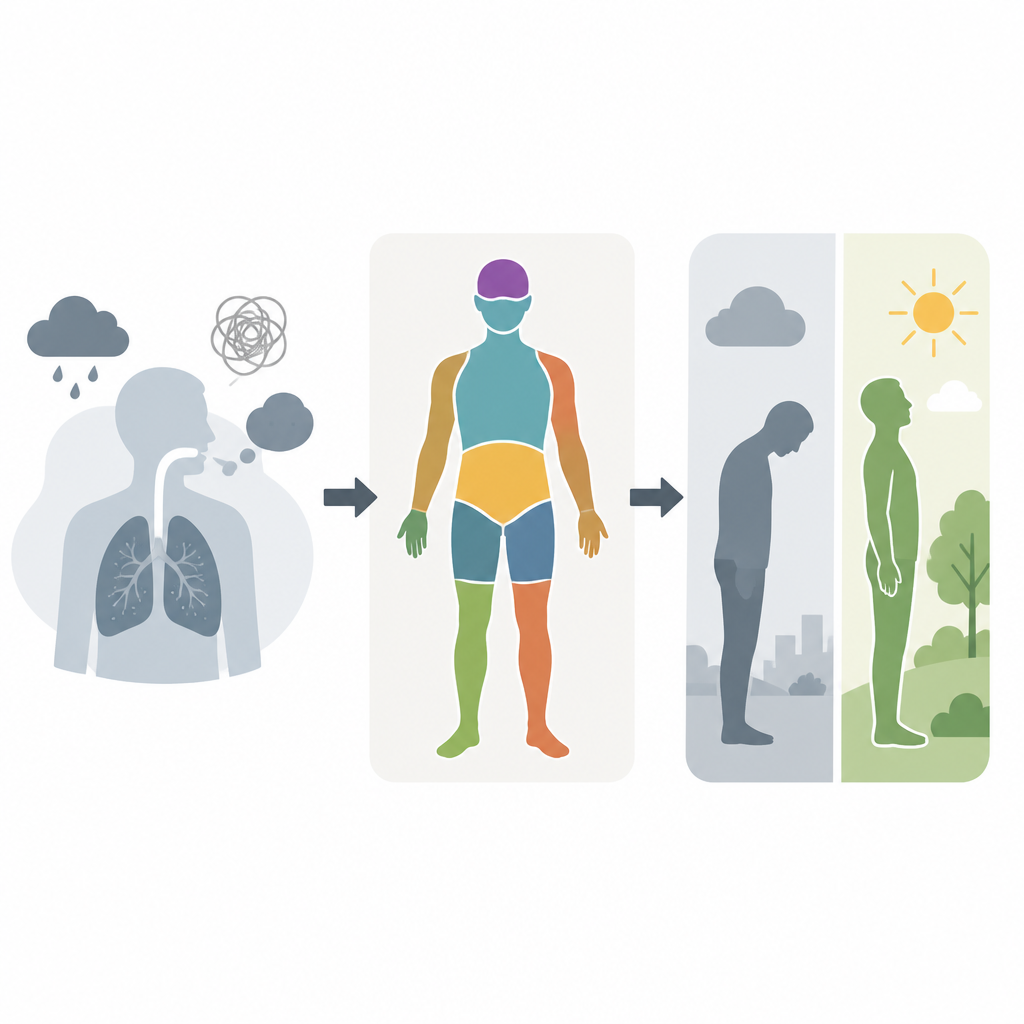
Nearly one in four participants said they had current or past depression or anxiety. Compared with those without mood problems, this group scored clearly worse on both health questionnaires, even after taking age, sex, smoking, schooling, and lung function into account. The differences were large enough to be meaningful for patients. About half of those with depression or anxiety fell into a category labelled as severely reduced health status, meaning that COPD strongly limited their daily life and wellbeing. This pattern showed up on both measurement tools, and was especially marked in questions linked to mental state.
Everyday Triggers That Make Things Worse
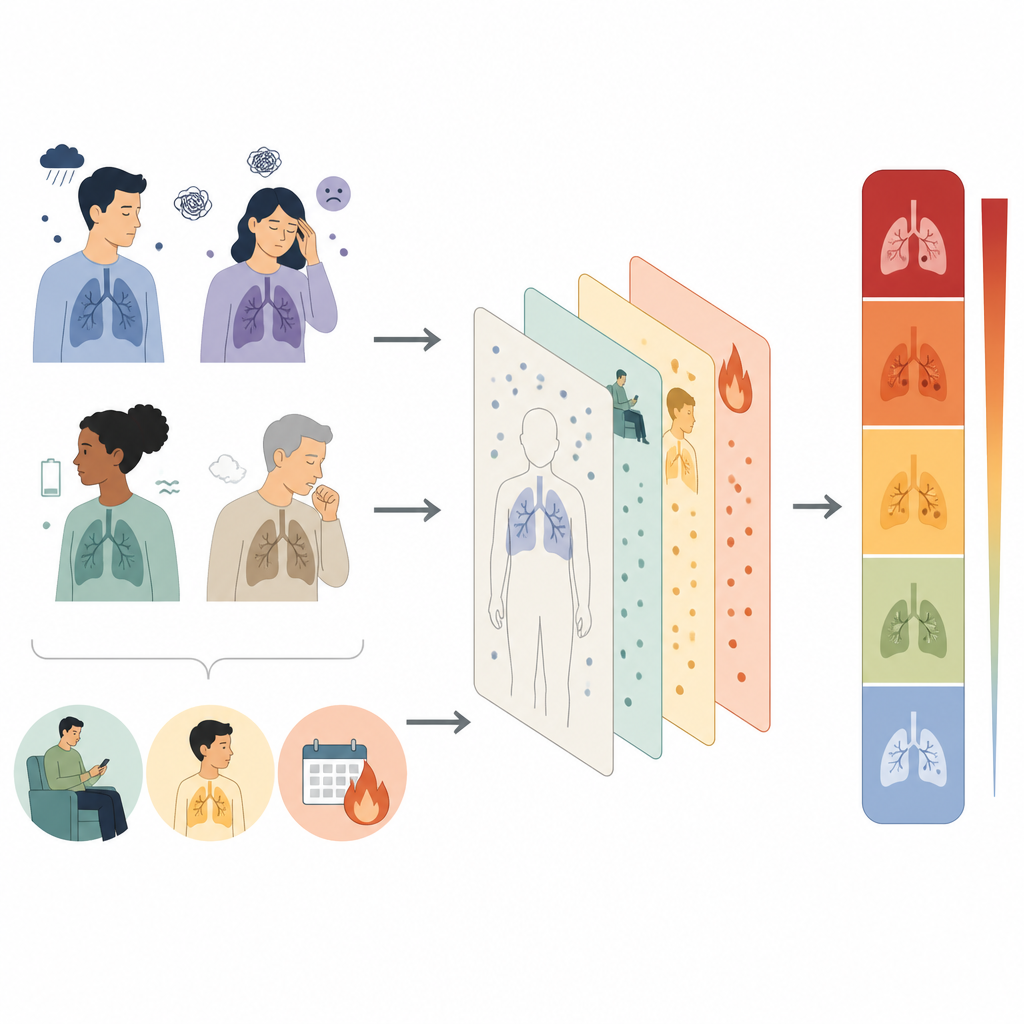
The team then looked only at people with both COPD and depression or anxiety to see which traits were linked with very poor health scores. Several stood out. People whose breathing problems had started before age 60 were more likely to have severely reduced health. Frequent flare ups in the previous six months also raised the odds, as did reporting low mood or worry most of the time during the past three months. Being mostly physically inactive was another warning sign, strongly tied to worse scores on one of the health tools. Those with severely reduced health also tended to use quick relief inhalers more often and were more likely to receive intensive inhaler combinations, suggesting they felt more breathless and unstable.
Why These Links Matter in the Clinic
These findings fit with other research showing that mood problems and COPD feed into each other. A flare up can reduce activity levels and confidence, while low mood and anxiety can increase the sense of breathlessness and make people more likely to avoid movement. Over time this can trap patients in a downward spiral of worsening symptoms and shrinking daily life. By highlighting the role of frequent flare ups, persistent depressive feelings, early symptom onset, and inactivity, the study points to concrete areas where health professionals can intervene, such as helping patients stay active and treating mood symptoms alongside lung care.
What This Means for People With COPD
For people with COPD and depression or anxiety, this study shows that nearly half are living with very poor day to day health, and that this is closely tied to mood, flare ups, and how active they are. While COPD itself cannot be cured, these linked problems are treatable and, in some cases, preventable. Paying attention to early breathing problems, keeping flare ups in check, supporting regular physical activity, and identifying and treating depression or anxiety may help protect overall health and quality of life for this vulnerable group.
Citation: Öfverholm, T., Hasselgren, M., Lisspers, K. et al. Clinical factors associated with severely reduced health status in patients with COPD and comorbid depression/anxiety: The Swedish PRAXIS study. npj Prim. Care Respir. Med. 36, 29 (2026). https://doi.org/10.1038/s41533-026-00522-5
Keywords: COPD, depression, anxiety, health status, physical inactivity