Clear Sky Science · en
Loss of METTL14 in dopaminergic neurons disrupts ER homeostasis via m6A-dependent regulation of Atp2a3 mRNA: Implications for Parkinson’s Disease
Why this brain study matters
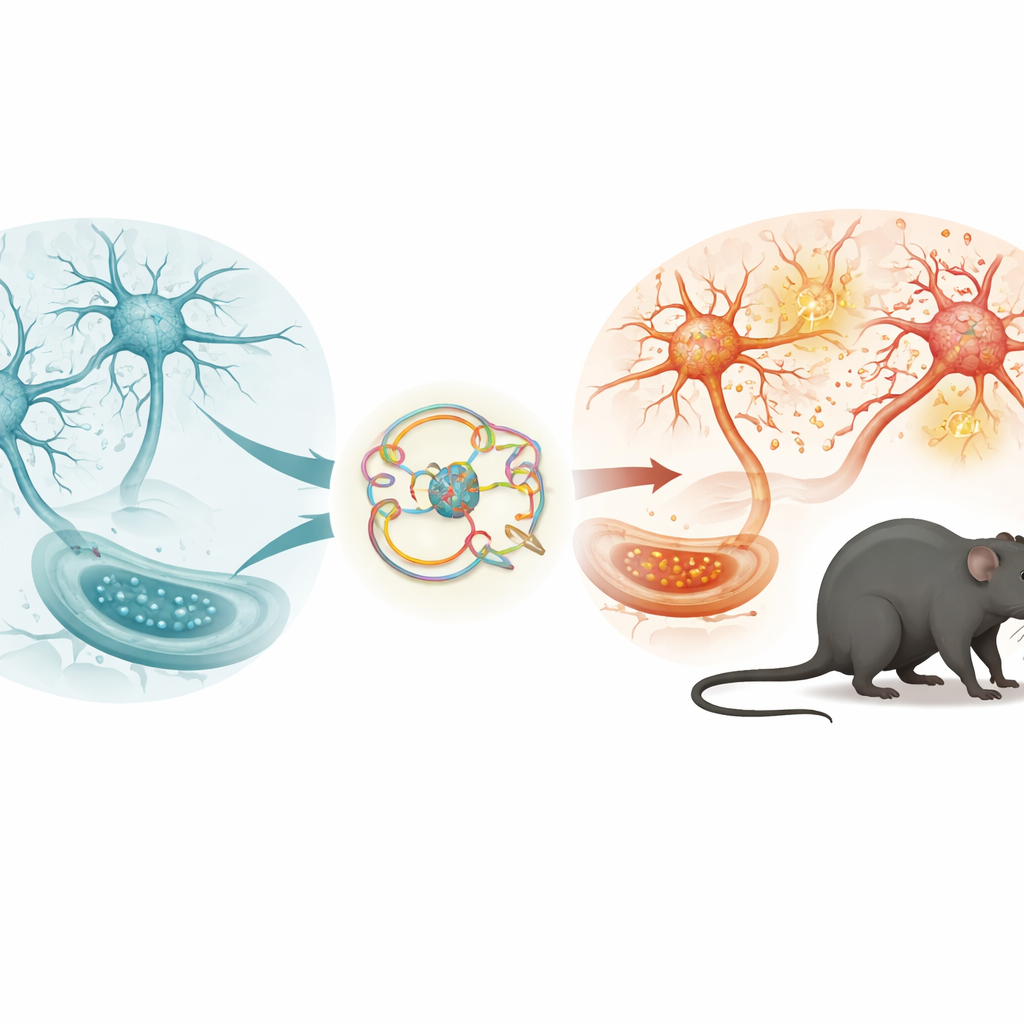
Parkinson’s disease is best known for the tremors and stiffness it causes, but at its core it is a disease of dying brain cells. The neurons that make dopamine, a chemical crucial for smooth movement and motivation, slowly wither away. This study asks a surprisingly modern question: could tiny chemical changes on RNA—the messages that tell cells which proteins to make—be one of the hidden triggers of this cell death? By tracing this question from genes to mouse behavior, the researchers uncover a new chain of events that links RNA chemistry to disturbed cell balance and, ultimately, Parkinson’s‑like problems.
A fragile group of brain cells
Dopamine‑producing neurons in a midbrain region called the substantia nigra are especially vulnerable to stress. They sit at the center of circuits that control voluntary movement and also help regulate mood and motivation. These neurons must constantly manage high levels of electrical activity, chemical signaling, and reactive by‑products such as oxidants. Earlier work showed that an RNA‑modifying enzyme called METTL14, which places a small “m6A” tag on messenger RNA, is important for the survival of these cells. In animal and cell models of Parkinson’s, overall m6A marks and METTL14 levels were already known to drop, but exactly how this change kills dopamine neurons had not been pinned down.
Engineering mice to remove a single control switch
To get a clear answer, the team created mice in which METTL14 was deleted only in dopamine neurons, leaving other cells intact. These animals grew normally at first, but as they aged they developed problems on movement tests: they fell sooner from a rotating rod, took longer to climb and descend a pole, and explored open spaces less. When the scientists examined their brains, they found fewer dopamine‑producing cells, lower levels of dopamine, and early damage to the fine branches and spines that neurons use to communicate. This showed that losing METTL14 inside these specific neurons is enough to produce Parkinson’s‑like motor deficits and progressive nerve cell degeneration.
From RNA marks to disrupted calcium balance
The researchers then asked which genes were mis‑controlled when METTL14 was missing. Using two genome‑wide methods, they mapped where m6A tags were lost and which RNAs changed in abundance in the affected brain region. One gene stood out: Atp2a3, which encodes a pump (ATP2A3) that moves calcium ions into the cell’s internal storage compartment, the endoplasmic reticulum (ER). Proper calcium handling by this pump is vital for keeping the ER and the rest of the cell in balance, and Atp2a3 had already been flagged as reduced in human Parkinson’s brains. In the modified mice and in human nerve‑like cells with METTL14 knocked down, Atp2a3 RNA carried fewer m6A marks, its levels dropped, and experimental tests showed that specific loss of these marks weakened the efficiency with which the RNA was used.
Stress inside the cell’s protein factory
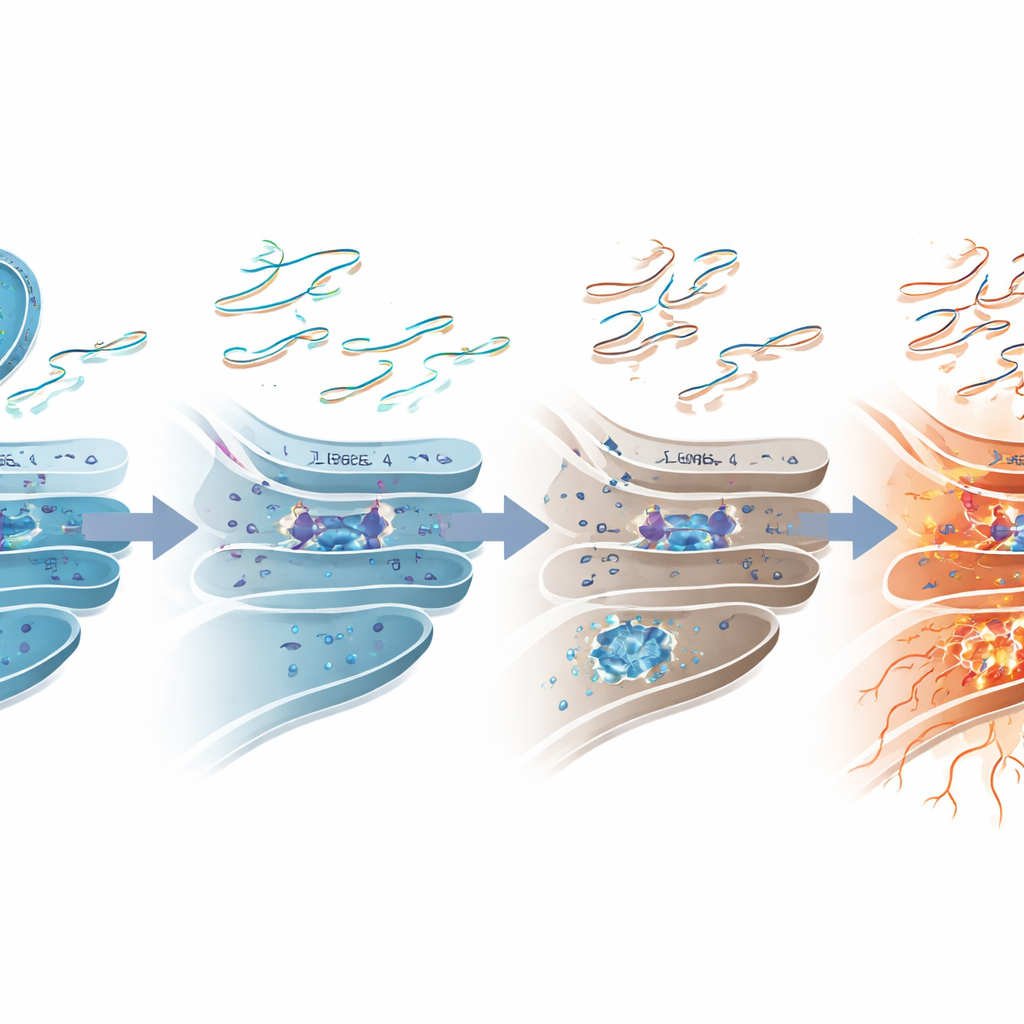
With less ATP2A3 available, calcium began to build up in the wrong place. In METTL14‑deficient cells, calcium in the main body of the cell rose, the ER became swollen and fragmented under the electron microscope, and contact sites between the ER and neighboring mitochondria were disturbed. These changes activated classic “stress” pathways inside the ER and boosted harmful oxidants. The affected cells became much more likely to die, showing a mixture of death styles rather than a single tidy form of self‑destruction. Importantly, when the team artificially boosted ATP2A3 levels in cells lacking METTL14, calcium balance, ER stress markers, oxidant levels, and cell survival all improved, pointing to ATP2A3 as a crucial downstream target of this RNA‑marking system.
Reversing the damage in living brains
To test whether restoring METTL14 itself could help an ailing brain, the scientists delivered a virus carrying the METTL14 gene directly into the substantia nigra of the knockout mice. In these treated animals, dopamine neurons again showed METTL14, and more of them survived. The mice performed better on movement tasks, although not every behavior fully returned to normal, hinting that some damage cannot be undone once it has progressed too far or that other circuits are also involved.
What this means for Parkinson’s disease
Put simply, this study reveals a new chain of cause and effect in vulnerable dopamine neurons. When METTL14 is lost, key RNA messages, especially the one for the calcium pump ATP2A3, are no longer marked correctly. The pump level drops, calcium spills out of its safe storage, the cell’s internal factory (the ER) becomes stressed and leaky, and damaging oxidants rise, pushing neurons toward death. By restoring either METTL14 or ATP2A3, at least in models, the researchers could break this chain and ease both cell stress and movement problems. While much work remains before such strategies can be tested in people, the findings highlight RNA‑based regulation of calcium and ER balance as a promising new angle for understanding and perhaps treating Parkinson’s disease.
Citation: Teng, Y., Liu, Z., Wei, F. et al. Loss of METTL14 in dopaminergic neurons disrupts ER homeostasis via m6A-dependent regulation of Atp2a3 mRNA: Implications for Parkinson’s Disease. npj Parkinsons Dis. 12, 108 (2026). https://doi.org/10.1038/s41531-026-01318-7
Keywords: Parkinson’s disease, dopamine neurons, RNA modification, calcium balance, endoplasmic reticulum stress