Clear Sky Science · en
No evidence for genotype-treatment interactions with breast cancer endocrine therapy adverse effects in UK Biobank
Why this research matters for women with breast cancer
Hormone-blocking drugs such as tamoxifen and aromatase inhibitors have transformed outcomes for many women with breast cancer, but they can also cause troubling side effects—from bone thinning and blood clots to hot flashes and mood changes. For years, scientists have hoped that simple DNA tests might predict who is most likely to suffer these problems, allowing doctors to choose the safest drug for each woman. This study takes a hard look at that promise using one of the largest health databases in the world and comes to a sobering, but important, conclusion.
A closer look at hormone treatment and side effects
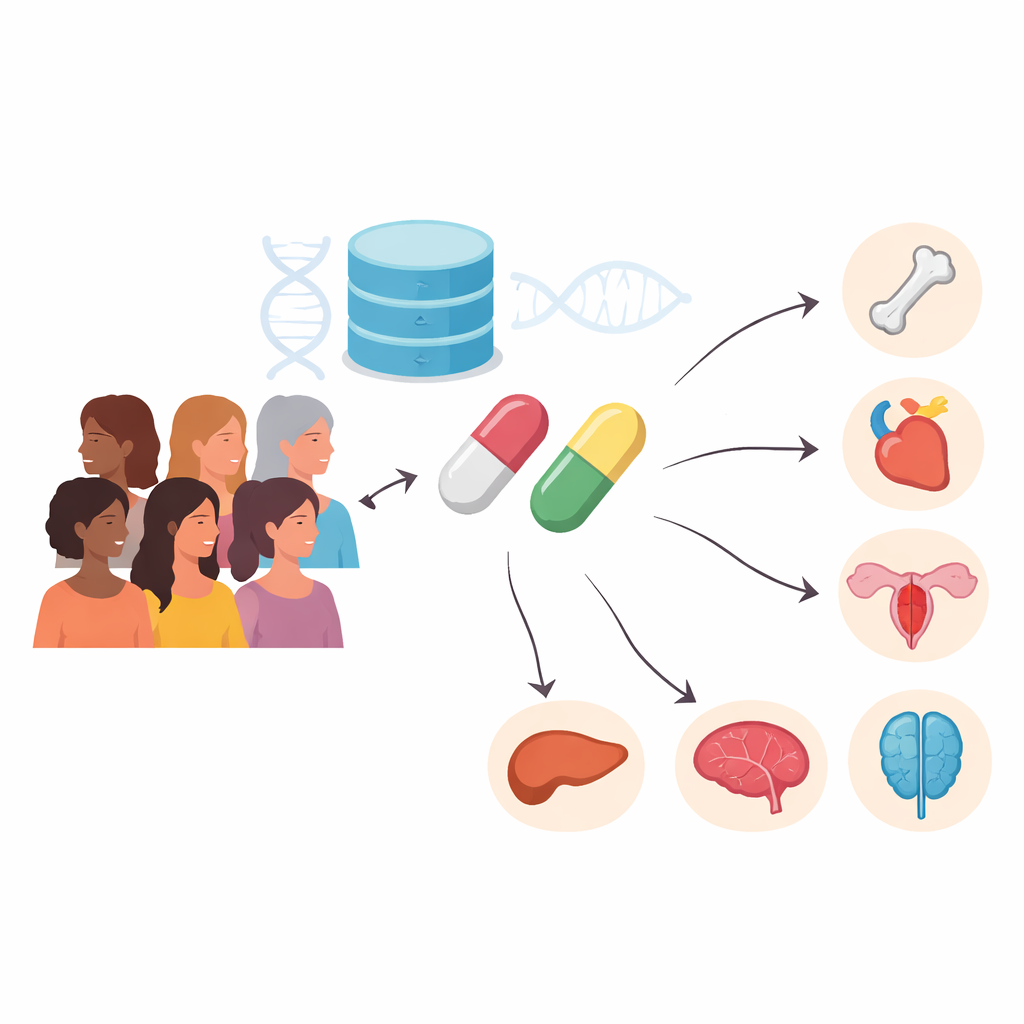
Most breast cancers depend on hormones such as estrogen to grow. After surgery or other first-line treatments, many patients take tablets for five to ten years that either block estrogen receptors (like tamoxifen) or reduce estrogen production (aromatase inhibitors). These medicines substantially cut the chance that the cancer will return and improve survival. Yet up to two thirds of women experience unwanted effects that can make daily life difficult and lead some to stop treatment early, increasing their risk of relapse. Side effects range from muscle and joint pain and bone loss to blood clots, womb changes, liver problems and depression. Because these problems are medically important and can alter the course of care, the authors group them under the term “medically important adverse drug effects,” or MIADEs.
Can our genes predict who gets hit hardest?
Earlier, smaller studies had suggested that specific genetic variants—tiny changes in DNA sequence—might make some women more vulnerable to these serious side effects while on hormone therapy. Variants in genes involved in drug processing, blood clotting, bone biology and hormone signaling were all implicated. If these links held up in larger, more rigorous studies, doctors might use cheek-swab or blood tests to steer women with “high‑risk” versions of these genes away from particular drugs. To test this idea, the researchers turned to the UK Biobank, a long-running project that has collected genetic data and detailed health records from hundreds of thousands of volunteers.
What the UK Biobank revealed
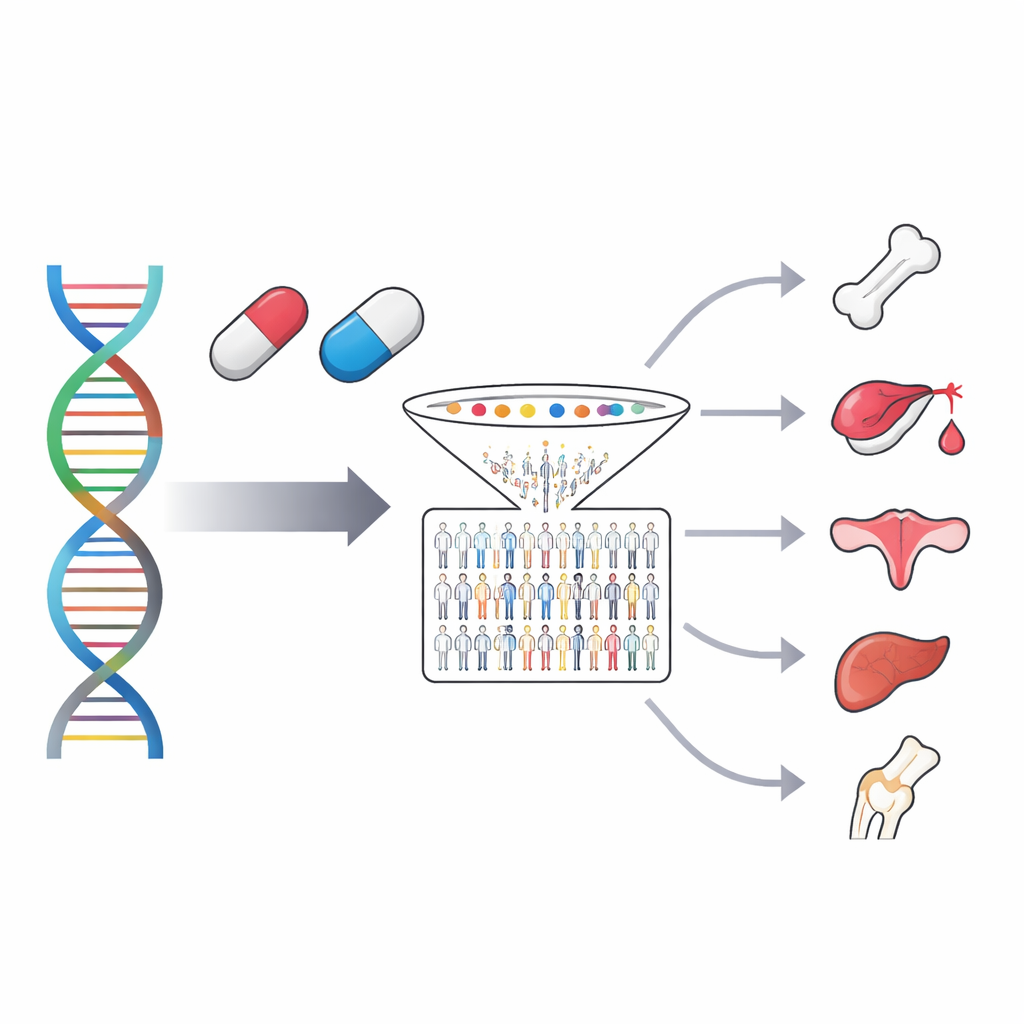
From this resource, the team identified 2,729 women who reported taking endocrine therapy: about 1,200 on tamoxifen and 1,500 on aromatase inhibitors, mostly after menopause. They then focused on 41 genetic variants previously reported to be tied to serious side effects such as fractures, dangerous blood clots, liver damage, womb cancer, and major mood problems. Using statistical models, they asked a key question: does the relationship between a given genetic variant and a side effect differ depending on whether a woman is taking hormone therapy or not? Such a pattern—called a genotype–treatment interaction—would support the idea that genes could guide drug choice. Despite examining 97 gene–outcome combinations, the researchers did not find any interaction that remained significant after strict correction for multiple testing.
Signals without drug-specific tailoring
The analysis did uncover some genes that were linked to higher overall risk of problems such as blood clots or bone loss, regardless of treatment. For example, women with certain clotting variants were more prone to venous thrombosis, and some bone-related variants were associated with lower bone density. However, the size of these effects was similar in women who did and did not receive endocrine therapy, meaning the genes acted as general risk markers rather than altering how tamoxifen or aromatase inhibitors behaved. Power calculations showed that this study was large enough to rule out very strong gene–treatment effects for common variants and frequent side effects, although more modest effects for rare DNA changes and uncommon complications could have been missed.
What this means for patients and doctors
For now, this work suggests that widely available genetic tests cannot reliably identify which hormone drug will give an individual woman fewer serious side effects. While genetics may still influence overall vulnerability to complications like fractures or blood clots, the evidence does not yet support using pharmacogenomic testing to choose between tamoxifen and aromatase inhibitors in routine care. Instead, decisions should continue to be based on clinical factors such as age, menopausal status, other illnesses and personal preferences. Larger or pooled studies may eventually uncover smaller, more nuanced gene effects, but until then, the safest course is careful monitoring and active management of side effects for all women on endocrine therapy.
Citation: Mokbel, K., Weedon, M.N., Moye, V. et al. No evidence for genotype-treatment interactions with breast cancer endocrine therapy adverse effects in UK Biobank. npj Breast Cancer 12, 53 (2026). https://doi.org/10.1038/s41523-026-00923-2
Keywords: breast cancer, endocrine therapy, pharmacogenomics, drug side effects, genetic testing