Clear Sky Science · en
Neoadjuvant pembrolizumab plus chemotherapy in older patients with early-stage triple-negative breast cancer: real-world insights from neo-real/GBECAM-0123
Why this study matters for patients and families
As more people live longer, many women are diagnosed with breast cancer in their 60s, 70s, or beyond. A particularly tough form, called triple-negative breast cancer, grows quickly and has fewer treatment options. A powerful drug combination that includes an immune-activating medicine has become the standard treatment for high‑risk cases, but older adults were barely represented in the original trial. This study asks a simple, crucial question: when used in everyday cancer clinics, does this intensive regimen help older women as much as younger ones, and at what cost in side effects?
Who was studied in everyday cancer clinics
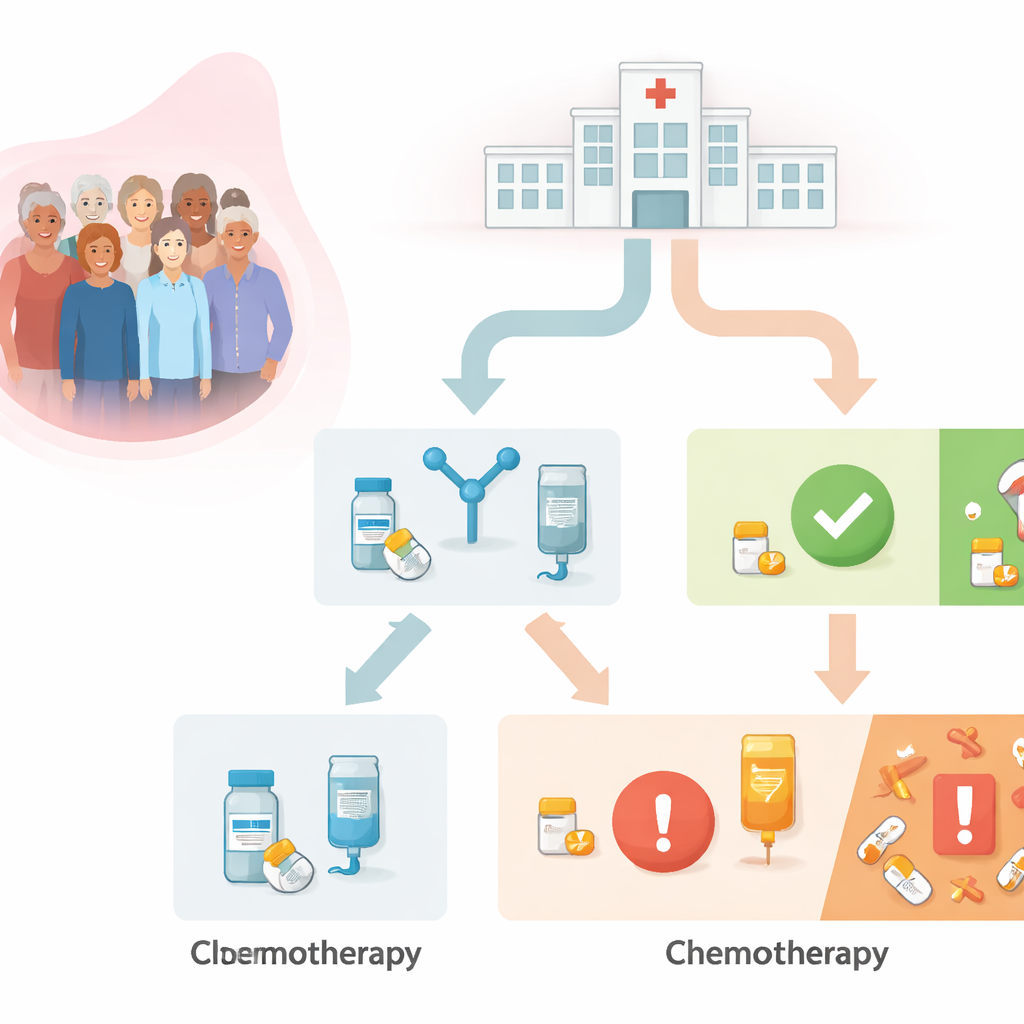
Researchers from multiple cancer centers in Brazil and Argentina pooled real‑world data from 724 people with early-stage triple-negative breast cancer who received the now-standard "KEYNOTE‑522" regimen: a mix of chemotherapy drugs plus the immunotherapy pembrolizumab before surgery, often followed by more pembrolizumab afterward. Of these patients, 80 (about one in nine) were aged 65 or older. Compared with younger patients, the older group tended to have tumors that looked slightly less aggressive under the microscope and were less likely to carry inherited BRCA gene mutations. However, they were more likely to have limitations in daily functioning, reflecting the added burden of age and other health problems.
How well the treatment worked in older adults
The main yardstick for success was whether no trace of cancer could be found in the breast or lymph nodes at surgery, a result called a "pathologic complete response" that often predicts better long‑term outcomes. Overall, about two‑thirds of patients achieved this deep response. In the older group, the rate was somewhat lower—around 55% versus 65% in younger patients—but when the researchers adjusted for differences in tumor type, stage, and other biological features, age itself did not independently reduce the chances of a good response. In other words, once you account for how the cancer behaves, an older woman who is well enough to start this regimen can respond as well as a younger woman.
The heavier side‑effect burden with age
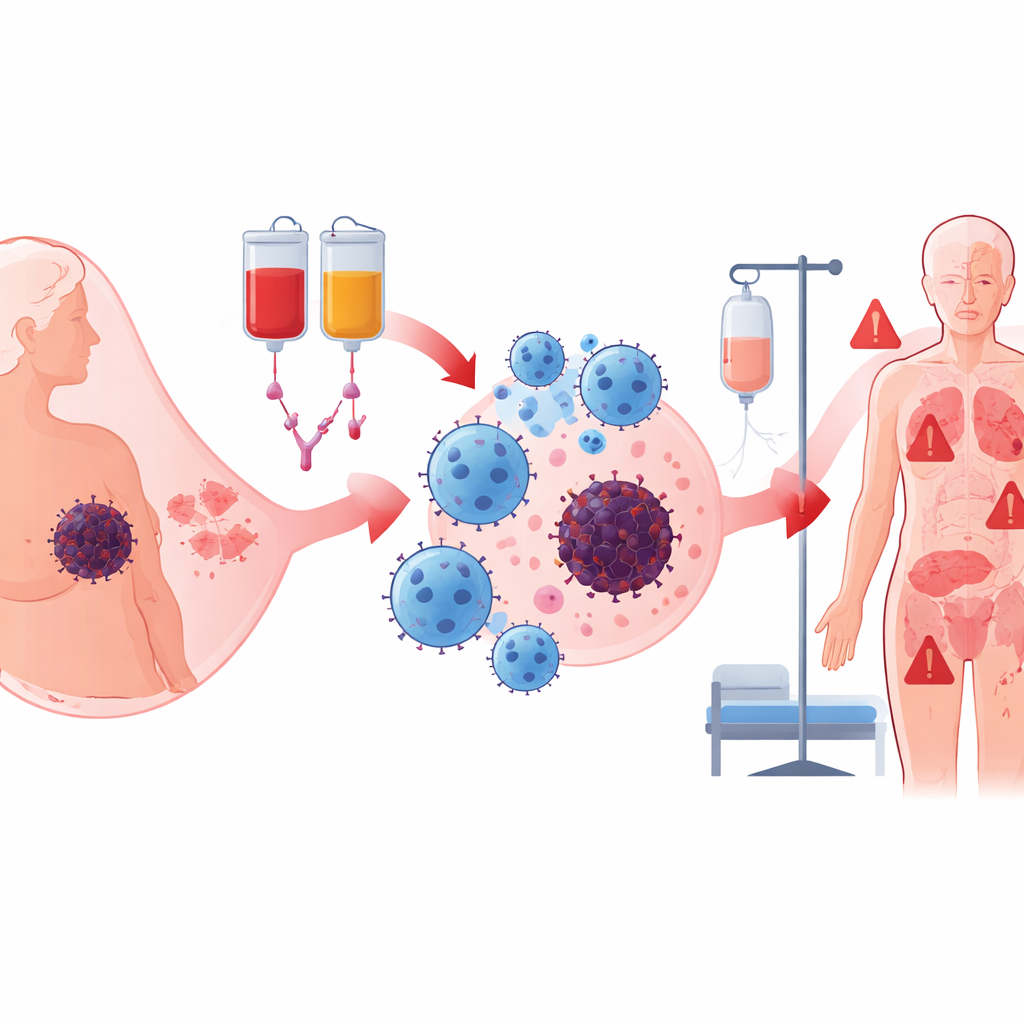
The picture looked quite different when the team focused on safety. Older patients were more likely to stop at least one of the drugs early, especially the anthracycline class of chemotherapy, and more likely to have their doses lowered or their treatments delayed. They were hospitalized more often for treatment‑related problems and needed antibiotics more frequently. Serious drops in white blood cells (neutropenia), which raise the risk of infection, were almost twice as common in the older group, and severe fatigue was also more frequent. Notably, these higher toxicity rates appeared across the older age band, without clear differences between those in their late 60s and those over 75.
What this means for tailoring care
The findings underscore a key tension in cancer care for older adults: the same intensive regimen that offers strong chances of wiping out visible cancer can also push the body to its limits. Because chronological age alone does not capture a person’s true reserves, the authors argue for routine use of geriatric assessments—structured evaluations of mobility, memory, other illnesses, and social support—to decide who can safely receive full‑strength treatment and who might benefit from a gentler approach. Ongoing clinical trials are testing "de‑escalation" strategies, such as skipping certain chemotherapy drugs or relying more heavily on immunotherapy, with the goal of preserving effectiveness while reducing side effects, an especially important balance for older patients.
Take‑home message for patients and caregivers
For older women facing early-stage triple‑negative breast cancer, this study offers both reassurance and caution. The modern combination of chemotherapy and immunotherapy appears to shrink or clear tumors in older adults nearly as effectively as in younger ones, suggesting that age alone should not automatically deny access to this treatment. At the same time, the higher rates of hospitalizations, dose changes, and serious side effects highlight the need for highly personalized decisions. Thoughtful assessment of overall health, careful monitoring during therapy, and continued research on less toxic regimens are essential to ensure that older patients receive treatment that is not only powerful, but also safe and aligned with their goals and quality of life.
Citation: Gouveia, M.C., Barroso-Sousa, R., Lapuchesky, L. et al. Neoadjuvant pembrolizumab plus chemotherapy in older patients with early-stage triple-negative breast cancer: real-world insights from neo-real/GBECAM-0123. npj Breast Cancer 12, 55 (2026). https://doi.org/10.1038/s41523-026-00919-y
Keywords: triple-negative breast cancer, older patients, pembrolizumab, chemoimmunotherapy, treatment toxicity