Clear Sky Science · en
Integrative multi-omics analysis of dietary fibre-induced modulations in the composition and function of chicken caecal microbiota
Why Chicken Gut Bugs Matter for Our Food
As the world eats more chicken, farmers are under pressure to produce affordable meat without competing directly with human food crops such as corn and soy. One promising solution is to feed chickens more fibrous ingredients, including crop leftovers, rather than grains people could eat. But chickens on their own can’t digest much fibre—they rely on trillions of microbes in a pouch of their gut called the caecum. This study explores how two common fibres, inulin and cellulose, reshape these gut microbes and what that means for bird health and sustainable poultry farming.
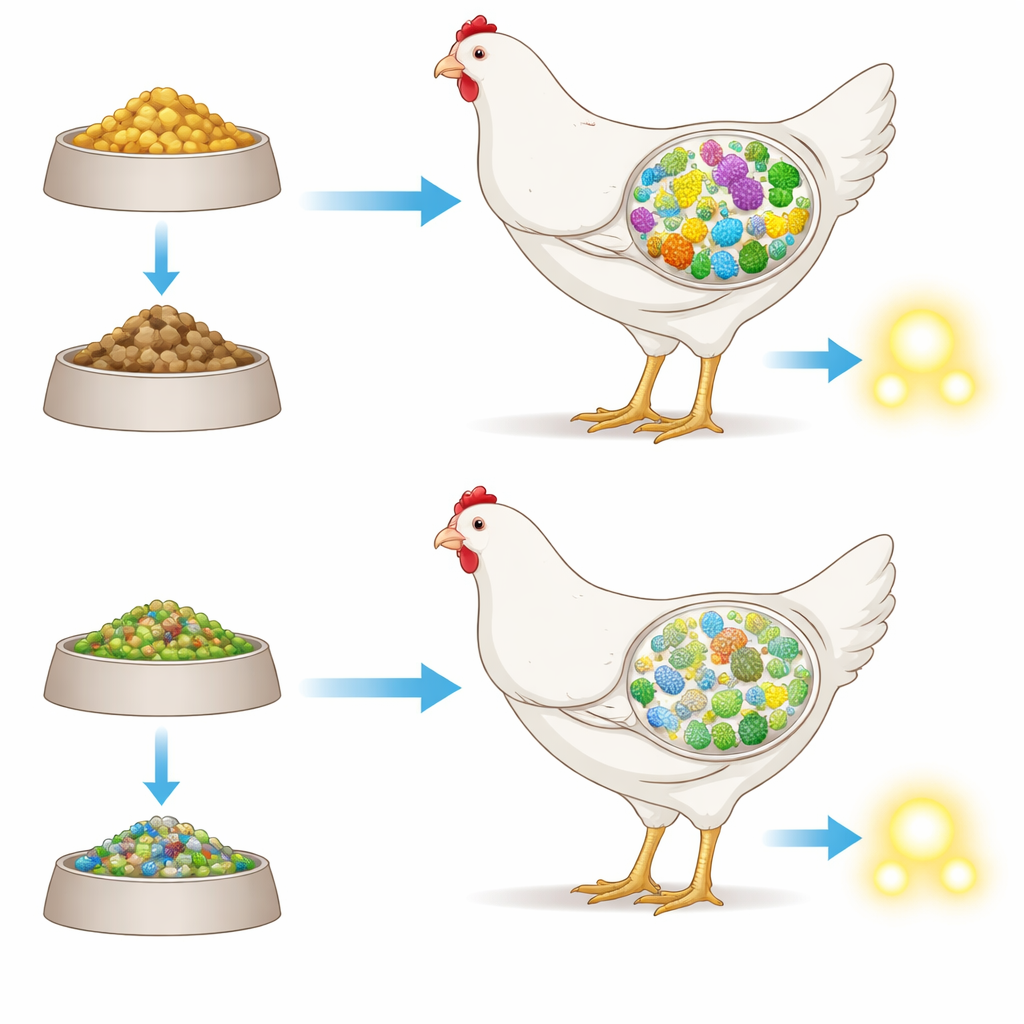
Two Different Fibres, One Big Question
The researchers focused on two contrasting types of fibre that might be used in poultry feed. Inulin is a soluble, fermentable fibre that behaves like a prebiotic, encouraging certain helpful microbes to flourish. Cellulose, in contrast, is an insoluble, tough plant material that passes through the gut more slowly and is harder for microbes to break down. Young broiler chickens were fed diets containing either low or high levels of inulin or a commercial cellulose source (ARBOCEL), or a standard control diet. The team then examined the contents of the birds’ caeca at 35 days of age to see how each fibre source affected the resident microbial community.
Peering Inside the Microbial Factory
To look beyond a simple headcount of which microbes were present, the scientists used an integrated “multi‑omics” toolkit. First, shotgun metagenomics allowed them to assemble hundreds of high‑quality microbial genomes from the caecum, including species that have never been grown in the lab. Next, metatranscriptomics captured which genes those microbes were actively switching on, while metaproteomics identified the proteins they were producing. Finally, they sequenced the chickens’ own gut tissue to see how the host responded. Together, these layers provide a detailed picture of not just who is there, but what they are doing and how the bird’s body reacts.
Inulin Shakes Things Up, Cellulose Barely Budges Them
Feeding chickens a high dose of inulin (4% of the diet) clearly reshaped their caecal microbiota. Measures of diversity showed fewer types of microbes and a shift in which groups dominated, with certain bacteria associated with fibre breakdown and fatty acid production becoming more abundant. In contrast, the same high level of cellulose caused only modest changes, mainly at broad taxonomic levels, and had little effect on which specific bacteria thrived. This difference reflects the fibres’ basic properties: soluble inulin is readily fermented by microbes, while cellulose is structurally complex and far less accessible as a food source.
How Microbes Rewire Their Metabolism
When the team examined gene activity, they found that high inulin did more than change who was present; it altered how those microbes worked. Many genes tied to core energy pathways, such as glycolysis and the citric acid cycle, were less active, suggesting that the community was shifting toward specialised fermentative routes tailored to inulin. At the same time, genes for key carbohydrate‑active enzymes—especially families that include inulin‑cutting inulinases and versatile sugar‑cleaving enzymes—were more strongly expressed. In other words, the microbes in inulin‑fed birds boosted the molecular machinery needed to chop complex fibres into usable fuel. With cellulose, the changes were subtler: some genes linked to sugar transport, fatty acid synthesis, and cell‑surface structures were more active, and a major glycolysis enzyme was elevated, hinting that microbes were largely relying on more conventional feed components rather than aggressively attacking the cellulose itself.
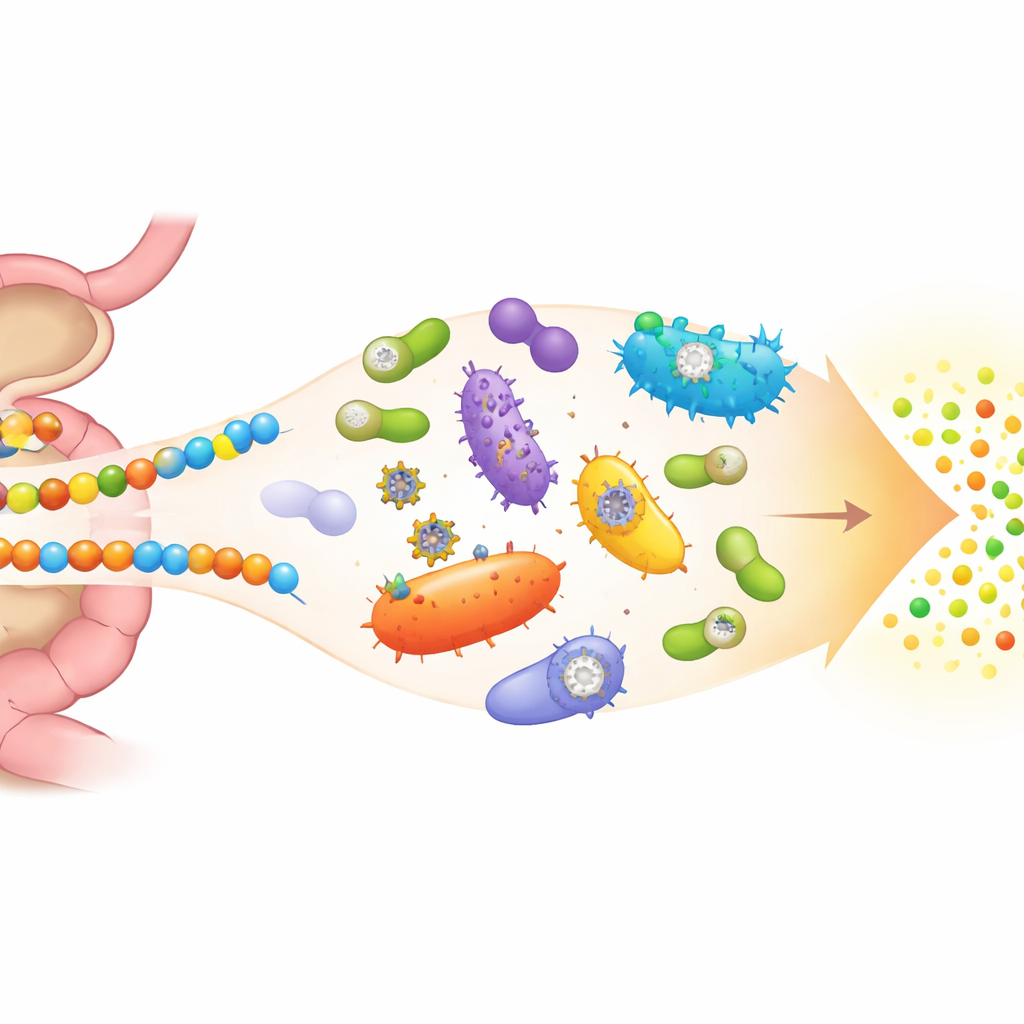
Small Host Effects, Big Implications
The chickens’ own gut tissue showed only modest shifts in immune‑related genes in response to the different fibres, suggesting that under healthy conditions these dietary changes mainly reprogrammed the microbes rather than provoking strong inflammation or immune responses. Still, the altered microbial metabolism is important because it shapes the types and amounts of fermentation products—such as short‑chain fatty acids—that can feed the bird and influence its overall health and growth. By fine‑tuning which fibres and how much of them are added to feed, producers may be able to steer the caecal microbiota toward more efficient energy extraction while limiting negative effects.
What This Means for Future Chicken Diets
Overall, the study shows that not all fibres are equal in the eyes of gut microbes. High levels of soluble inulin strongly remodel the caecal community and push it toward intense fibre fermentation, while similarly high cellulose levels have a far milder impact and appear to support more basic maintenance activities. For poultry nutrition, this means carefully selecting fibre type and dose could help design feeds that rely less on human‑edible grains yet still support bird performance. In practical terms, smarter use of fermentable fibres like inulin—balanced to avoid overdisrupting diversity—may become a key tool for making chicken production more sustainable without sacrificing health or productivity.
Citation: Ahmad, A.A., Watson, K., Khattak, F. et al. Integrative multi-omics analysis of dietary fibre-induced modulations in the composition and function of chicken caecal microbiota. npj Biofilms Microbiomes 12, 73 (2026). https://doi.org/10.1038/s41522-026-00943-7
Keywords: chicken gut microbiome, dietary fibre, inulin, cellulose, poultry nutrition