Clear Sky Science · en
The epidermal ecotone: a proposed model system for marine viral ecology at the animal-environmental interface
Why the Skin of Sea Creatures Matters
When we picture ocean life, we tend to think about fins, shells, or shimmering scales—not the invisible world of viruses living on animal skin. This paper argues that the outer surface of marine animals is more than just a protective coat: it is a busy borderland where the animal’s body, its resident microbes, and countless ocean viruses constantly interact. Understanding this “epidermal ecotone” may help us predict disease outbreaks in marine life, reveal how animals cope with climate change, and even inspire new ways to treat infections in aquaculture and human medicine.
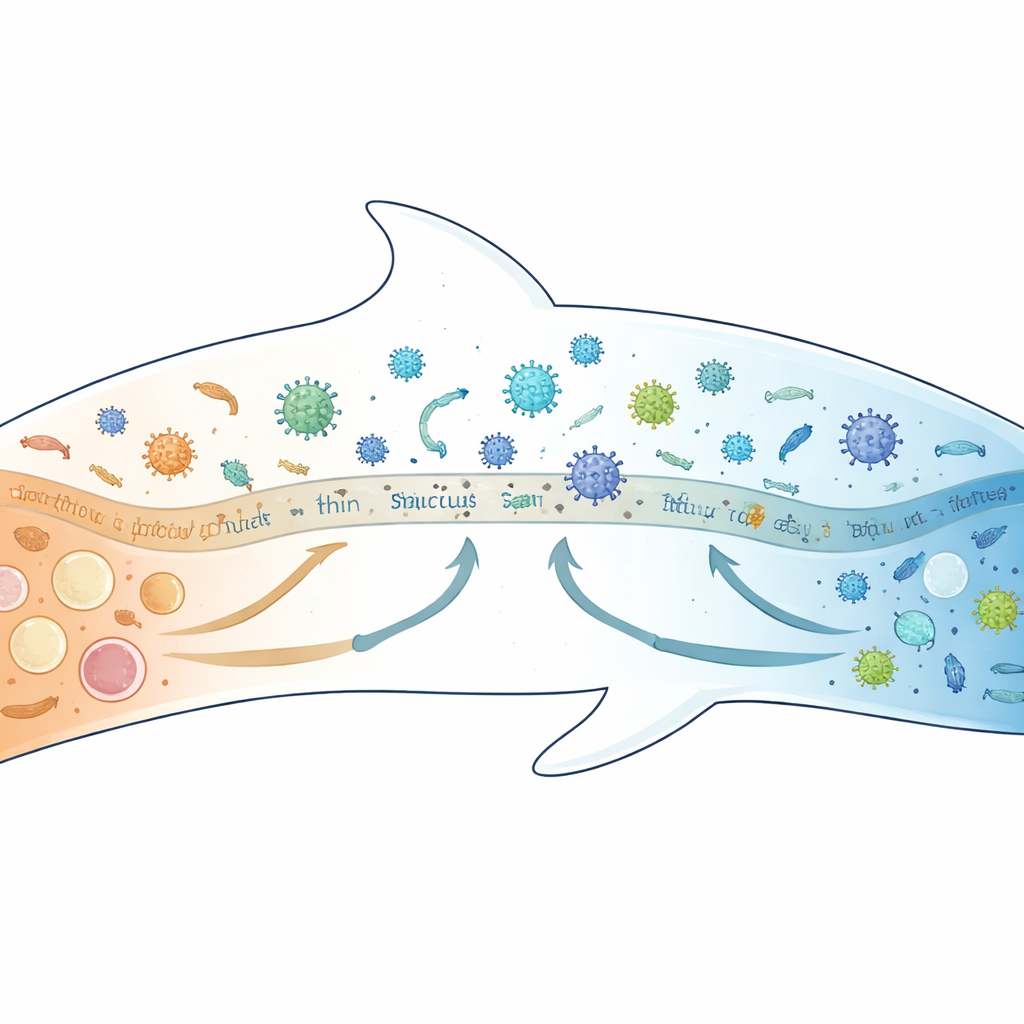
A Living Border Between Body and Sea
The authors introduce the idea of the epidermal ecotone as a thin transitional zone linking the inside of a marine animal to the surrounding seawater. They divide it into three connected mini-habitats: the tissue just under the skin, the actual skin surface plus its mucus coating, and the thin shell of water hugging the body, called the “aura.” Each zone has its own mix of microbes and viruses, and together they function like a tiny coastline where life from the “land” (the animal) and the “sea” (the ocean water) meet and mingle. Viruses that infect the animal itself behave differently from those that infect the microbes living on or near the skin—which the authors call the “microvirome.”
The Inner Layer: Guarded but Leaky
Just beneath the surface, tissues form a key immune barrier that stops many viruses from getting inside. Different animals build this barrier in very different ways, from paper-thin layers in corals and jellies to thick, complex skin in whales and fish. Animal-targeting viruses can sometimes slip past this barrier, lie dormant in the host’s DNA, and reactivate when the animal is stressed. At the same time, viruses that infect bacteria and other microbes can drift in through the bloodstream or from the gut. This inner community is heavily shaped by the animal’s immune system, which both limits harmful infections and, in some species, may be harnessed to support beneficial viruses—for example, those that help control dangerous bacteria.
The Skin and Mucus: A Shifting Conveyor Belt
The skin surface and its mucus layer act like a conveyor belt where microbes and viruses continually arrive, compete, and are swept away. Many marine animals regularly shed skin cells or mucus—from continuous sloughing in corals and sponges to periodic molting in crabs and whales. This shedding helps clear viruses and harmful microbes but also releases large numbers of particles into the water, potentially spreading disease. Mucus itself is a rich, three-dimensional mesh of sugars, proteins, and lipids that offers both food and shelter to select microbes and their viruses. Chemical changes in mucus driven by diet, temperature, pollution, or injury can stress resident microbes, triggering viruses to switch from quiet, dormant states to aggressive, cell-killing modes that reshape the whole community.
The Surrounding Water: A Viral Cloud in Motion
The aura—the thin layer of water just outside the mucus—is constantly fed by viruses shed from the animal and by the immense viral “soup” of the open ocean. Its composition shifts with currents, depth, light, and temperature, and with the animal’s own movement. Fast-swimming sharks, for instance, experience different water flow over their textured skin than slow-moving or stationary creatures like corals and sponges, which can build up persistent microbial and viral halos around reefs. As oceans warm and human pollution increases, viral loads in this near-body water are expected to rise, potentially overwhelming the stabilizing effects of the skin’s microbial community and making animals more vulnerable to disease.
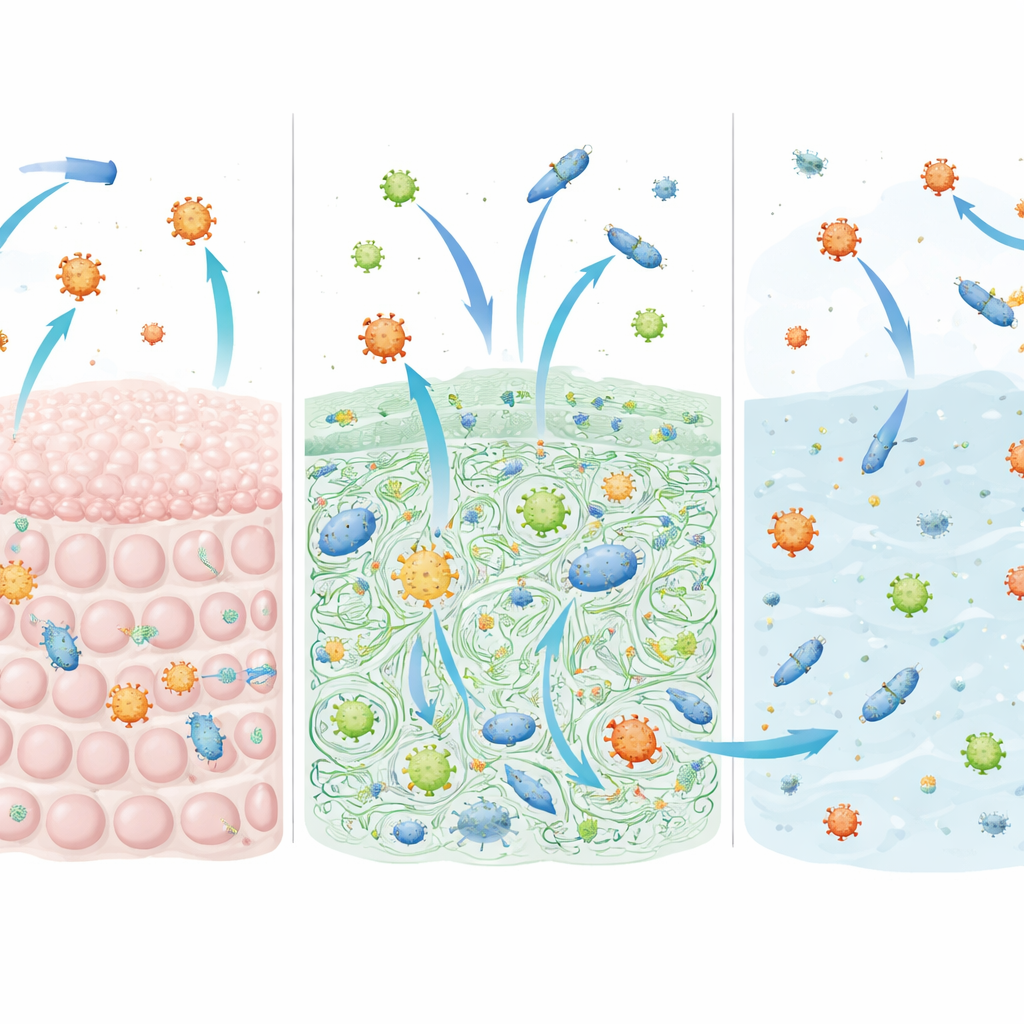
Why This Viral Borderland Matters for the Future
The authors conclude that the epidermal ecotone is a powerful yet underused model for studying how animals, microbes, and viruses co-exist. Because this border region is accessible without invasive procedures, it offers a practical window into immune defenses, wound healing, and responses to climate and pollution. Stable, diverse skin communities can help marine animals resist infections and recover from injury, while breakdowns in this balance—known as dysbiosis—are linked to coral bleaching, fish diseases, and reef decline. By mapping which viruses live where, how they move between zones, and how they respond to stress, scientists can better forecast ecosystem health and design interventions, such as targeted phage therapies, to protect both marine life and the humans who depend on healthy oceans.
Citation: Hesse, R.D., Dinsdale, E.A. The epidermal ecotone: a proposed model system for marine viral ecology at the animal-environmental interface. npj Biofilms Microbiomes 12, 74 (2026). https://doi.org/10.1038/s41522-026-00939-3
Keywords: marine virome, skin microbiome, coral and fish health, ocean viruses, mucus barrier