Clear Sky Science · en
Pentavalent and tetravalent uranium formation via glycerol-stimulated bacteria in mine water
Why underground uranium matters to everyday life
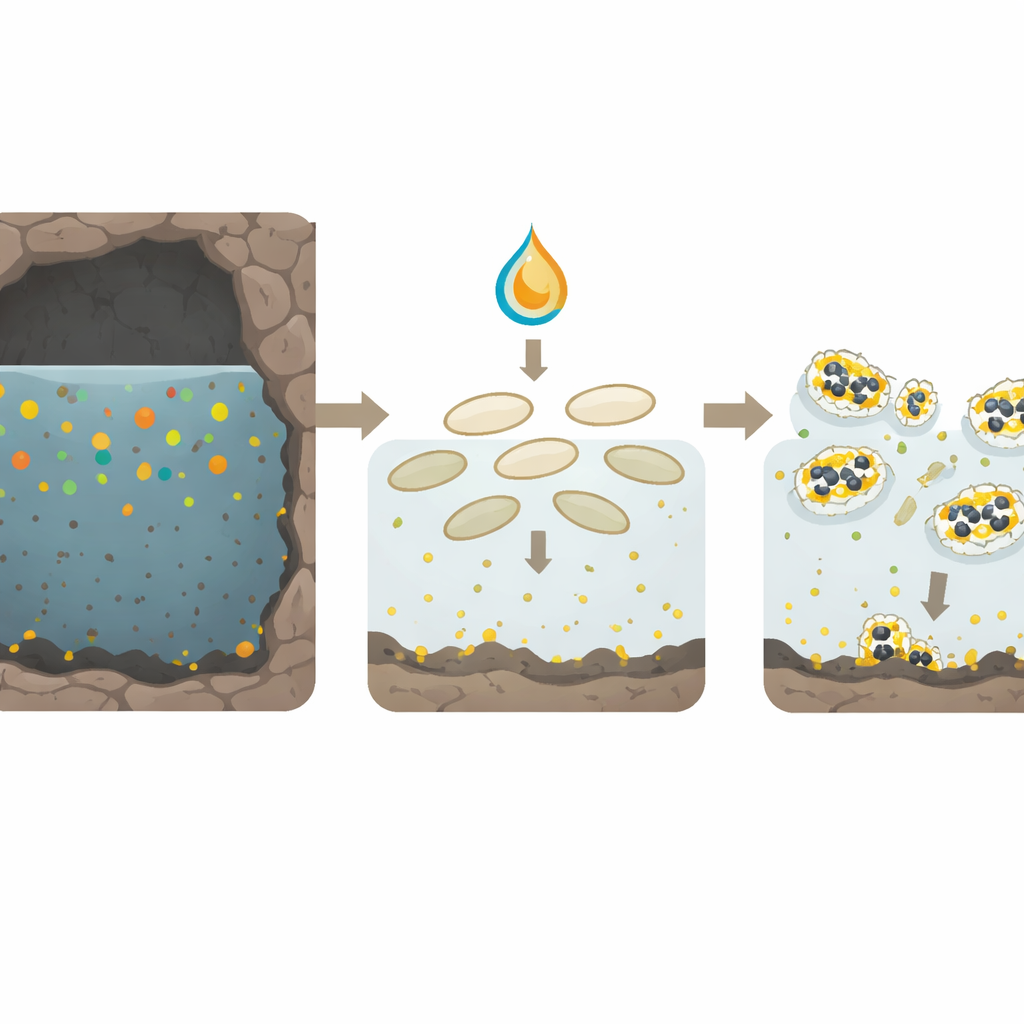
Across the world, old uranium mines still leak traces of this radioactive metal into groundwater. Even at low levels, uranium can threaten drinking water supplies and ecosystems, and cleaning it up is expensive and long‑term. This study explores an intriguing alternative: letting naturally occurring microbes in mine water, helped along with an industrial by‑product called glycerol, lock uranium into tiny, stable particles so it can no longer move freely through the environment.
Turning a waste product into a clean‑up helper
The researchers worked with water from a former uranium mine in Germany that still contains more uranium than regulations allow. Instead of relying on chemical treatment alone, they set up sealed test bottles filled with mine water and added glycerol, a cheap and abundant by‑product from biodiesel production. Glycerol serves as food for certain microbes. As these microbes break it down, they change the chemical balance of the water, driving it from oxygen‑rich to strongly oxygen‑poor conditions. Over 130 days, this shift in conditions allowed the microbial community to remove up to 96% of the dissolved uranium from the water.
Microbes reshaping uranium in the dark
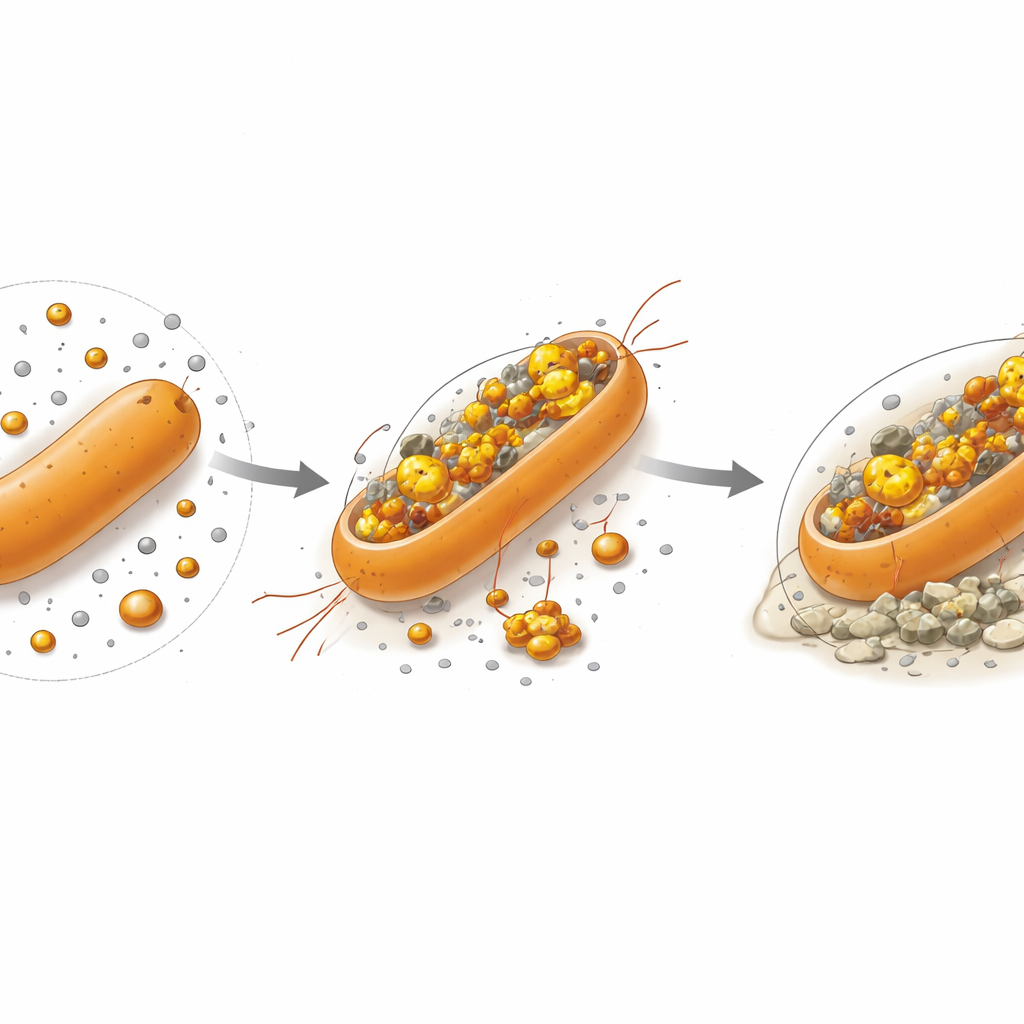
Under these oxygen‑poor conditions, several groups of bacteria flourished. Fermenting microbes used glycerol to produce small organic molecules and hydrogen gas, which in turn fed sulphate‑reducing and metal‑reducing bacteria. These latter groups are known to use metals like uranium as part of their energy metabolism. As they did so, dissolved uranium in its highly mobile form was transformed into solid particles that clung to cell surfaces and sank toward the bottom. At the same time, other dissolved substances such as iron, sulphate, and arsenic also decreased, revealing a broad reshaping of the mine water chemistry driven by microbial activity.
Tiny crystals and a surprising middle state
To find out exactly what forms of uranium had been created, the team turned to powerful X‑ray techniques at a synchrotron facility and high‑resolution electron microscopy. They discovered that most of the uranium had been reduced to a less soluble form that assembled into nanometer‑sized crystals of a mineral known as uraninite. These crystals were just a few billionths of a meter across and tended to cluster on the outer surfaces of bacterial cells. More surprisingly, a substantial fraction of the uranium existed in an intermediate chemical state, between the usual “high” and “low” forms. This middle state appeared both as dissolved complexes bound to carbonate in the water and as solid particles where uranium was tightly linked with iron in a mixed mineral known as FeUO₄.
Stability in the face of returning oxygen
Any real‑world clean‑up strategy must withstand changing conditions, including the return of oxygen that can re‑mobilize metals. The researchers therefore exposed some of the uranium‑bearing particles to air for four weeks. As expected, a portion of the uraninite crystals oxidized back toward more mobile uranium. Yet the mixed iron‑uranium particles and the intermediate uranium state remained surprisingly stable, and in the oxidized samples this middle state even became the dominant form. This suggests that microbe‑built iron‑uranium minerals can act as a buffer: even if some of the most reduced uranium is re‑oxidized, much of it stays locked in a less mobile, intermediate form instead of fully returning to the water.
What this means for cleaning up old mines
For non‑specialists, the key message is that the simple act of feeding mine‑water microbes with an inexpensive waste product can trigger a cascade of natural processes that lock uranium away in tiny, stable solids. Crucially, the study shows that uranium does not just flip from a mobile to an immobile state, but can settle into a surprisingly persistent middle ground that still keeps it from spreading. By revealing how microbial communities, iron minerals, and uranium interact over months under realistic mine‑water conditions, this work points toward more sustainable strategies for managing contaminated sites and may help shorten the time during which costly active water treatment is needed.
Citation: Newman-Portela, A.M., Kvashnina, K.O., Bazarkina, E.F. et al. Pentavalent and tetravalent uranium formation via glycerol-stimulated bacteria in mine water. Nat Commun 17, 4030 (2026). https://doi.org/10.1038/s41467-026-72560-z
Keywords: uranium bioremediation, mine water, microbial metal reduction, glycerol stimulation, environmental radionuclide cleanup