Clear Sky Science · en
Oxidative stress causes a reversible decrease of deubiquitylases activity in old vertebrate brains
Why Brain Aging Matters to All of Us
As people live longer, keeping our brains healthy has become one of the biggest challenges in medicine. Many age-related brain disorders are linked to a slow buildup of damaged or misfolded proteins inside nerve cells. This study asks a simple but profound question: what goes wrong in the brain’s internal cleaning machinery as we age, and can any of that damage be reversed?
The Brain’s Protein Cleaning Crew
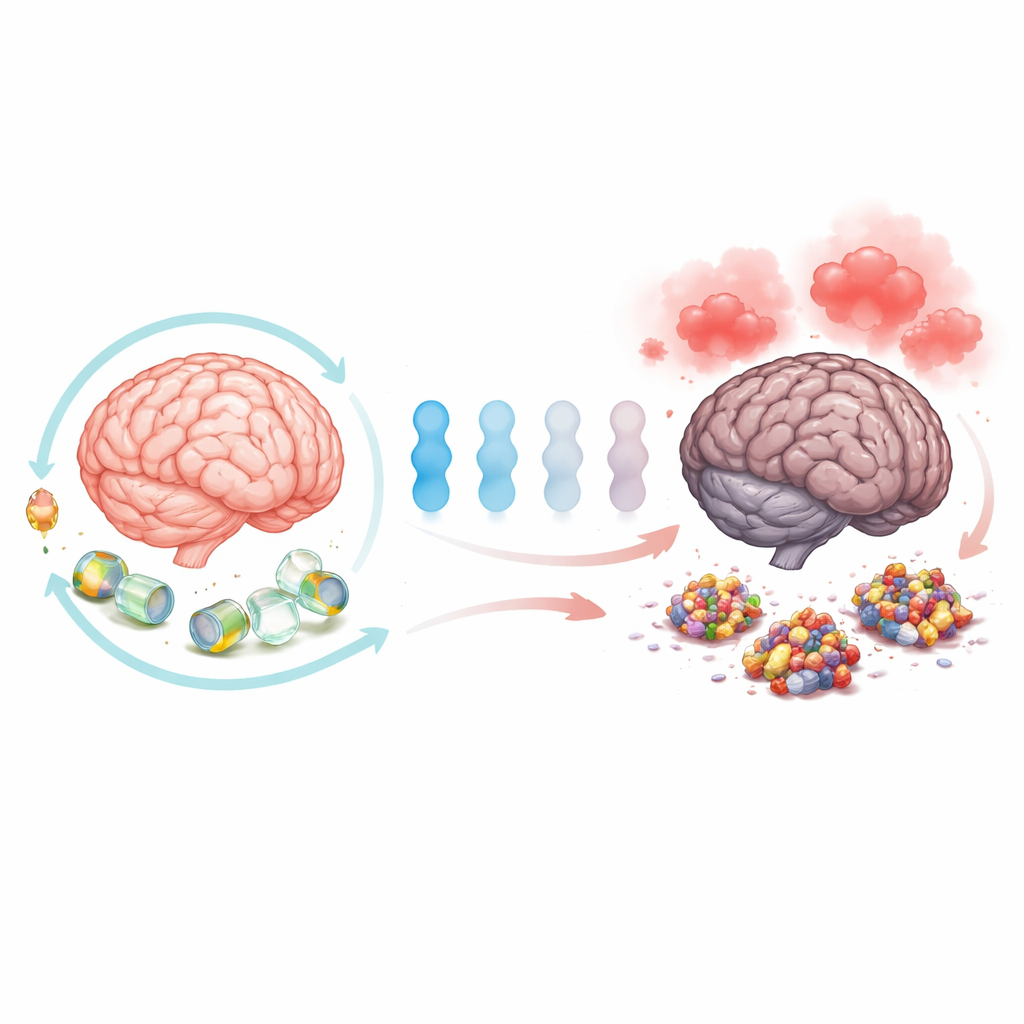
Every cell relies on a sophisticated recycling system to keep its proteins in good working order. A key part of this system attaches a small molecular “tag” called ubiquitin to proteins that need to be repaired, reused, or destroyed. Another group of enzymes, called deubiquitylases, or DUBs, removes these tags at the right time, helping fine-tune which proteins are broken down and which are spared. In this study, researchers examined how active these enzymes remain in the brains of aging mice and short-lived fish, and how their decline might contribute to broader failures in protein quality control.
What Happens to These Enzymes as Brains Grow Old
Using chemical probes and advanced mass spectrometry, the team mapped which DUBs were still working in young and old vertebrate brains. They found that, on average, DUB activity dropped by about 40 percent in older animals, even though the total amount of DUB protein stayed largely the same. This decline appeared in both mice and killifish, suggesting it is a common feature of vertebrate brain aging. Importantly, the loss of activity often did not track with the abundance of these enzymes, pointing toward a functional switch rather than simple wear and tear or loss of protein.
Oxidative Stress: A Hidden Off Switch
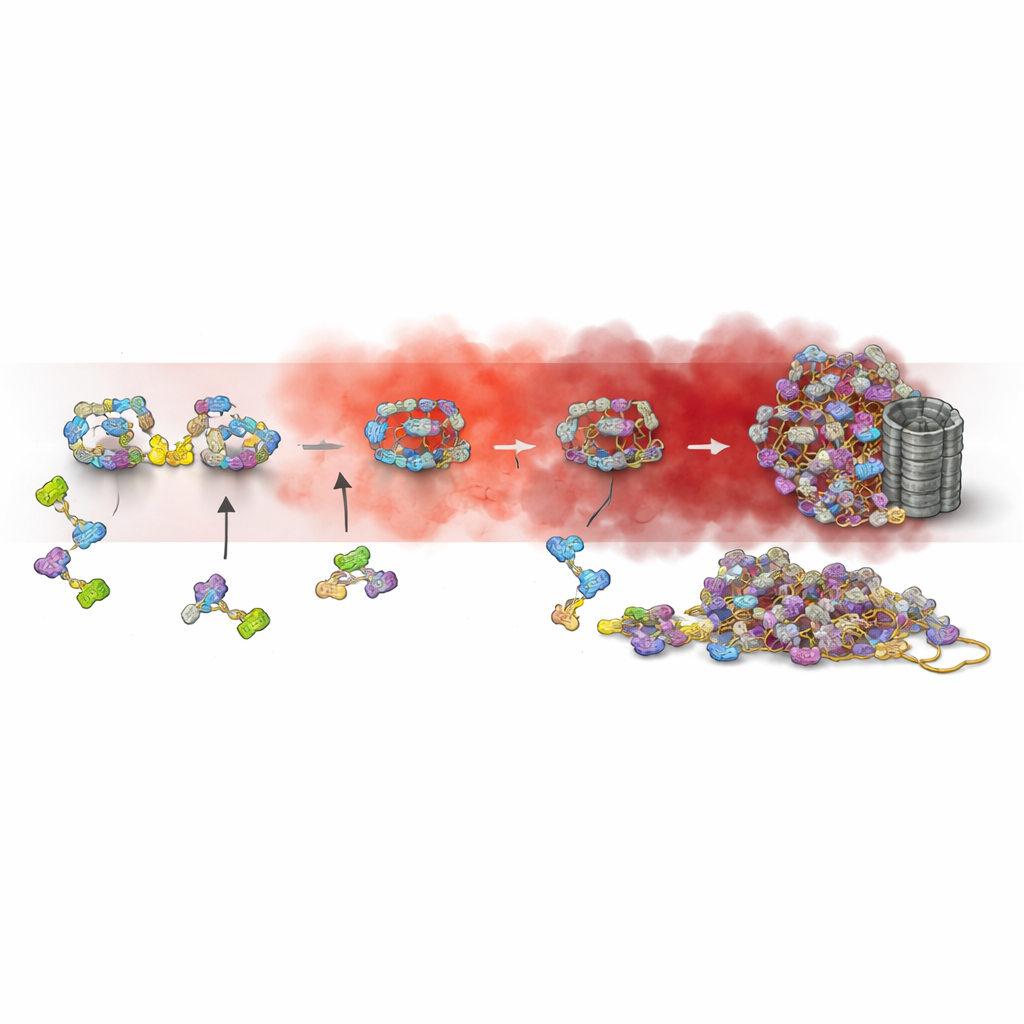
The scientists then looked for a molecular culprit behind this decline and focused on oxidative stress, the chemical damage caused by reactive oxygen species that accumulate with age. Many DUBs rely on a sulfur-containing “handle” in their structure to cut ubiquitin chains. The team showed that this handle becomes increasingly oxidized in older brains, using measurements of reduced thiols as a readout. When they treated old brain samples with a reducing agent in the lab, DUB activity bounced back, but similar treatment did little in young samples, indicating that oxidation specifically silences aging DUBs. A time-course in mice showed that thiol loss and DUB decline start in midlife and appear before a clear drop in proteasome function, hinting that DUB failure is an early step on the path to broader protein-control breakdown.
Ripple Effects on Neurons and Their Proteins
To see how this enzyme slowdown affects individual proteins, the researchers turned to human neurons grown from induced pluripotent stem cells. When they blocked DUBs with drugs, neurons showed widespread changes in protein ubiquitylation that overlapped with those seen in aged mouse brains. Proteins involved in breaking things down, such as components of the proteasome and autophagy machinery, became more heavily tagged, while key players in synaptic communication often became less tagged. Partial inhibition of one strongly affected DUB, called USP7, mimicked only a subset of the age-related changes, suggesting that many enzymes decline together to reshape the protein landscape. Prolonged DUB inhibition in neurons also reduced proteasome activity, supporting the idea that DUB failure can help drive later defects in the cell’s shredding machinery.
A Glimpse of Reversibility
Most strikingly, the researchers tested whether they could restore DUB function in the brains of old mice by improving the redox balance. They treated aged animals for 12 days with N-acetylcysteine ethyl ester (NACET), a brain-penetrant antioxidant that boosts the availability of the amino acid cysteine. NACET raised the pool of reduced thiols, revived DUB activity, lowered damaging chains of ubiquitin on proteins, and improved proteasome performance in old brains. This did not make the animals young again, but it showed that at least part of the age-related shutdown of these enzymes is chemically reversible.
What This Means for Healthy Brain Aging
This work reveals that a specific group of protein-cleaning enzymes in the brain gradually loses activity with age, not because the enzymes vanish, but because their sensitive chemical groups are oxidized. That loss of function appears early, contributes to the buildup and mislabeling of proteins, and precedes later declines in the main protein-degrading machine. By showing that antioxidant treatment can restore much of this activity in old brains, the study suggests that maintaining the right redox balance could help preserve the brain’s self-cleaning capacity and potentially slow the march toward age-related cognitive decline.
Citation: Sahu, A.K., Minetti, A., Di Fraia, D. et al. Oxidative stress causes a reversible decrease of deubiquitylases activity in old vertebrate brains. Nat Commun 17, 3653 (2026). https://doi.org/10.1038/s41467-026-71921-y
Keywords: brain aging, oxidative stress, protein quality control, deubiquitylases, neurodegeneration