Clear Sky Science · en
Therapeutic potential of dihydronicotinamide riboside (NRH) on obesity and glucose intolerance in mice
Why a new vitamin like molecule matters
Obesity and type 2 diabetes are often linked to how our cells handle energy, especially a helper molecule called NAD+. This study explores a new vitamin B3 related compound, dihydronicotinamide riboside (NRH), in mice to see whether it can safely improve weight gain and blood sugar control. The findings suggest NRH can protect against diet induced metabolic problems and improve glucose handling once obesity is established, but only within a careful dosing window. 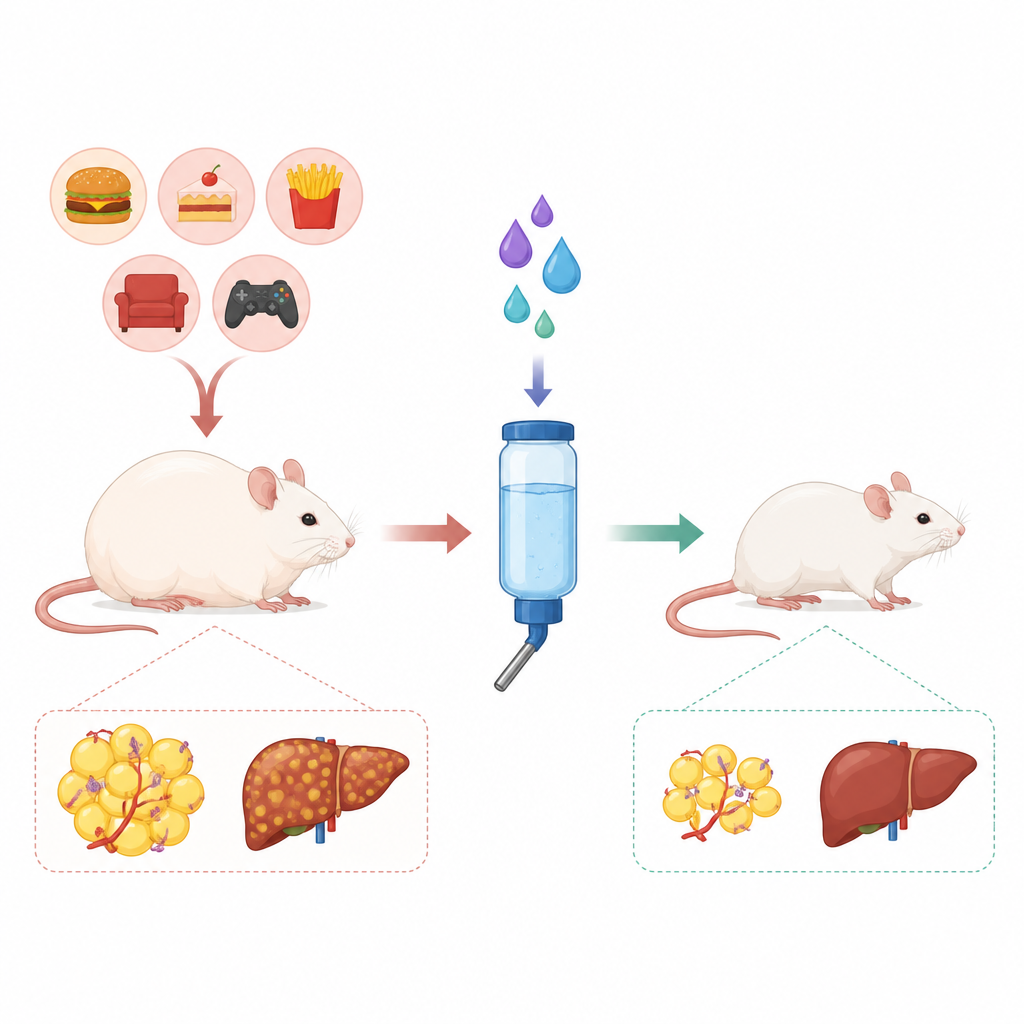
A fresh take on a familiar cell fuel
NAD+ is a small molecule that helps cells turn food into energy and supports many repair processes. Levels of NAD+ tend to fall with age and with poor diet, and this decline is linked to metabolic diseases. Several vitamin B3 forms can top up NAD+, but they often cause side effects or are poorly absorbed. NRH is a newer relative that takes a different route inside cells to rebuild NAD+, raising hopes that it might work better in living animals.
Tracking NRH as it moves through the body
The researchers first asked whether NRH given by mouth actually reaches organs intact. Using a labelled version of NRH in mice, they found the compound in many tissues, including liver, muscle, fat, kidney and even low levels in the brain. In young healthy mice on a normal diet, long term NRH intake at a moderate dose did not change body weight, activity, energy use or basic blood markers. NAD+ levels in most tissues stayed similar, suggesting that under healthy conditions cells either adjust to the extra supply or only use NRH in short bursts.
Benefits under strain but risks at high doses
The story changed when mice were put on a high fat diet that normally causes obesity, fatty liver and poor blood sugar control. With NRH added to their drinking water at a moderate dose, these mice gained less weight and had lower fat stores, healthier livers, and better responses in glucose tolerance tests. Their blood showed lower liver and kidney stress markers and more favorable cholesterol patterns. In already obese mice, starting NRH treatment did not cause weight loss but shifted fat away from liver and muscle toward fat tissue, improved glucose handling, and slightly boosted NAD+ in the kidney and fat. However, when the dose of NRH was raised fourfold, the animals began to show abnormal activity patterns, signs of liver and kidney damage, DNA injury in liver cells and changes in key stress pathways, pointing to toxicity at high exposure.
How NRH reshapes fat and sugar handling
To understand how NRH brings these changes, the team examined gene activity in liver, various fat depots and other tissues. On a high fat diet, many genes involved in lipid handling and mitochondria were disturbed, but NRH muted most of these shifts, especially those tied to fat buildup. In obese mice given NRH, the liver turned on programs for breaking down fats, making bile acids and handling foreign compounds, while dialing down stress signals in the protein folding machinery. In fat tissue, NRH reduced gene programs linked to new fat synthesis and insulin resistance, yet in fat stem like cells it boosted NAD+ and encouraged more precursor cells to become small, healthier fat cells rather than overstuffed ones. NRH also lowered markers of oxidative damage in these cells and in tissues, suggesting it both supports safe fat storage and limits harmful by products. 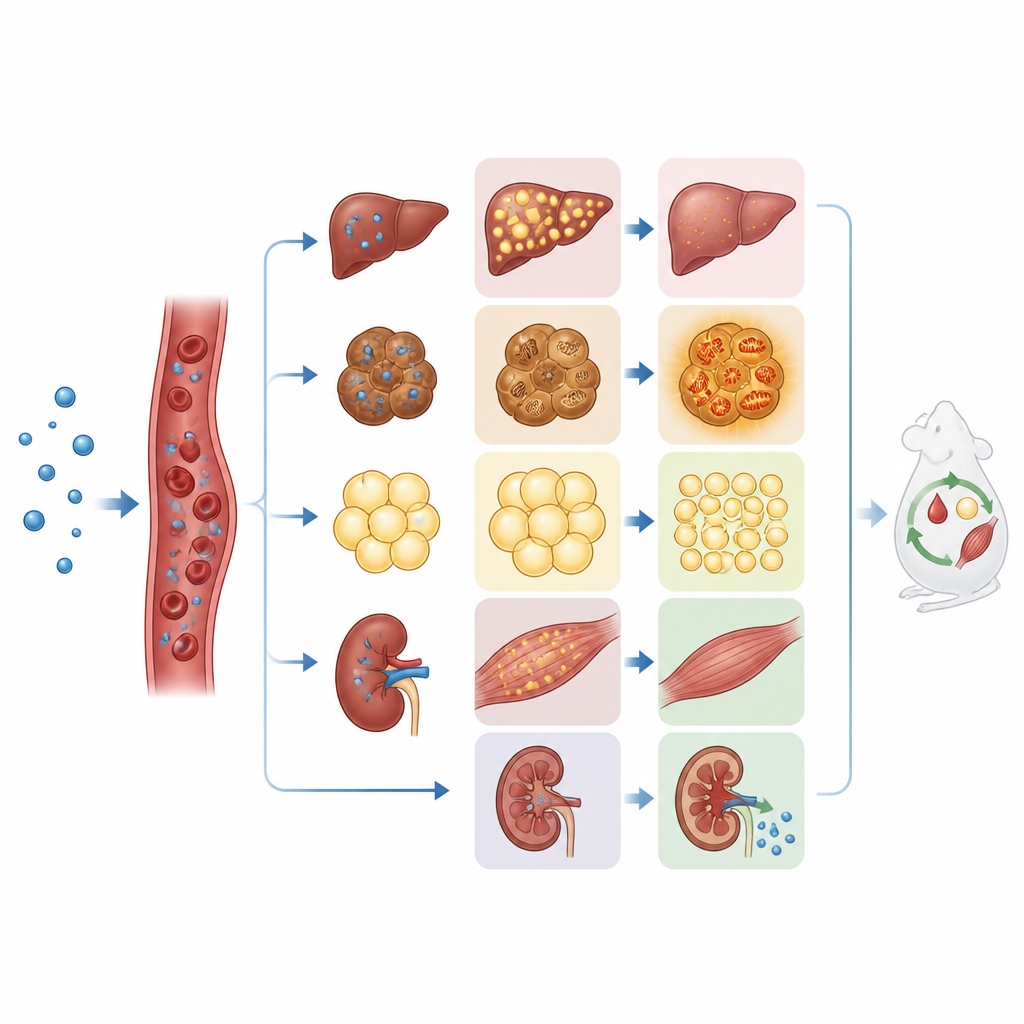
What this means for future therapies
Overall, the study shows that NRH can prevent and partly correct obesity related problems in mice by helping redistribute fat to safer storage sites, easing liver stress and improving glucose tolerance. At the same time, it reveals that NRH has a narrower safety margin than some older NAD+ boosters, with clear toxicity at higher doses. For lay readers, the key message is that tweaking this basic cell helper molecule can meaningfully shift how the body handles fat and sugar, but any future supplement based on NRH would need careful dosing and testing in humans before it could be considered a safe treatment.
Citation: Rumpler, M., van Mierlo, G., Vinten, K.T. et al. Therapeutic potential of dihydronicotinamide riboside (NRH) on obesity and glucose intolerance in mice. Nat Commun 17, 4386 (2026). https://doi.org/10.1038/s41467-026-70965-4
Keywords: NAD+ metabolism, obesity, glucose intolerance, adipose tissue, vitamin B3