Clear Sky Science · en
Unexpected detection of Mycobacterium tuberculosis DNA in US-born patients in putative association with clinical syndromes
Hidden Clues in a Common Germ
Tuberculosis is usually thought of as a disease caught abroad or long ago, diagnosed when people are very sick and their sputum grows the tuberculosis bacterium in the lab. This study challenges that picture. Using an ultrasensitive DNA test, researchers unexpectedly found genetic traces of the tuberculosis microbe in the lung secretions of many hospitalized, mostly U.S.-born patients who were not believed to have tuberculosis at all. The work raises new questions about how widespread low-level tuberculosis infection might be, and whether it could quietly contribute to other serious illnesses.
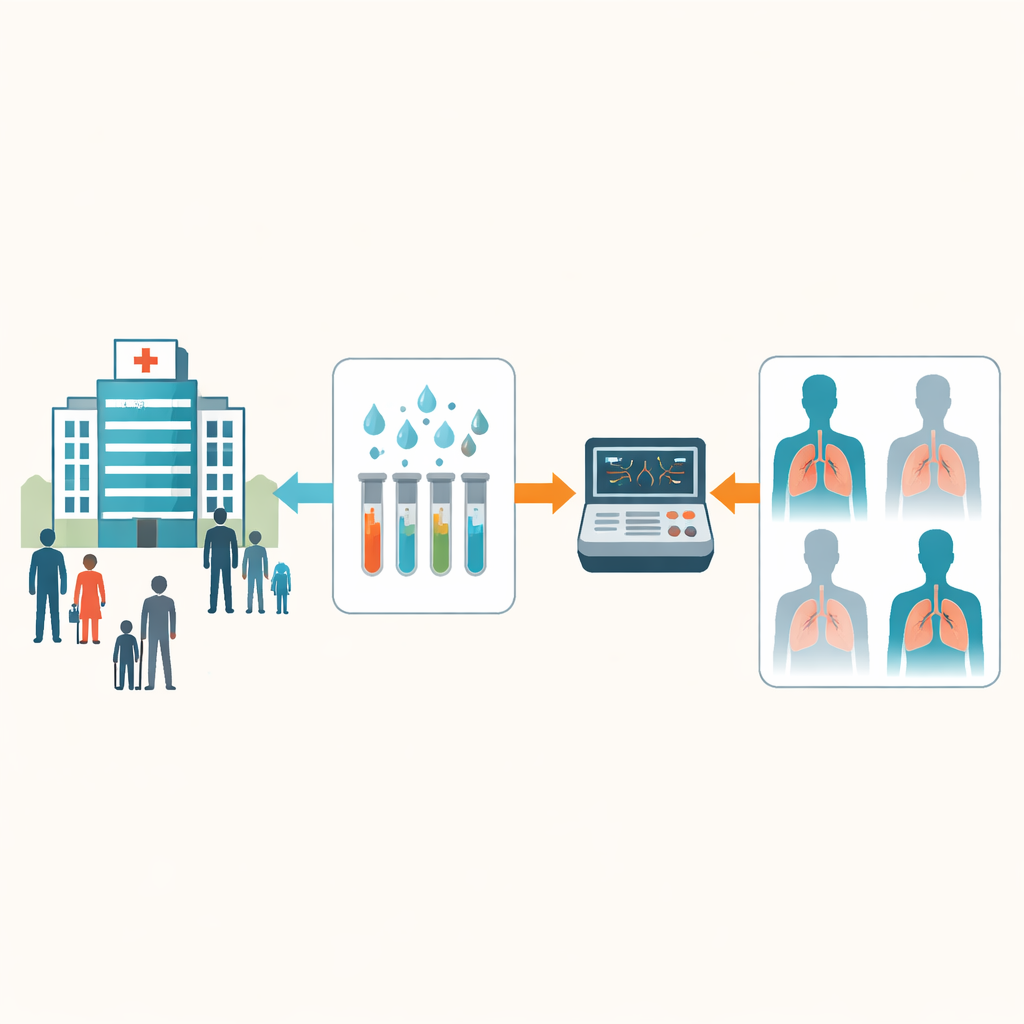
A Persistent Infection with New Twists
Tuberculosis remains one of the world’s leading infectious killers, and progress toward elimination has been slower than hoped. Traditional tests rely on growing the bacterium in culture, a process that is sensitive but imperfect and often fails when only tiny numbers of microbes are present. In recent years, scientists have learned that tuberculosis can pass through early, largely silent stages in which patients may have symptoms or lung inflammation but still test negative by culture. This has prompted calls for better tools to detect these “paucibacillary” stages, where only a small number of bacteria are present.
Putting an Ultrafine Lens on Hospital Samples
The researchers were developing an experimental test called the Totally Optimized PCR (TOP) TB assay, designed to detect extremely small amounts of tuberculosis DNA in respiratory samples. Over six years, they ran three linked studies using discarded sputum and other lung specimens from patients at a large safety-net hospital in Boston and, for comparison, a community hospital serving a population at lower risk for tuberculosis. Importantly, the samples had not been sent for tuberculosis testing; they came from people hospitalized with a wide range of other problems, from breathing trouble to infections and heart disease.
Unexpected Signals in U.S.-Born Patients
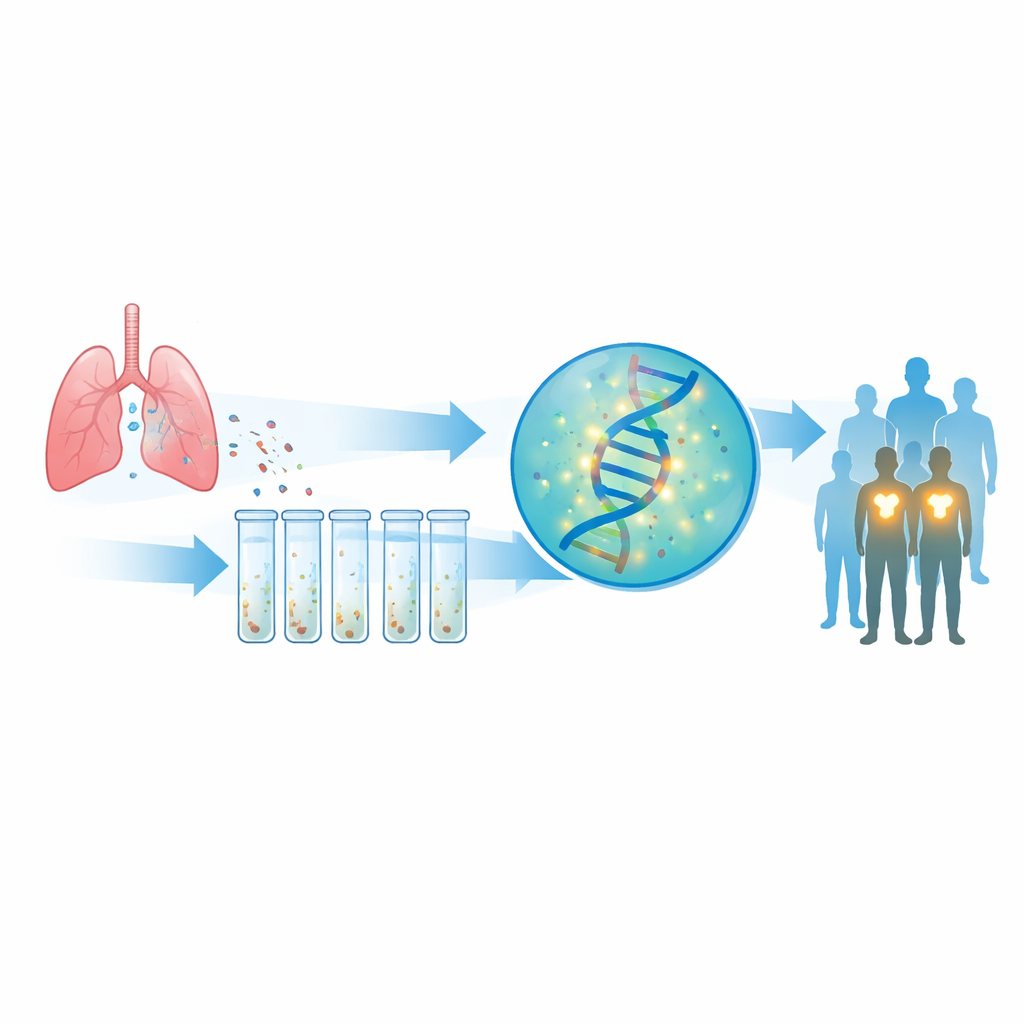
When these samples were examined with the TOP assay, tuberculosis DNA showed up far more often than expected. Roughly 12–16 percent of samples from the safety-net hospital were positive, compared with only 2 percent from the lower-risk control hospital. Most of the positive patients were U.S.-born and older adults, matching the known pattern in which tuberculosis in the United States often represents reactivation of a remote infection acquired years earlier. Standard mycobacterial cultures done afterward were almost always negative, and none of the tuberculosis-DNA–positive individuals went on to develop confirmed tuberculosis disease during about five years of follow-up. This suggests the test is catching something that current tools largely miss: very low-level or unusual forms of infection that may not progress in the usual way.
A Surprising Link to a Painful Blood Disorder
One of the most striking findings involved people with sickle cell disease, a genetic blood disorder that already carries a high risk of lung complications. In the study, the only three patients who developed a dangerous condition called acute chest syndrome—all of whom had sickle cell disease—also had tuberculosis DNA detected in their sputum, while none of the other 85 patients did. Because the numbers are small, this association could be due to chance, but it hints that hidden tuberculosis bacteria or their remnants might contribute to lung crises in some vulnerable patients. Many of the tuberculosis-DNA–positive patients also had features long associated with tuberculosis risk, such as anemia and past evaluation for tuberculosis infection, even though they often tested negative on standard skin or blood tests.
What This Could Mean for Future Care
The authors conclude that an unrecognized, very low–bacteria form of tuberculosis may be more common than currently appreciated, at least in certain hospitalized populations. They stress that finding tuberculosis DNA alone does not yet prove active disease or contagiousness, and they could not show that it directly caused symptoms or death. Still, the results suggest that more sensitive molecular tools may reveal a broader spectrum of tuberculosis-related illness, including links to conditions like acute chest syndrome. Larger, carefully designed studies combining advanced tests with imaging, immune markers, and traditional cultures will be needed to determine whether these faint genetic signals represent harmless debris, early disease that might be treatable, or a new facet of an old foe that public health efforts must learn to confront.
Citation: Jones-López, E.C., Miller, N.S., Orr, B. et al. Unexpected detection of Mycobacterium tuberculosis DNA in US-born patients in putative association with clinical syndromes. Nat Commun 17, 2709 (2026). https://doi.org/10.1038/s41467-026-70890-6
Keywords: tuberculosis, molecular diagnostics, paucibacillary disease, sickle cell disease, respiratory infection