Clear Sky Science · en
Insights into the activation patterns of 1,2-dithiolane unit in biofunctional molecules
Why Tiny Chemical Triggers Matter for Future Medicines
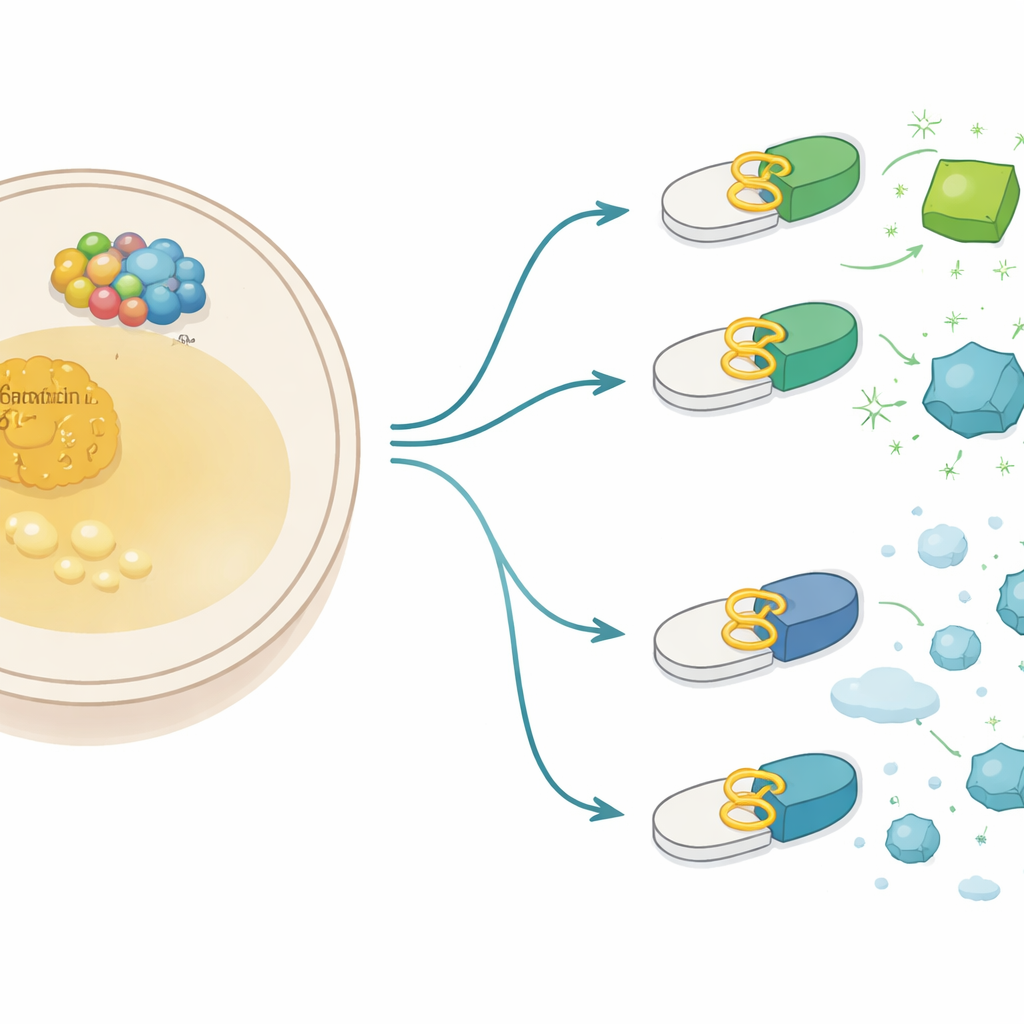
Chemists are learning to hide powerful drugs and fluorescent dyes inside “prodrugs” and molecular probes that only switch on inside specific parts of a cell. One popular trigger, a small sulfur-based ring called 1,2-dithiolane, is easy to build and reacts at just the right speed. But recent reports questioned whether this trigger is truly selective for a key cellular enzyme, thioredoxin reductase (TrxR), or whether it is indiscriminately set off by common cellular antioxidants like glutathione (GSH). This study tackles that controversy head-on and shows that the answer lies not in the trigger alone, but in the way it is wired into the rest of the molecule.
A Cellular Balancing Act of Rust and Repair
Life depends on a delicate balance between oxidants that can damage biomolecules and reducing systems that repair or neutralize that damage. The thioredoxin system, and especially the enzyme TrxR, is one of the cell’s main repair crews. Because TrxR is often overactive in cancer and other diseases, scientists have built fluorescent probes to visualize it and prodrugs that become toxic only when TrxR cuts their activating bond. The five-membered 1,2-dithiolane ring has been widely used as that cuttable unit. Yet a recent study argued that this ring is inherently non-selective and mostly responds to abundant low‑molecular‑weight thiols such as GSH, implying that many existing tools might be misleading.
Whole-Molecule Design, Not Just a Single Switch
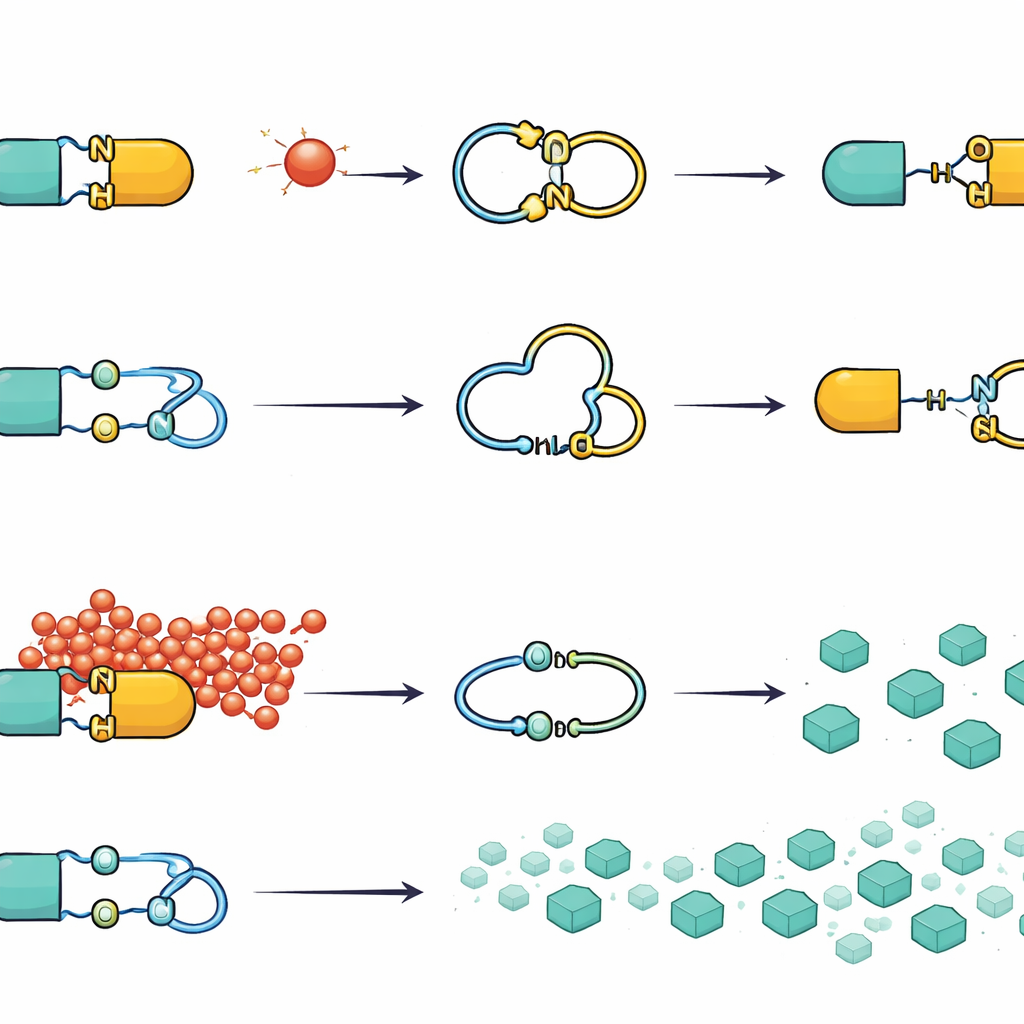
The authors systematically rebuilt 1,2-dithiolane-based molecules to see what truly controls their behavior. They attached the ring either to drugs or dyes that leave as alcohol-type groups (hydroxyl cargoes) or to those that leave as amine-type groups (amino cargoes), and bridged them with different connecting bonds. When the cargo departed through a carbonate link from a hydroxyl group, the resulting prodrugs were easily triggered by physiological levels of GSH as well as by TrxR. In other words, the trigger became “pan-thiol” responsive and lost preference for the enzyme. In contrast, when an amine-containing cargo was connected through a carbamate link, the same 1,2-dithiolane ring now favored activation by TrxR and largely ignored even very high levels of GSH. This shows that the recognition site, the linker, and the cargo act together to steer selectivity.
Zooming In on How the Trigger Fires
Detailed fluorescence measurements and chromatographic analyses revealed how these small structural changes redirect the reaction pathway. For hydroxyl-linked designs, breaking the 1,2-dithiolane ring—whether by GSH or TrxR—readily led to collapse of the nearby carbonate bond and fast release of the drug or dye, explaining their vulnerability to the cell’s plentiful thiols. For amine-linked designs, reduction by GSH tended to be slower and less productive. Much of the reduced intermediate simply reformed the original ring instead of ejecting the cargo, whereas TrxR could orient the ring within its active site to push the reaction through to release. Computer docking simulations supported this picture: only when the ring sat close enough to the enzyme’s critical selenium-containing site did efficient enzyme-driven activation occur.
Probes in Real Cells: Who Really Pulls the Trigger?
The team also revisited a widely used TrxR imaging probe, TRFS-green, whose specificity had been questioned. Using human cancer cells engineered to lack TrxR1, together with selective chemical blockers, they found that the cellular signal from TRFS-green and a related probe, S-Cou, dropped sharply when TrxR1 was absent or inhibited. Although other redox systems in the cell can, in principle, reduce these probes under idealized test-tube conditions, inside living cells TrxR clearly dominates their activation over the timescales relevant for imaging. This reinforces the idea that a probe’s practical “functional selectivity” in its real biological context can be high even if perfect exclusivity is impossible.
What This Means for Future Drugs and Imaging Tools
By disentangling how the trigger ring, the linker, and the cargo cooperate, this work explains why some 1,2-dithiolane-based designs appear non-selective while others report reliably on TrxR. The main message for designers is straightforward: pairing the 1,2-dithiolane unit with amine-based cargoes through carbamate links strongly biases activation toward TrxR, whereas hydroxyl-based carbonate links invite broad attack by cellular thiols. Rather than judging a trigger in isolation, chemists must consider the whole molecular architecture and test it under biologically realistic conditions. These insights provide a roadmap for building sharper probes and smarter prodrugs that can more accurately track, and ultimately manipulate, redox processes in complex diseases.
Citation: Zhao, J., Liu, H., Liu, T. et al. Insights into the activation patterns of 1,2-dithiolane unit in biofunctional molecules. Nat Commun 17, 3921 (2026). https://doi.org/10.1038/s41467-026-70678-8
Keywords: thioredoxin reductase, redox biology, prodrug design, fluorescent probes, glutathione