Clear Sky Science · en
sRNA centered signaling activates nitrate respiration and enhances Cronobacter sakazakii virulence in host environments
Why a baby food germ matters
Cronobacter sakazakii is a bacterium most people have never heard of, yet it can cause devastating infections in newborns, often linked to powdered infant formula. This study uncovers how this microbe senses and exploits conditions inside a baby’s body to fuel its growth and spread. By revealing a hidden energy pathway that powers the bacterium during infection—and showing how to block it—the work points to new ways to protect vulnerable infants beyond traditional antibiotics.
A germ that thrives where oxygen is scarce
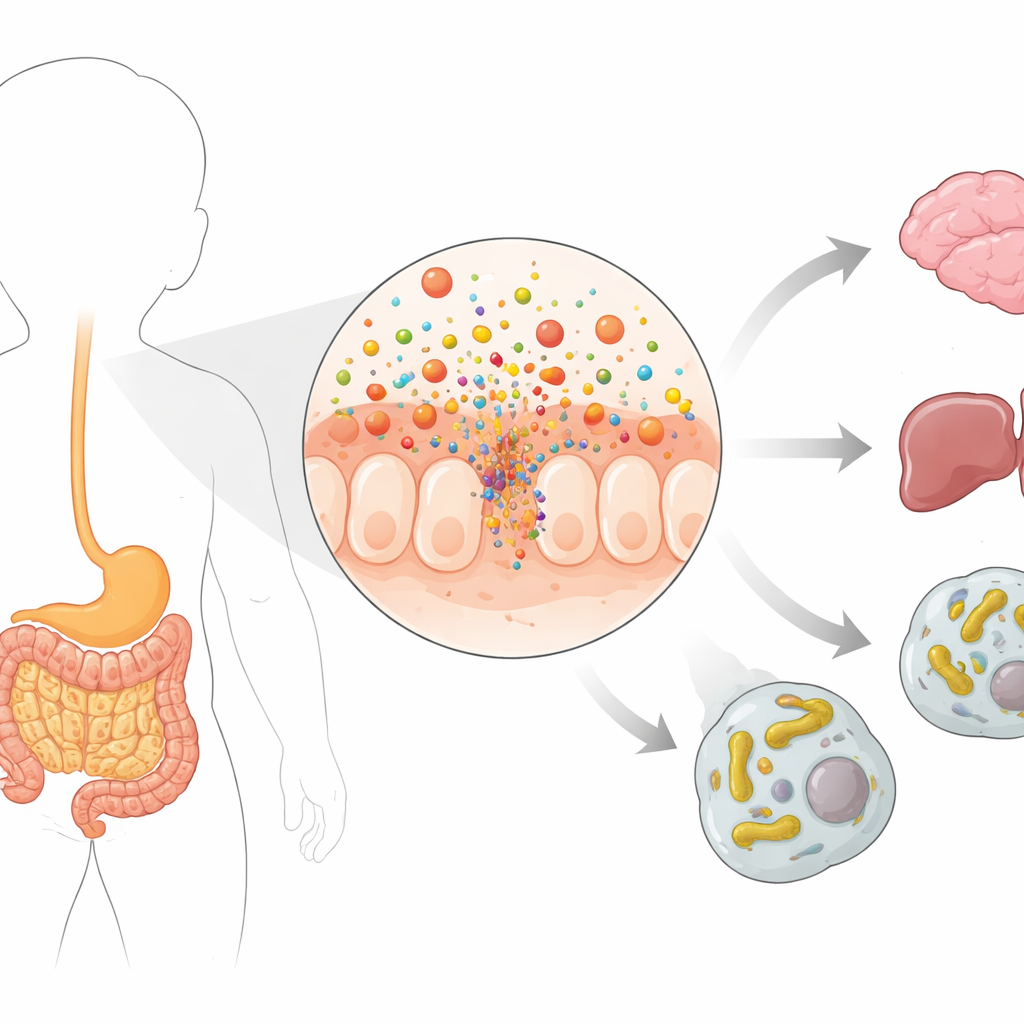
Newborns infected with C. sakazakii can develop sepsis, gut damage, and meningitis, with very high mortality and lasting neurological problems among survivors. Inside the gut and immune cells, oxygen is surprisingly limited. Many bacteria struggle in such low-oxygen niches, but this pathogen turns them into an advantage by switching to “backup” forms of respiration that use chemicals other than oxygen. The authors set out to learn how C. sakazakii taps into these alternative energy sources during infection, and how that ability contributes to its ability to colonize the intestine, survive inside immune cells called macrophages, and spread to organs such as the liver, spleen, and brain.
Inflammation turns the host into an energy buffet
When C. sakazakii infects the intestine, it triggers inflammation. Host cells respond by producing nitric oxide, which is quickly converted into nitrate. In parallel, the gut lumen and the interior of macrophages remain low in oxygen. Together, this creates an environment rich in nitrate—a perfect alternative electron acceptor that bacteria can use to generate energy in place of oxygen. The researchers measured nitrate levels in infected rats and macrophage cultures and found they rose sharply during infection. Genes needed for nitrate transport and processing were also switched on in the bacteria, showing that C. sakazakii actively senses and uses this host-produced nitrate to support its growth under oxygen-poor conditions.
A tiny RNA switch that powers infection
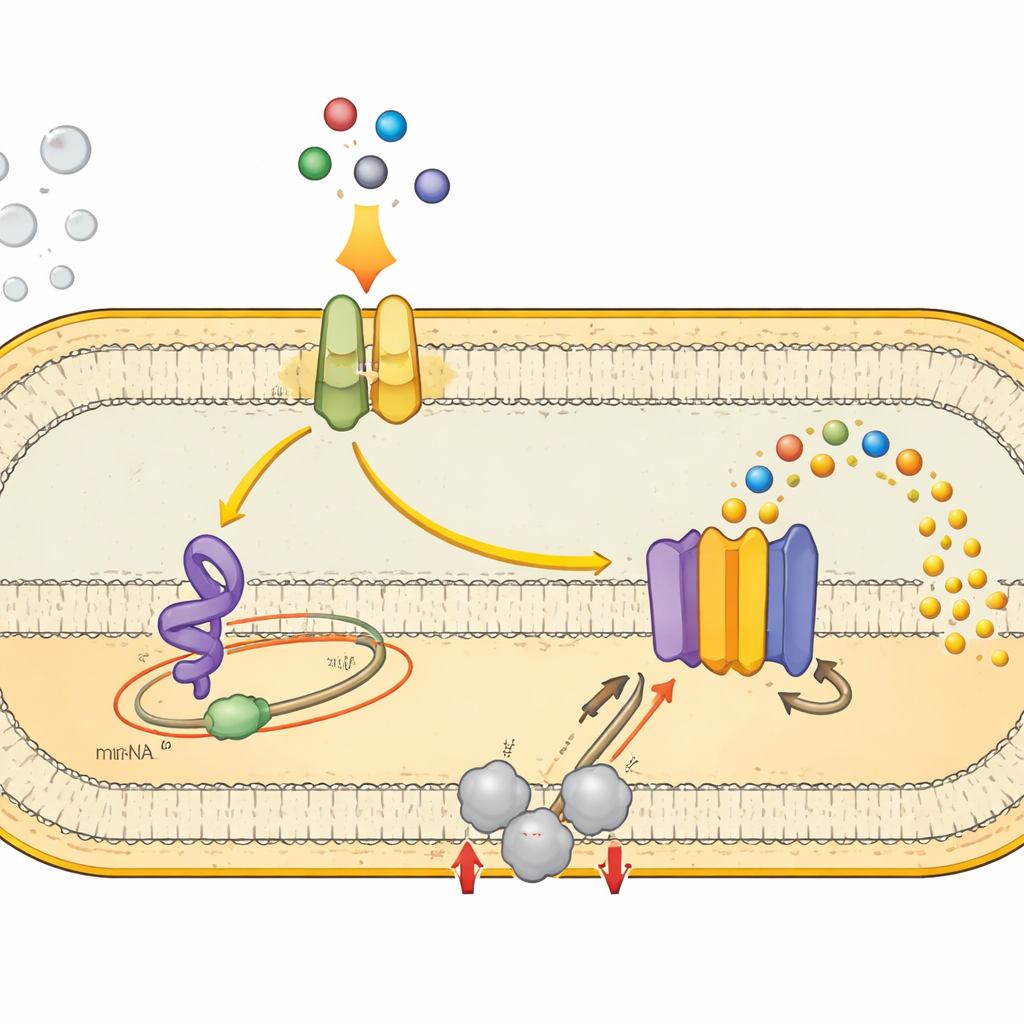
Diving into the bacterium’s genetic controls, the team discovered a small regulatory RNA, dubbed CsrN, that becomes highly active during infection. Unlike typical genes that encode proteins, CsrN works as a short RNA “switch” that latches onto messenger RNA from another gene cluster called narGHJI. This cluster encodes the core machinery for nitrate respiration—a protein complex that reduces nitrate to nitrite, releasing energy. By binding to the front (5′ untranslated region) of the narGHJI message, CsrN protects it from degradation, boosting the amount of nitrate-respiring machinery the cell can build. Bacteria lacking CsrN could still grow in nutrient broth, but they survived poorly inside macrophages and colonized the infant rat gut and organs far less efficiently, leading to milder disease.
How the bacterium senses low oxygen and flips the switch
The study also identified the upstream sensor that tells C. sakazakii when to activate CsrN. A two-part regulatory system, ArcAB, detects low-oxygen conditions. Under anaerobic conditions—such as those in the gut lumen and inside macrophages—ArcAB directly binds to the DNA segment that controls CsrN and turns it on. Once produced, CsrN stabilizes narGHJI, which enables nitrate respiration and efficient ATP production when oxygen is scarce. Removing either ArcA, CsrN, or the narGHJI machinery itself crippled the bacterium’s ability to survive in host tissues and to spread systemically, demonstrating that this ArcA–CsrN–narGHJI pathway is a central engine of virulence.
Shutting down the bacterium’s backup power
Because classical antibiotics can damage developing gut microbiomes and face growing resistance, the authors tested a more targeted strategy: blocking nitrate respiration. They used tungstate, a chemical mimic of molybdate, a metal cofactor required by nitrate-reducing enzymes. Tungstate disrupts these enzymes by swapping into their active sites. In infant rats infected with C. sakazakii, oral tungstate treatment sharply reduced bacterial loads in the intestine and organs and lessened tissue damage, yet left the overall gut microbial community largely unchanged. Importantly, tungstate had no additional effect on mutant bacteria already unable to respire nitrate, confirming that its protective action works through this specific pathway.
What this means for protecting newborns
Put simply, the study shows that C. sakazakii turns host inflammation into fuel. Low oxygen in the gut and inside immune cells, together with inflammation-driven nitrate production, creates the perfect niche for the bacterium’s nitrate respiration system. A small RNA, CsrN, acts as a crucial switch that boosts this system, helping the germ colonize the intestine, survive inside macrophages, and spread through the body. By blocking nitrate respiration with tungstate, the researchers were able to greatly weaken infections in an animal model without broadly disturbing beneficial microbes. These findings highlight nitrate respiration as a promising, highly targeted therapeutic weak point in a dangerous infant pathogen.
Citation: Li, X., Sun, H., Yang, X. et al. sRNA centered signaling activates nitrate respiration and enhances Cronobacter sakazakii virulence in host environments. Nat Commun 17, 3373 (2026). https://doi.org/10.1038/s41467-026-70257-x
Keywords: Cronobacter sakazakii, nitrate respiration, small regulatory RNA, infant gut infection, host–pathogen metabolism