Clear Sky Science · en
SEL1L-HRD1 ER-associated degradation facilitates prohormone convertase 2 maturation and glucagon production in islet α cells
Why hormone quality control matters
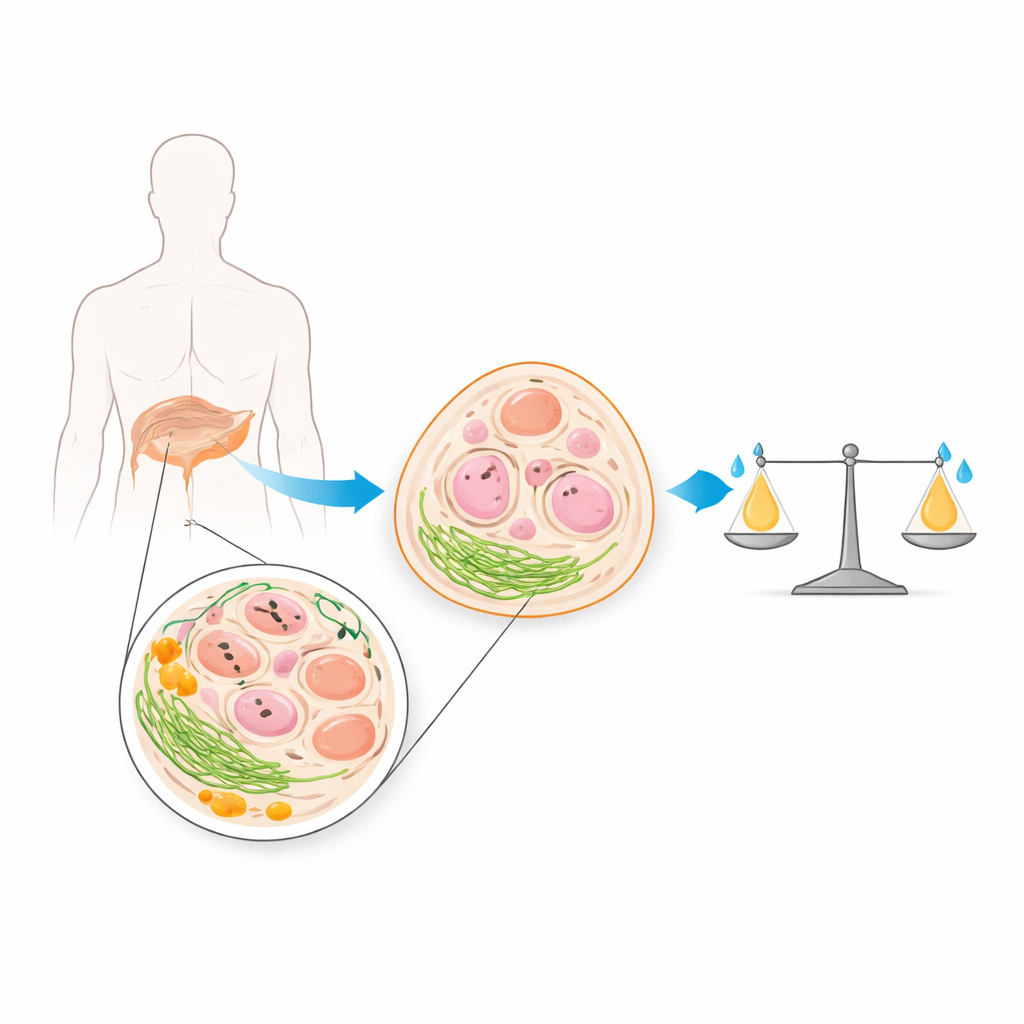
Our blood sugar is kept in check by a constant tug-of-war between two hormones: insulin, which lowers sugar, and glucagon, which raises it. While insulin and the cells that make it have been studied intensely, the partner hormone glucagon and its producers, the pancreatic α (alpha) cells, have received less attention. This study reveals how an internal “quality control” system inside alpha cells helps them build the molecular machinery needed to make glucagon — and what happens when that system breaks down.
The hormone factory inside alpha cells
Alpha cells in the pancreas sit in tiny clusters called islets, alongside insulin-producing β (beta) cells. To make glucagon, alpha cells first produce a larger starting protein called proglucagon, which must be cut into the final hormone. The key cutting tool is an enzyme called prohormone convertase 2 (PC2). PC2 itself starts life as an inactive precursor, proPC2, which must fold properly and be trimmed and packaged before it can work. All of this early folding and checking happens in a cell compartment called the endoplasmic reticulum (ER), a maze of membranes that acts like the factory floor for newly made proteins.
The cell’s clean-up crew: ERAD
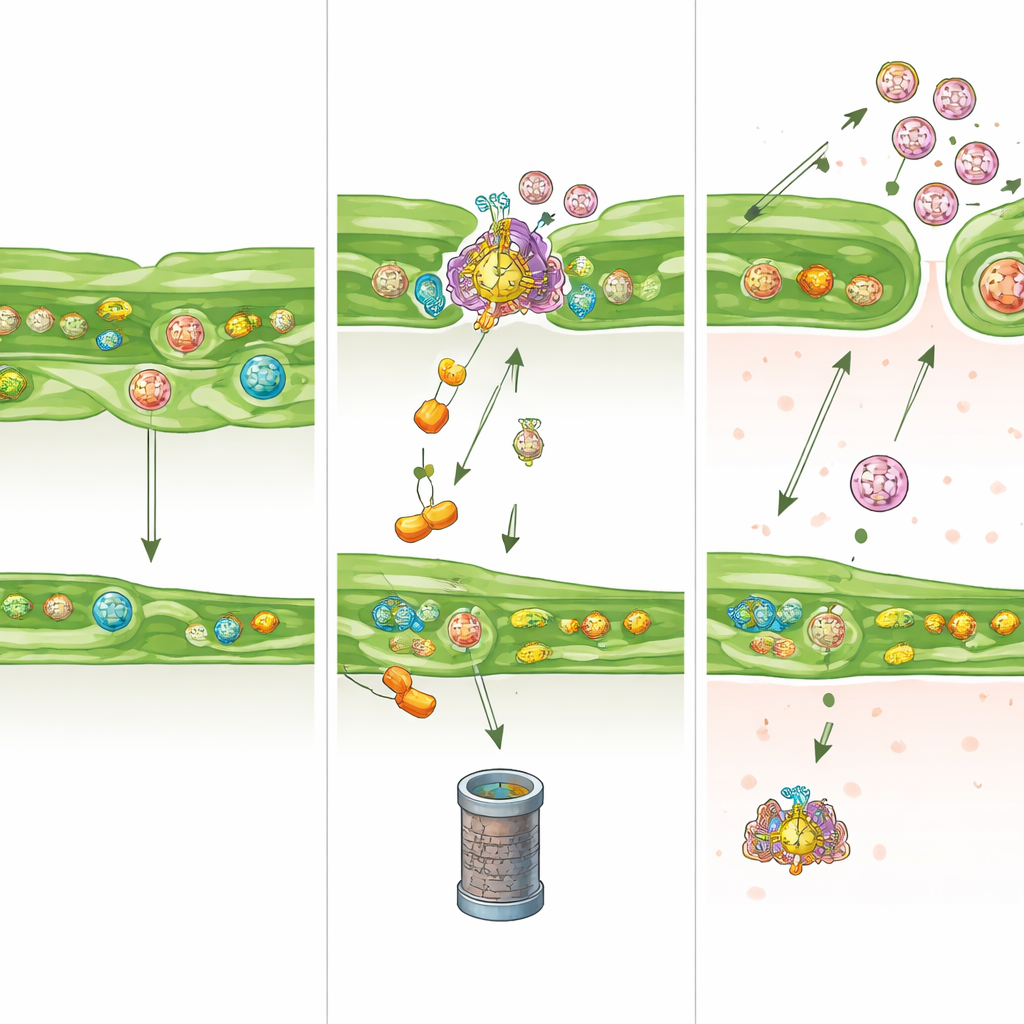
Because so many proteins pass through the ER, cells rely on robust clean-up systems to spot and remove misfolded or damaged molecules. One of the most important is ER-associated degradation (ERAD), in which a protein pair called SEL1L–HRD1 tags faulty proteins and feeds them to the cell’s disposal machinery. ERAD is known to be crucial in many secretory cells, such as insulin-producing β cells and certain neurons. But its role in alpha cells and glucagon production was unknown. The researchers noticed that alpha cells have a large, active ER network, and that SEL1L is present in both mouse and human alpha cells, hinting that ERAD might be just as important here.
What happens when quality control is turned off
To test this, the team engineered mice in which SEL1L was removed specifically from proglucagon-expressing cells, mainly islet alpha cells. These animals grew normally and handled a standard sugar load as well as their littermates, suggesting that insulin function was largely intact. But over time, they had less glucagon stored in their pancreases and released less glucagon when their blood sugar was driven low by insulin. Under the microscope, alpha cells lacking SEL1L showed swollen ER and fewer hormone granules in extreme cases, even though the granules that remained looked normal. The problem was not how well glucagon was secreted once made, but rather how much mature glucagon the cells could produce and store.
Mismanaged enzyme leads to weak hormone output
Diving deeper, the researchers found that the trouble starts with proPC2, the precursor of the glucagon-cutting enzyme. In alpha cells without SEL1L–HRD1, proPC2 built up in the ER along with a smaller, abnormal fragment the authors call proPC2*. These forms clumped into large complexes held together by faulty disulfide bonds. Biochemical tests showed that proPC2 in normal cells is tagged with ubiquitin and degraded by the proteasome in a HRD1-dependent way — meaning proPC2 is a direct ERAD client. When ERAD was disabled, this normal turnover stalled, allowing misfolded proPC2 and proPC2* to accumulate instead of clearing out. As a result, the pool of properly folded, mature PC2 enzyme shrank, and assays confirmed that PC2 activity dropped. With less active PC2, proglucagon was cut inefficiently, so less glucagon — and, to a lesser extent, related peptides like GLP-1 — was produced.
From cell stress to new treatment ideas
These findings position SEL1L–HRD1 ERAD as a gatekeeper for glucagon production: by selectively destroying misfolded proPC2, it protects the integrity of the glucagon-making machinery. When this quality control fails, alpha cells still exist but cannot fully perform their job, storing less glucagon and responding poorly to low blood sugar. Because PC2 also processes several other hormones and genetic variants in its gene have been linked to diabetes risk, this work suggests that tuning ERAD activity could someday help adjust hormone balance in metabolic disease. In simple terms, the study shows that keeping the “tools” inside alpha cells sharp and well-maintained is just as important as having the right number of cells — and that the body’s built-in protein clean-up crew is central to that task.
Citation: Zhu, W., Pan, L., Cui, X. et al. SEL1L-HRD1 ER-associated degradation facilitates prohormone convertase 2 maturation and glucagon production in islet α cells. Nat Commun 17, 3202 (2026). https://doi.org/10.1038/s41467-026-69928-6
Keywords: glucagon, pancreatic alpha cells, protein quality control, prohormone convertase 2, diabetes