Clear Sky Science · en
Carbon-halogen bond substitution enables high-utilization four-electron iodine redox in noncorrosive dilute electrolytes
Why safer, longer-lasting batteries matter
Storing renewable energy cheaply and safely is one of the big hurdles on the road to a low‑carbon future. Aqueous zinc–iodine batteries are attractive because they use abundant materials and water-based electrolytes instead of flammable organic liquids. Yet their promise has been held back by poor efficiency and short lifetimes when pushed to store as much energy as theory allows. This study introduces a clever molecular workaround that lets these batteries tap more of iodine’s energy without resorting to harsh, corrosive salt solutions.
The challenge with today’s zinc–iodine cells
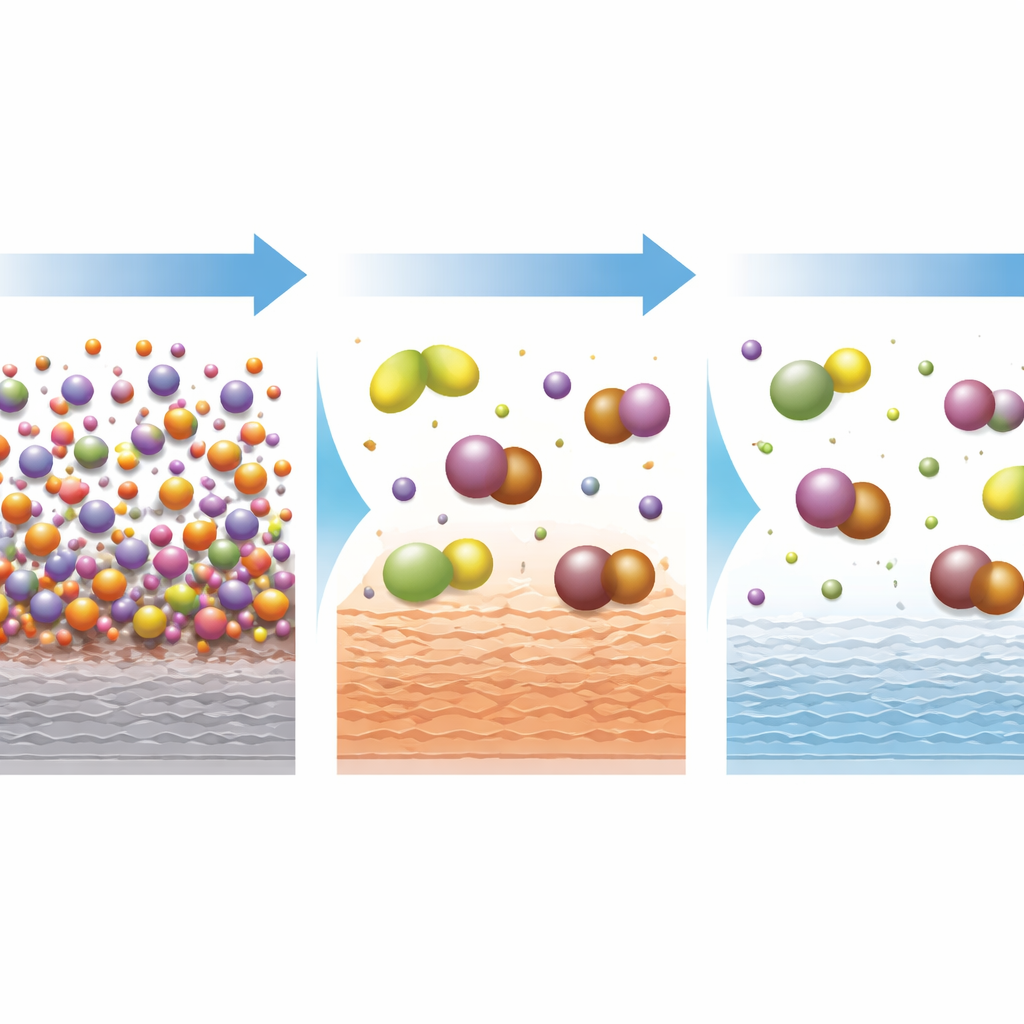
In principle, iodine can take part in a four-electron reaction, meaning each iodine unit can store a lot of charge. In practice, most zinc–iodine batteries only use about two electrons per iodine atom. Pushing to four electrons requires forming highly reactive iodine species in solution, which are usually stabilized by bathing them in concentrated halide salts such as bromide or chloride. Those concentrated electrolytes are corrosive, attacking the zinc electrode, shortening battery life, and adding cost. Worse, the reactive iodine species tend to react with water, creating “shuttle” molecules that drift between electrodes and waste stored energy, especially when the iodine loading is high—exactly when large-scale storage would need them most.
A new helper molecule with a simple twist
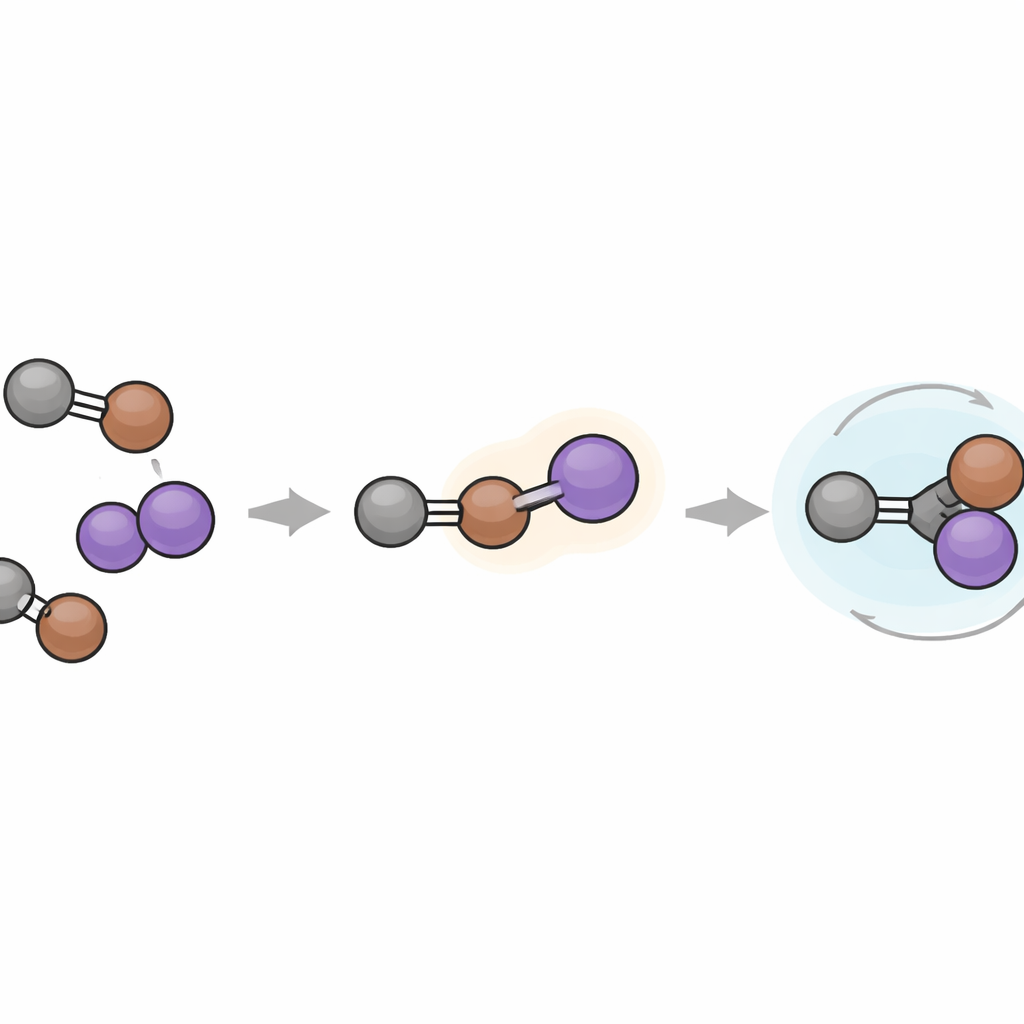
The authors tackle this problem not by making the solution harsher, but by redesigning the local chemistry around iodine. They dissolve a modest amount of an inexpensive organic molecule, 2‑bromoacetamide (BrAce), in a standard zinc sulfate solution. BrAce contains a carbon–bromine bond attached to an amide group that gently pulls electrons. Through a carefully tuned electronic effect, this molecule can briefly trade partners with iodine during battery operation. Instead of iodine mainly forming simple inter‑halogen pairs with bromide (like IBr) that need lots of salt around them, the system forms a transient three‑atom unit where iodine links into the organic backbone. This carbon–halogen “substitution” pathway alters how iodine stores and releases charge.
How the new pathway tames reactive iodine
Using a suite of in situ tools—Raman and infrared spectroscopy, nuclear magnetic resonance, X‑ray photoelectron spectroscopy, ultraviolet–visible absorption, and mass spectrometry—the team tracks what happens as the battery charges and discharges. They show that BrAce repeatedly and reversibly switches between a simple carbon–bromine form and a carbon–iodine–bromine form as iodine moves between its different charge states. This rearrangement lowers the energy barriers for the key reaction steps, so iodine can jump between low and high charge states more easily. At the same time, anchoring the highly charged iodine to the organic fragment makes it much less prone to attack by water, greatly suppressing the formation of wandering polyiodide and polybromide species that cause self‑discharge and corrosion.
From molecular control to practical performance
These molecular advantages translate into striking battery-level gains. In dilute, noncorrosive electrolyte containing 0.7 M BrAce, zinc–iodine cells sustain true four‑electron iodine cycling even when the positive electrode is heavily loaded with iodine (up to 24 milligrams per square centimeter). Under fast charge–discharge conditions, the batteries achieve 55–80% utilization of the theoretical iodine capacity, far higher than in comparable systems using conventional bromide salts, while maintaining stable voltage plateaus that signal healthy reactions. Cells survive thousands to tens of thousands of cycles at high current, and pouch‑cell prototypes with realistic electrode thickness and low electrolyte volumes keep most of their capacity over hundreds of cycles. Meanwhile, the zinc metal surface remains smoother and less pitted, indicating reduced corrosion.
What this means for future grid storage
For a non-specialist, the bottom line is that the researchers have found a way for a simple organic additive to “hold the hand” of reactive iodine inside a water-based zinc battery. By briefly bonding to iodine at just the right moments, the additive allows the battery to safely harvest nearly all of iodine’s potential charge without relying on harsh, concentrated salts. The result is a cheaper, less toxic, and more durable battery chemistry that still packs high energy. Beyond iodine, the design principle—using carefully tuned carbon–halogen bonds to guide how reactive halogen species behave—could inspire a new family of safe, high‑performance aqueous batteries well suited for large-scale renewable energy storage.
Citation: Shi, Z., Tang, Y., Wei, Y. et al. Carbon-halogen bond substitution enables high-utilization four-electron iodine redox in noncorrosive dilute electrolytes. Nat Commun 17, 3048 (2026). https://doi.org/10.1038/s41467-026-69743-z
Keywords: zinc iodine batteries, aqueous electrolyte, organic additives, halogen redox, grid energy storage