Clear Sky Science · en
Bnip3lb-driven mitophagy maintains fate of the embryonic hematopoietic stem cell pool
Why protecting young blood stem cells matters
Bone marrow transplants save lives, but we still struggle to grow enough high-quality blood stem cells in the lab for every patient who needs one. This study uncovers a built-in “self-cleaning” program in embryonic blood stem cells that helps them expand safely without burning out. Understanding and mimicking this program could make lab-grown stem cells more robust and improve future transplant therapies.
Balancing helpful and harmful cell fuel
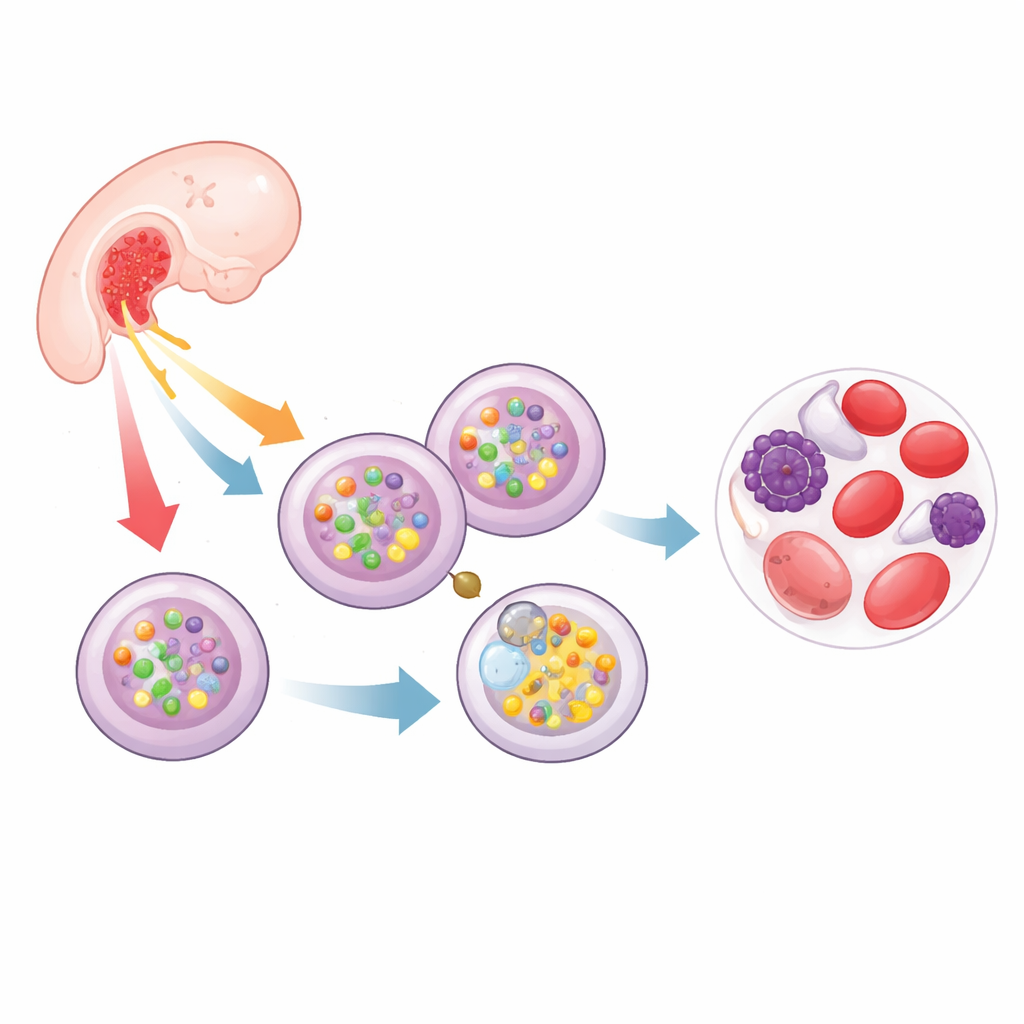
Blood stem and progenitor cells are born in the embryo inside a highly active environment, rich in metabolism and energy production. This activity produces reactive oxygen species, or ROS—chemically reactive by-products that act like tiny sparks. A moderate amount of these sparks is useful, helping trigger the first wave of definitive blood stem cells. But too many can damage DNA and cell machinery, pushing stem cells to die or to mature too quickly. The authors show that as newly formed stem cells leave their birth site and move to expansion areas in the embryo, they need a precise way to dial ROS down while still dividing vigorously.
A mitochondrial clean-up crew turns on at the right time
The team focused on mitophagy, a quality-control process in which cells selectively remove worn-out mitochondria, the main generators of both energy and ROS. Using zebrafish that carry fluorescent reporters, they watched mitophagy switch on just as endothelial cells are transforming into blood stem cells and then as those cells colonize a growth niche in the tail. Single-cell RNA sequencing revealed that genes linked to a receptor-guided form of mitophagy, especially one called bnip3lb, become highly active in these young stem cells, in contrast to adult stem cells, which rely more on stress-triggered pathways. The researchers also found that signals associated with changes in oxygen and metabolism help boost bnip3lb expression at this key developmental window.
What happens when the clean-up fails—or is boosted
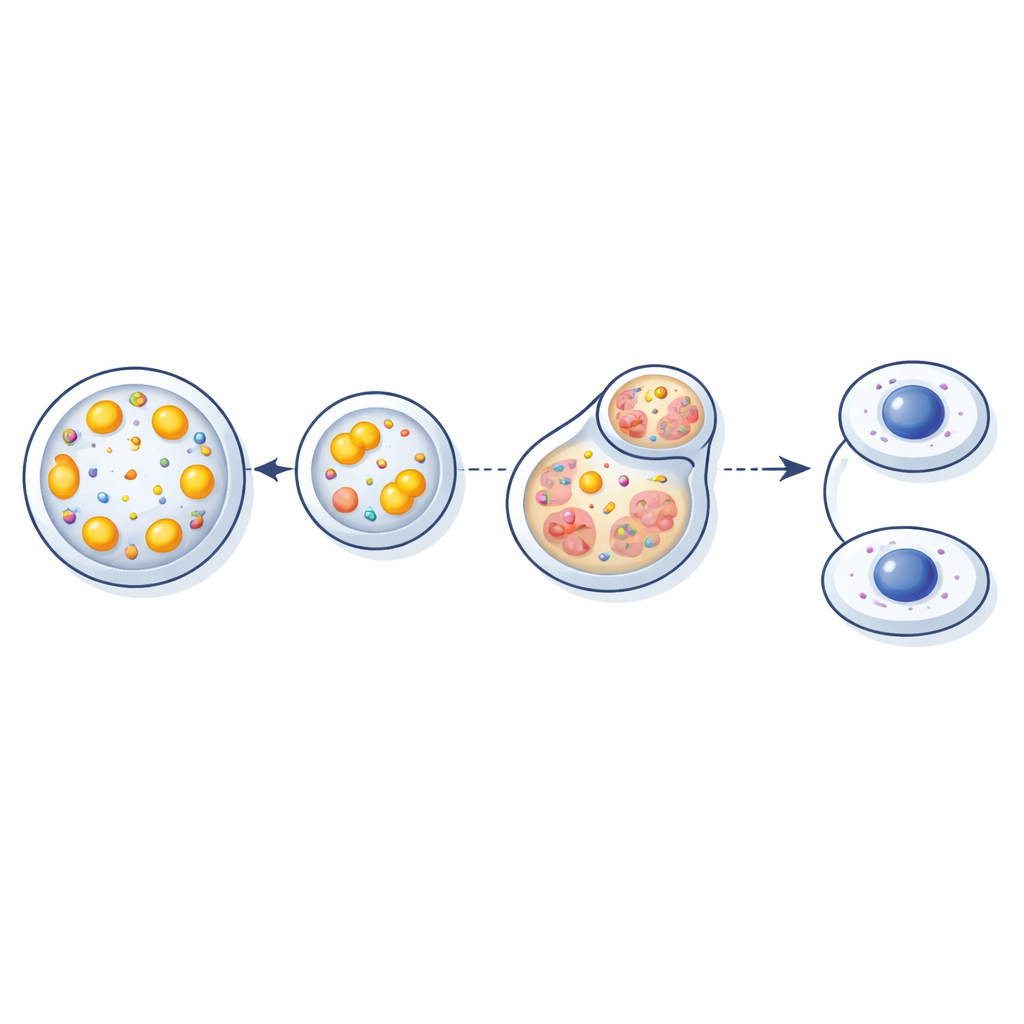
When the scientists blocked bnip3lb in zebrafish embryos, mitophagy dropped and ROS levels rose specifically inside blood stem cells. These cells divided less, died more often, and skewed toward short-lived myeloid fates instead of producing a balanced mix that includes lymphoid cells. As a result, later immune cell populations, such as T cell precursors, were reduced. Importantly, lowering ROS with antioxidants reversed many of these defects, showing that the main role of bnip3lb-driven mitophagy is to keep oxidative stress in check. Conversely, when the team stimulated mitophagy using a genetic switch or small molecules that are known to enhance mitochondrial turnover, the embryos developed larger pools of stem and lymphoid progenitor cells without obvious harm.
From fish embryos to human stem cell cultures
To test whether this principle could help human medicine, the researchers turned to blood progenitors grown from human induced pluripotent stem cells. Treating these cultures with nicotinamide riboside, a vitamin-like compound that promotes mitophagy and is already considered safe in people, lowered ROS levels but did not change the initial number of stem-like cells. Instead, it greatly improved their performance in colony-forming assays, a standard way to measure long-term potential. Cells briefly exposed to mitophagy-boosting compounds produced more colonies of all blood types, including complex multi-lineage colonies, and maintained this advantage through serial replating, a sign of sustained self-renewal.
Implications for future blood stem cell therapies
Overall, the study reveals a developmentally timed, bnip3lb-driven mitophagy program that allows embryonic blood stem cells to expand while staying versatile and alive. By selectively clearing overactive mitochondria, these cells keep ROS levels in a sweet spot—high enough to support early formation, but low enough to prevent damage as the stem cell pool grows. For patients, this work suggests that carefully activating mitophagy, for example with nicotinamide riboside or related compounds, could become a valuable add-on to protocols that aim to make transplant-ready blood stem cells from a patient’s own tissues.
Citation: Meader, E., Walcheck, M.T., Leder, M.R. et al. Bnip3lb-driven mitophagy maintains fate of the embryonic hematopoietic stem cell pool. Nat Commun 17, 3140 (2026). https://doi.org/10.1038/s41467-026-69593-9
Keywords: hematopoietic stem cells, mitophagy, reactive oxygen species, embryonic development, induced pluripotent stem cells