Clear Sky Science · en
Iron deficiency induces maturation-dependent loss of pancreatic β-cells
Why tiny iron levels matter for blood sugar
Most people have heard that too much iron can damage organs, but this study shows the opposite problem can also be dangerous: too little iron at the wrong moment of life can quietly damage the insulin‑producing cells of the pancreas. Because these beta cells control blood sugar, understanding how iron shapes their development could change how we think about childhood nutrition, diabetes risk, and the design of future cell therapies for people with diabetes.
The pancreas’s sugar‑sensing workers
Beta cells sit in small clusters in the pancreas and act as the body’s sugar‑sensing workers. When blood sugar rises after a meal, they release insulin, which tells other tissues to take up and store glucose. To do this job, beta cells lean heavily on tiny power plants called mitochondria. These structures burn nutrients to make energy, and iron is a crucial ingredient in several of their internal parts. The authors asked a simple but previously unanswered question: do beta cells need a steady iron supply during their development, and does that need change with age?
Tracking iron use across the beta cell life span
Using mice of different ages, the team mapped how genes involved in iron handling are turned on or off in beta cells, compared with neighboring hormone‑producing cells. They saw that young beta cells express high levels of the transferrin receptor, a surface “gate” that pulls iron out of the blood, while older beta cells turn this gate down and increase their iron‑storage machinery. When the researchers gently altered iron levels in isolated islets using an iron‑binding drug or extra iron, beta cells rapidly rewired their iron import and storage genes but kept their basic architecture and insulin release intact over the short term. This pointed to a flexible control system tuned to keep iron within a narrow, safe window.
What happens when iron delivery is cut off
To find out what happens when this system fails, the researchers created mice whose beta cells lacked the transferrin receptor from early development onward. 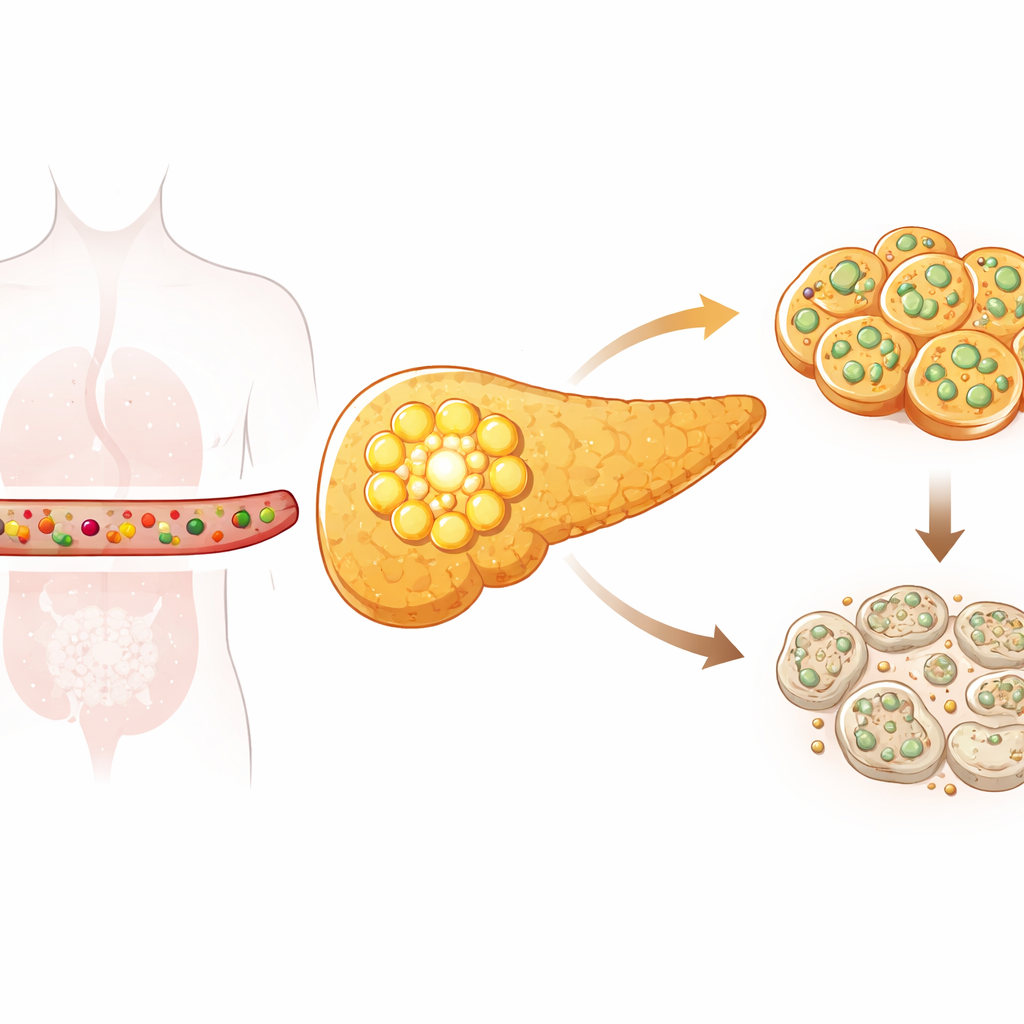
A time‑limited iron dependence
The iron requirement turned out to be strongly age‑dependent. When the transferrin receptor was deleted only in adult beta cells, blood sugar control and cell numbers remained largely normal, suggesting that mature cells can get by with less imported iron, perhaps by recycling or storing it more efficiently. In striking contrast, deleting the receptor in newborn beta cells triggered a wave of cell loss and temporary diabetes before surviving cells without the deletion expanded to compensate. Giving extra iron to the early‑deletion mice, at doses that allow iron to enter through alternative channels, prevented diabetes and preserved beta cells. Similar patterns appeared in human systems: immature beta‑like cells grown from stem cells were highly vulnerable to iron withdrawal, while adult human islets and a human beta‑cell line were more resilient, adjusting their iron‑handling genes without massive cell death. 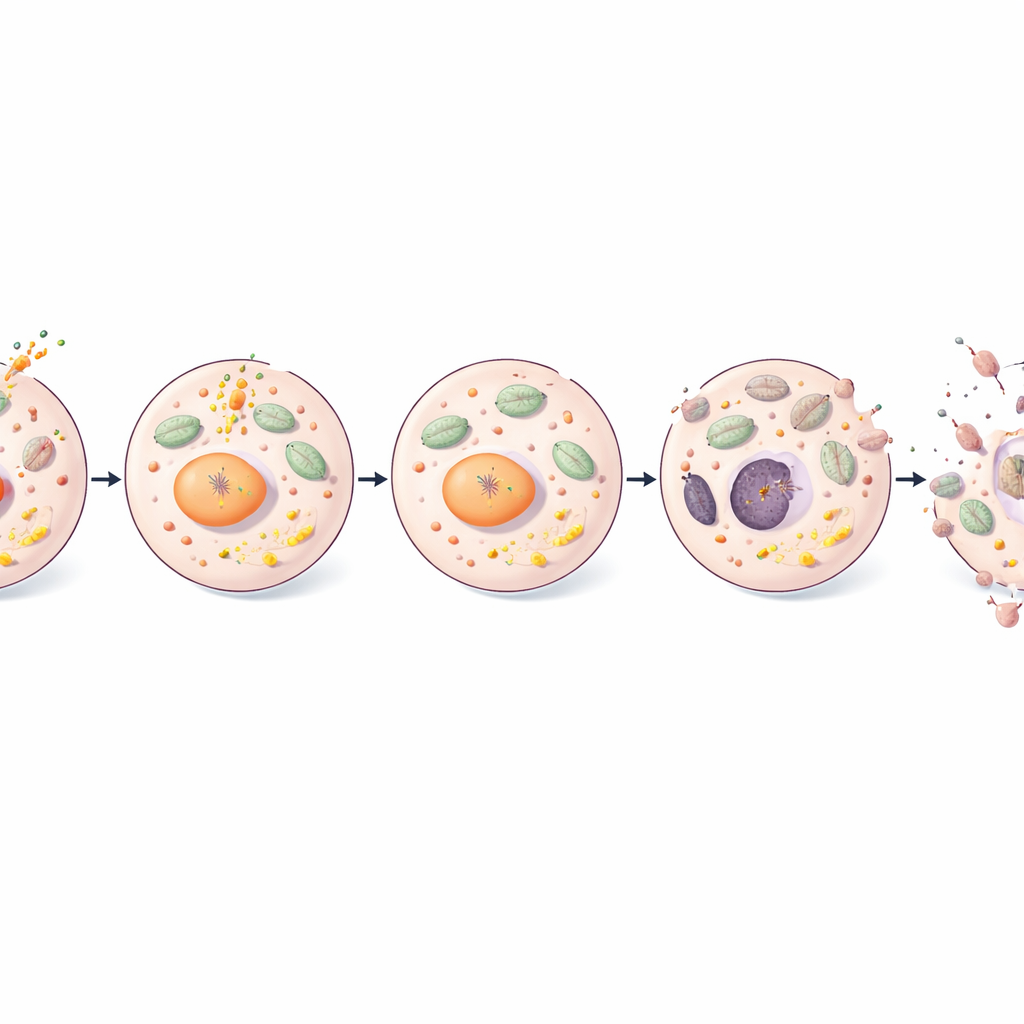
Implications for diabetes and early nutrition
Together, these findings show that iron is not just a passive nutrient but a timing‑specific signal that helps young beta cells complete their maturation into robust insulin producers. If iron is scarce during this window, mitochondria falter, stress pathways switch on, and many beta cells are permanently lost, setting the stage for poor blood‑sugar control. In adults, beta cells rely less on this high‑throughput iron pipeline and instead manage with storage and recycling. For lay readers, the takeaway is that both too much and too little iron can threaten the cells that guard our blood sugar, and ensuring adequate—but not excessive—iron during early life may be important not only for brain development but also for long‑term metabolic health and future efforts to grow replacement beta cells in the lab.
Citation: Van Mulders, A., Willems, L., Coenen, S. et al. Iron deficiency induces maturation-dependent loss of pancreatic β-cells. Nat Commun 17, 2826 (2026). https://doi.org/10.1038/s41467-026-69574-y
Keywords: iron deficiency, beta cells, pancreas, diabetes risk, cell maturation