Clear Sky Science · en
Single-bacterial cell insights into mechanisms of ceftriaxone resistance in Neisseria subflava
When Friendly Germs Turn Troublesome
Our airways are home to many harmless microbes that usually live quietly alongside us. This study explores how one of these quiet residents, a bacterium called Neisseria subflava, can change under antibiotic treatment and start to behave more like a troublemaker. By watching these bacteria adapt to a widely used drug, ceftriaxone, the researchers uncover how everyday medical care might unintentionally help ordinary germs become harder to treat.
From Quiet Passenger to Tough Survivor
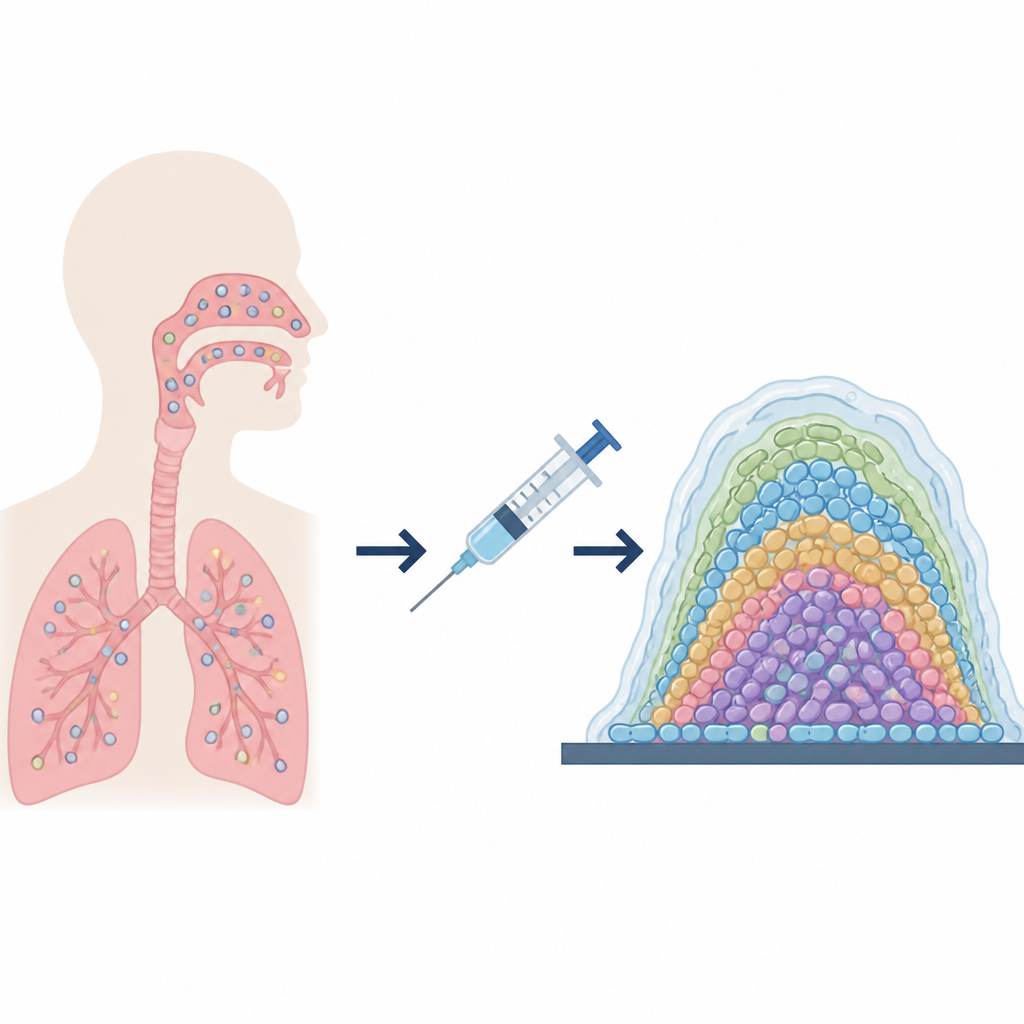
Bronchiectasis and other chronic lung diseases are now known to involve not just classic villains like Pseudomonas aeruginosa, but also lesser-known “pathobionts” that can switch from harmless to harmful. Neisseria subflava is one such resident of the mouth and upper airway, recently linked to bronchiectasis, especially in Asian populations. The team asked what happens when this normally mild bacterium is repeatedly exposed to ceftriaxone, a common third-generation cephalosporin antibiotic used for respiratory infections. Over 26 rounds of increasing drug exposure, they observed more than a 300-fold rise in ceftriaxone resistance, along with striking changes in the bacteria’s appearance and behavior.
Building Protective Cities Called Biofilms
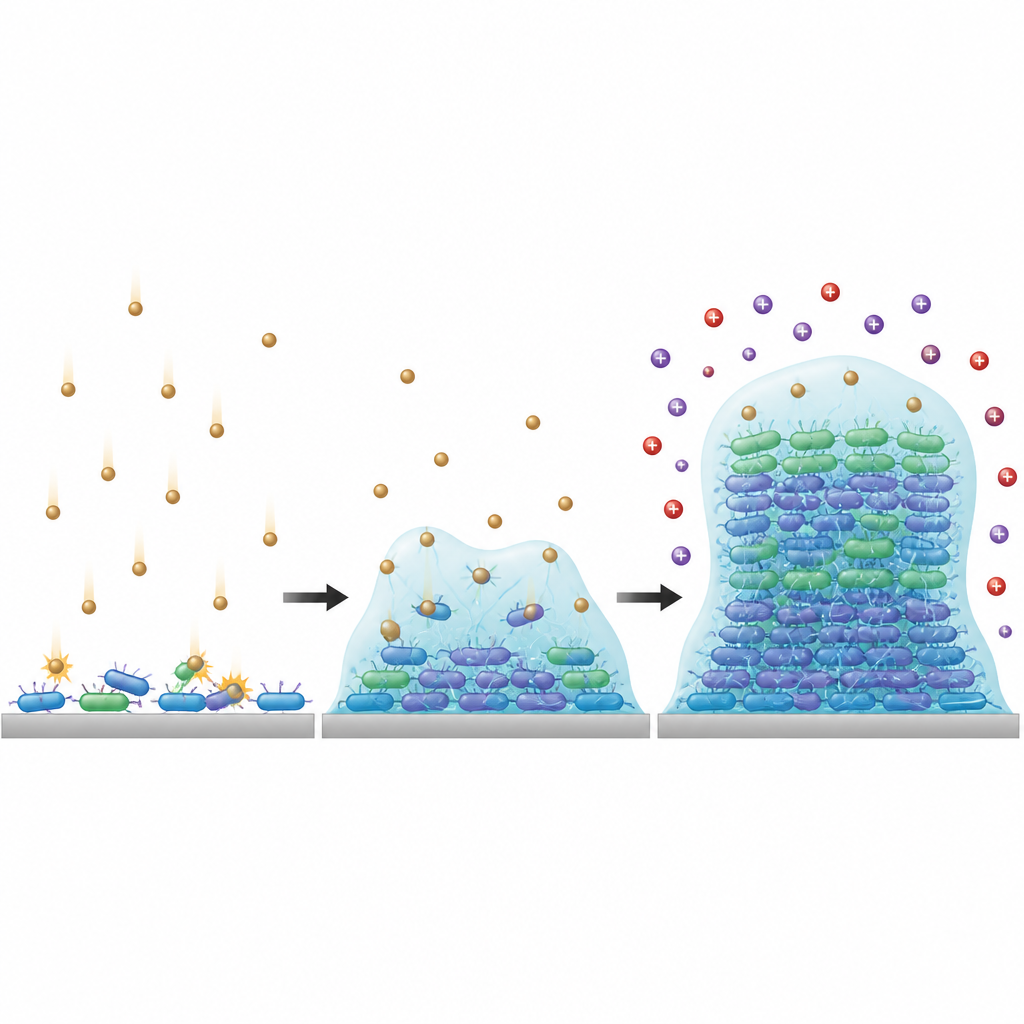
As resistance rose, the bacteria began to form thick, wrinkled colonies and more robust biofilms, which are slimy, layered communities that cling to surfaces and shield their inhabitants. These biofilms make it harder for antibiotics and immune cells to reach the bacteria inside. Genetic analysis showed repeated changes in a stickiness-related gene called ataA and increased activity in other genes that help build and maintain biofilms. Rather than simply surviving by chance, the bacteria seemed to reorganize their lifestyle: strengthening their outer surface, boosting structures that help them attach and cluster, and tuning metabolism to support life inside these protective communities.
Hidden Diversity Inside a Single Bacterial Strain
To see how individual bacterial cells differ from one another, the researchers used single-cell RNA sequencing, a technology that reads which genes are active in thousands of single cells at once. Even when grown in liquid, where biofilms are not obvious to the eye, the resistant population split into several distinct groups, each with its own specialty. Some groups focused on stress protection and repair, others on reshaping the cell wall, and others on handling metals like iron. Two genes, comP and bamE, stood out as key players in resistant clusters, constantly switched on to support pili (hair-like structures) and outer membrane assembly. These functions together reinforce the biofilm’s structure and limit antibiotic entry, suggesting a coordinated survival plan rather than random change.
Iron as a Silent Helper
Iron, a metal that bacteria need in small amounts, emerged as another important factor. Resistant strains stored more iron and turned on iron-related genes, including bacterioferritins that act like tiny metal warehouses. When extra iron was added, resistant bacteria formed thicker biofilms and survived higher doses of ceftriaxone, while iron-chelating chemicals had the opposite effect. This means the local iron environment in the lungs could tilt the balance toward more persistent, drug-tolerant communities, especially in patients already receiving repeated antibiotic courses.
Why This Matters for Lung Health
For a layperson, the key message is that routine antibiotic use can push a normally mild airway resident like Neisseria subflava to reorganize itself into iron-fueled, shielded biofilm communities that resist treatment and evade immune cells. Instead of a single “resistance gene,” the bacterium uses a flexible, multi-step strategy involving surface stickiness, community building, stress management, and metal handling. Understanding this layered defense suggests that future therapies may need to combine antibiotics with treatments that disrupt biofilms or adjust iron availability, aiming to keep peaceful microbes from drifting toward a more harmful, disease-promoting lifestyle.
Citation: Zhang, X., Cheng, H.S., Zhan, X. et al. Single-bacterial cell insights into mechanisms of ceftriaxone resistance in Neisseria subflava. Nat Commun 17, 4532 (2026). https://doi.org/10.1038/s41467-026-68621-y
Keywords: airway microbiome, Neisseria subflava, antibiotic resistance, biofilm, ceftriaxone