Clear Sky Science · en
Complications after radiotherapy in patients with Graves’ orbitopathy: A nationwide cohort study
Why this eye study matters
People with thyroid problems can develop Graves orbitopathy, a condition that makes the eyes bulge, feel dry, and sometimes threatens sight. One long-used treatment is low dose radiation to the tissues around the eyes. Many patients and doctors worry about how often this treatment causes later eye damage or even cancers. This nationwide study from South Korea tracked more than a thousand people to find out how common these side effects really are and which patients are most at risk.
The condition behind bulging eyes
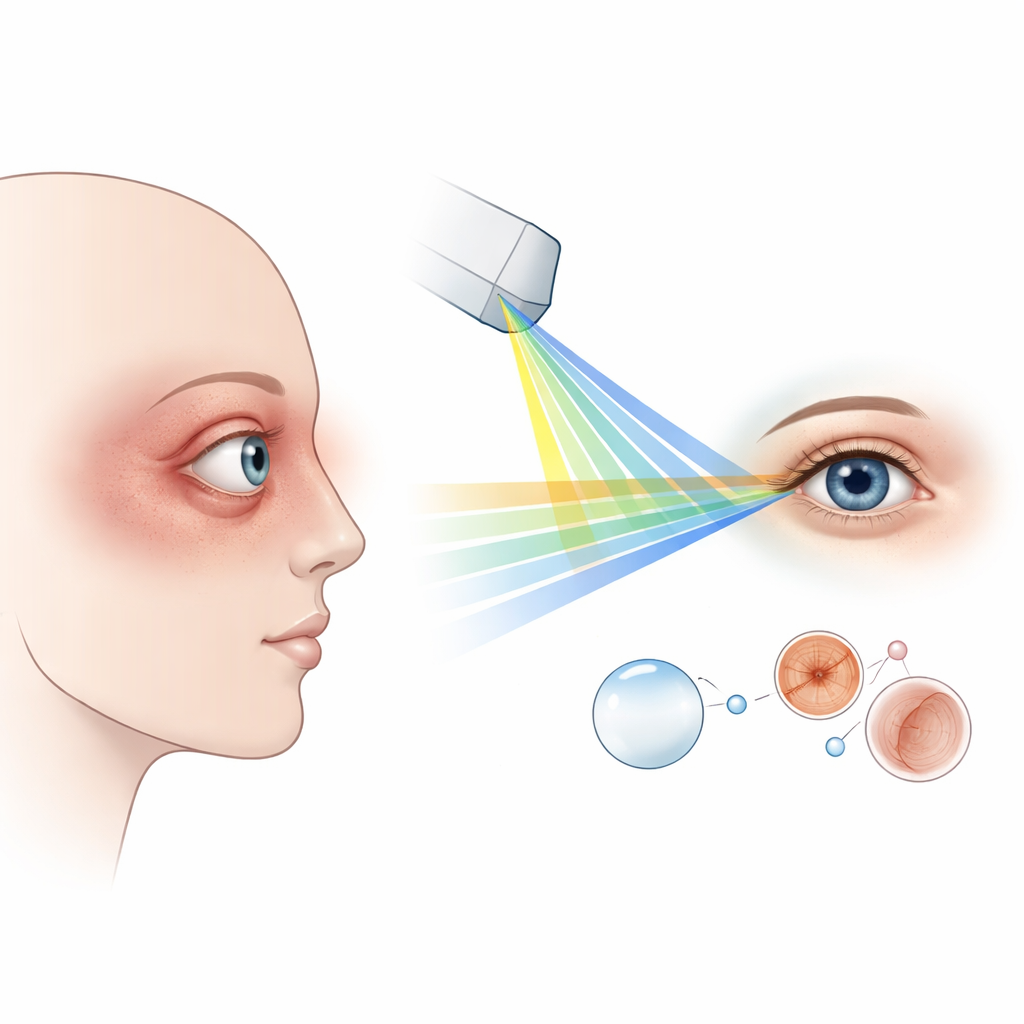
Graves orbitopathy happens when the immune system attacks the muscles and fat that sit behind the eyeball. These tissues swell and stiffen inside the rigid eye socket, which can push the eye forward, cause double vision, and compress the nerve that carries signals from the eye to the brain. Standard first line care uses medicines such as steroids to calm the inflammation. When these are not enough, orbital radiotherapy uses targeted beams to gently damage the overactive immune cells and reduce the swelling around the eye.
Looking across a whole country
To understand long term safety, the researchers used South Korea’s national health insurance database, which covers nearly the entire population. They identified over 44,000 people diagnosed with Graves orbitopathy between 2008 and 2018, then focused on 1108 who received radiotherapy to the eye area. Using diagnostic and procedure codes, they tracked new problems that appeared only after treatment, such as cataracts, radiation damage to the retina, dry eye disease, surface irritation of the eye, eyelid inflammation, and cancers in the head and neck region.
What problems showed up after treatment
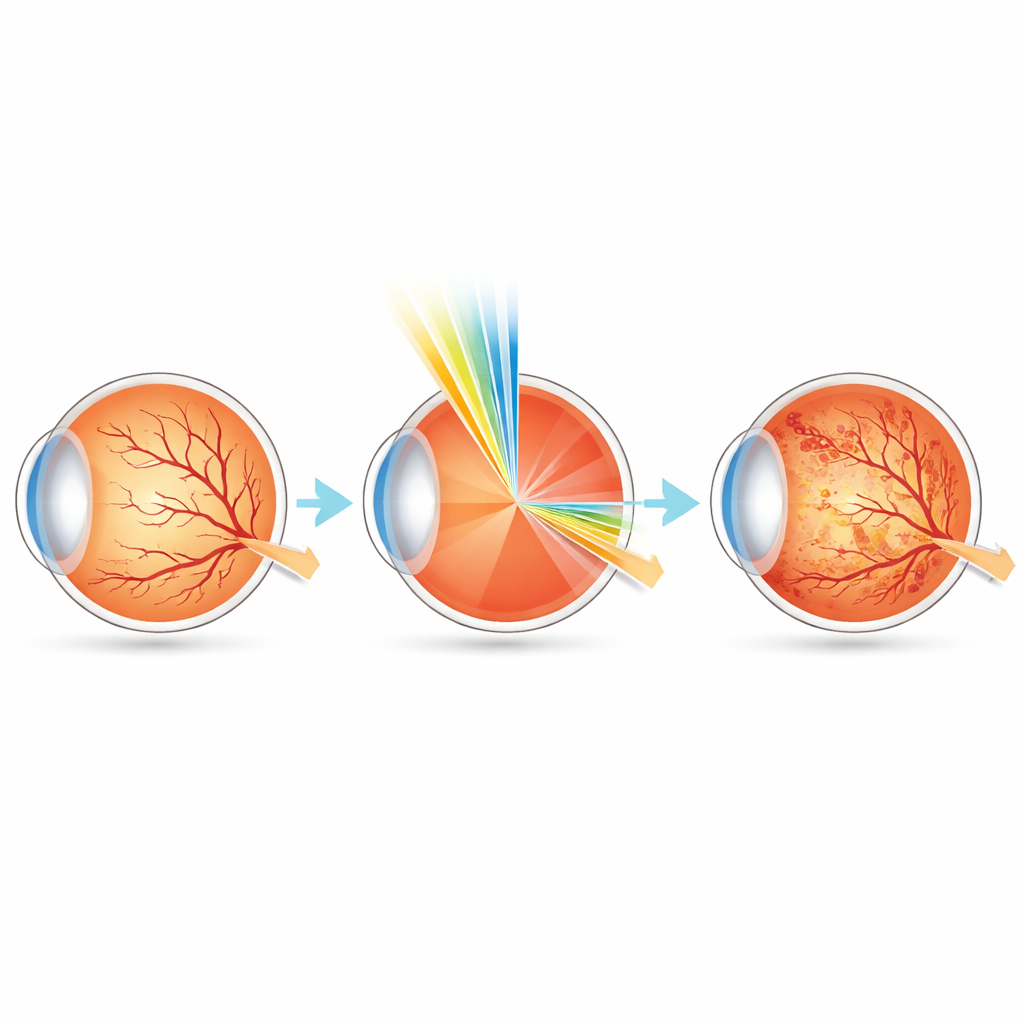
Over a typical follow up of more than three years, 6 percent of patients developed new cataracts, and nearly 4 percent went on to have cataract surgery. Radiation related damage to the light sensing retina at the back of the eye, called radiation retinopathy, appeared in 5.7 percent of patients, often more than a year after treatment and sometimes many years later. New cases of dry eye were less common, affecting about 3 percent, while other surface problems and eyelid inflammation were rarer still. Only two people developed head and neck cancers, and no cases of leukemia or lymphoma were found, suggesting that secondary cancers after this type of eye radiation are uncommon in this group.
Who faced the highest eye risk
The team then asked which patient features made radiation retinopathy more likely. They found that people who went from Graves orbitopathy diagnosis to radiotherapy in a shorter time window were at higher risk. This pattern hints that giving radiation during the most active, inflamed stage of the disease may make already fragile retinal blood vessels more vulnerable. Higher fasting blood sugar levels before treatment also raised risk, even when full blown diabetes itself did not. This suggests that poor sugar control, rather than the diagnosis label, may be what harms retinal blood vessels and makes them less able to tolerate radiation.
What this means for patients and doctors
For people struggling with Graves orbitopathy, orbital radiotherapy remains a useful tool, especially where newer drugs are unavailable. This nationwide study shows that certain complications, especially cataracts and retinal damage, are real but affect only a minority of patients, and serious cancers are rare. The findings highlight the importance of careful timing of treatment and good blood sugar control, as well as eye checkups for years after therapy. By weighing these risks against the benefits of easing pain, double vision, and possible vision loss, patients and doctors can make more informed choices about when and how to use radiotherapy safely.
Citation: Lee, J., Ahn, H.Y., Heo, J.S. et al. Complications after radiotherapy in patients with Graves’ orbitopathy: A nationwide cohort study. Eye 40, 1067–1073 (2026). https://doi.org/10.1038/s41433-026-04284-9
Keywords: Graves orbitopathy, orbital radiotherapy, radiation retinopathy, cataract risk, thyroid eye disease