Clear Sky Science · en
Navigating direct-to-consumer genetic testing: experiences, decisions and perspectives of Dutch users
Why mail-in DNA tests matter to everyday people
Spit-in-a-tube DNA kits promise to tell us everything from our disease risks to which foods suit us best, all without visiting a doctor. This study looks behind that promise by following the real-life journeys of twenty people in the Netherlands who bought health-related genetic tests directly from companies. Their stories reveal not only curiosity and hope, but also confusion, worry, and extra pressure on regular healthcare. Understanding how people actually use and experience these tests can help shape safer, fairer ways to offer them.
How people first hear about DNA tests
The Dutch users in this study discovered direct-to-consumer genetic testing through many routes: friends who had already done a test, social media, TV and radio, online ads, and especially alternative health practitioners who recommended specific companies. First impressions were mostly positive. Many saw the tests as exciting, eye-opening tools that finally made high-tech genetics feel accessible. Some were more cautious, worrying about privacy or doubting whether the results would be reliable. Before buying, most people mainly looked up practical details—what traits were tested, how to send in a sample, and what the test might cost—rather than digging deeply into scientific accuracy or possible downsides.
What people hope to gain from testing
When deciding whether to test, many participants hoped to learn about their disease risks, how their bodies process medicines, and which diets or supplements might suit them. For some, this was driven by simple curiosity and a desire to "know themselves" in a new way. Others had longer histories of vague or unexplained health complaints and felt unheard by regular doctors. For them, a commercial DNA test seemed like a path to recognition and solutions after years of frustration. A few participants also wanted information relevant for family planning, such as whether they carried inherited disease risks, or they saw the health report as a bonus on top of ancestry insights. Although some did worry about discovering frightening risks or about data privacy and insurance problems, several admitted they had not really thought through the possible negative consequences at all.
From raw results to real-world actions
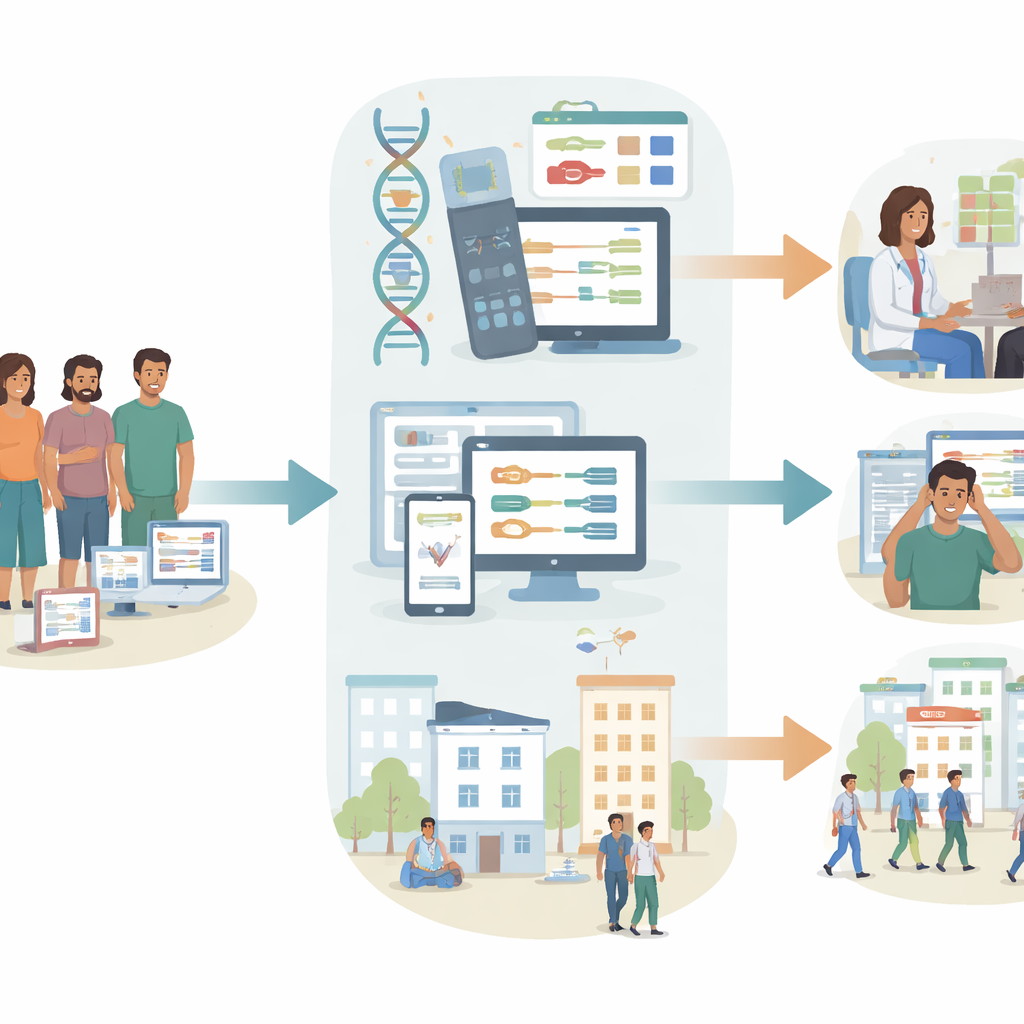
Once their online dashboards lit up with results, most people eagerly clicked through everything at once. Color codes and simple risk rankings strongly guided what they paid attention to. Some received tailored lifestyle tips and made real changes: adjusting their diet, starting supplements, or exercising differently, often with the encouragement of alternative practitioners who interpreted the reports and sold related products. Others shared their results with regular doctors to check unusual findings, fine-tune drug doses, or look for explanations of long-standing symptoms. Experiences in the clinic varied. Some doctors took the results seriously and ordered follow-up tests; others dismissed them as unreliable. A few people interpreted their reports as reassuring evidence that they were not at increased genetic risk for diseases already present in their families, even when the test technology was too limited to truly rule that out.
Hidden strains and emotional side effects
While many participants were satisfied and even enthusiastic—often recommending tests to friends, relatives, or even their own children—the study also uncovered worrisome patterns. Some individuals felt strong anxiety when confronted with red flags for serious diseases, and at least one later learned that a clinical-grade test did not confirm the alarming result. Others used their reports to make medical decisions on their own, such as stopping prescribed medication or skipping a COVID-19 vaccination, without consulting a physician. These stories highlight how a product marketed as a personal wellness tool can spill over into the public healthcare system, as people seek clarification, follow-up testing, or reassurance from already busy clinics.
What needs to change to make testing safer
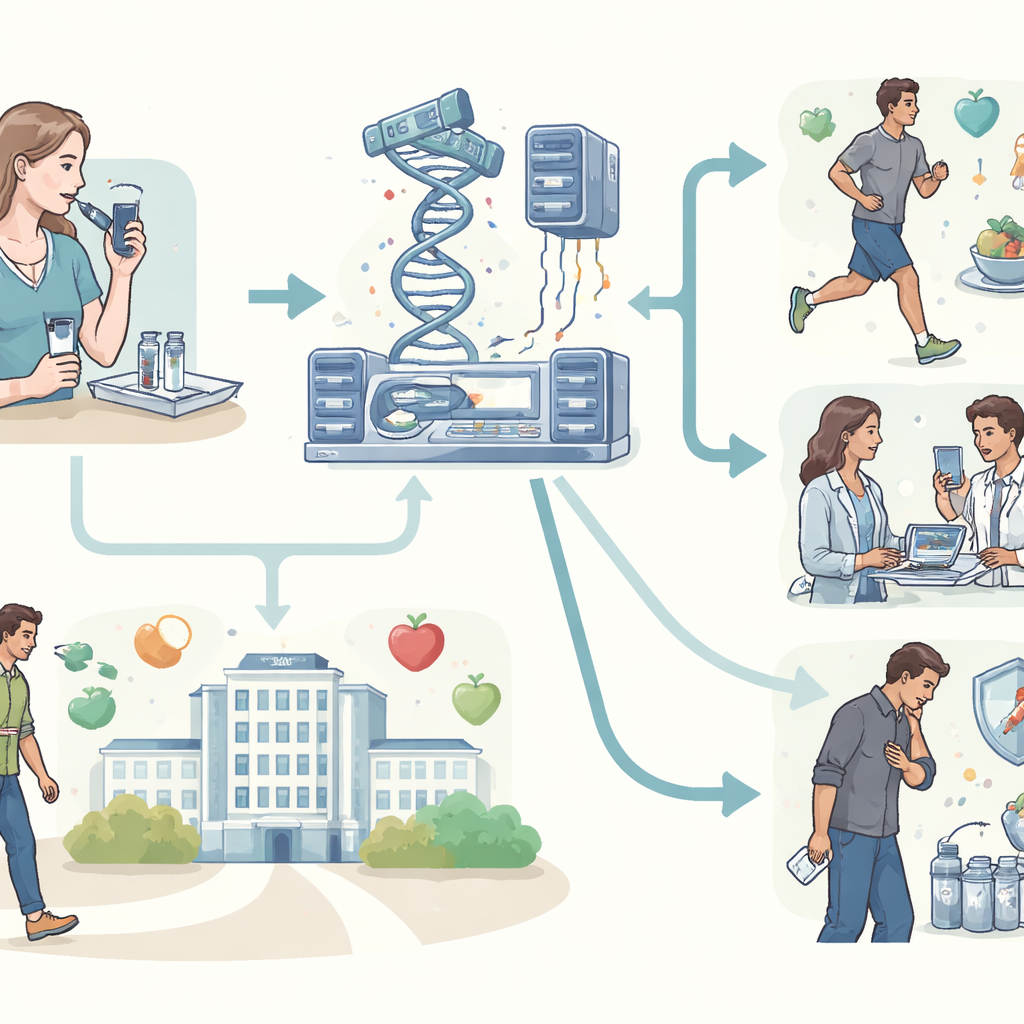
The researchers conclude that, to support responsible use of health-related DNA tests, several changes are needed. First, independent and easy-to-understand information should be available before people buy a kit, clearly explaining both the limits and possible harms of such tests—not just their promise. Second, healthcare professionals in the regular system need better training and guidance so they can interpret consumer test reports and counsel worried patients without adding confusion. Third, because testing companies operate across borders, stronger shared rules and enforcement are needed to ensure basic quality, fair marketing, and proper support before and after testing. If these steps are taken in cooperation with consumers, doctors, policymakers, and industry, mail-in DNA tests may better help people understand their health without exposing them—or the healthcare system—to unnecessary risks.
Citation: Bruins, D., Bührman, E.A.M., Cornel, M.C. et al. Navigating direct-to-consumer genetic testing: experiences, decisions and perspectives of Dutch users. Eur J Hum Genet 34, 480–490 (2026). https://doi.org/10.1038/s41431-026-02022-z
Keywords: direct-to-consumer genetic testing, health decision-making, genetic risk information, patient experiences, health policy