Clear Sky Science · en
Dual inhibition of xCT and GGCT induces ferroptosis in glioblastoma cells by depleting cysteine and disrupting redox homeostasis
Why starving brain tumors of protection matters
Glioblastoma is one of the deadliest brain cancers, in part because its cells are very good at shielding themselves from damage caused by reactive molecules known as oxidants. This study explores a new way to strip that shield by cutting off two key internal supply lines, forcing tumor cells into a type of iron-driven cell death called ferroptosis. The work suggests a possible future treatment that weakens cancer cells’ defenses while sparing healthy cells.
How brain tumors keep their internal balance
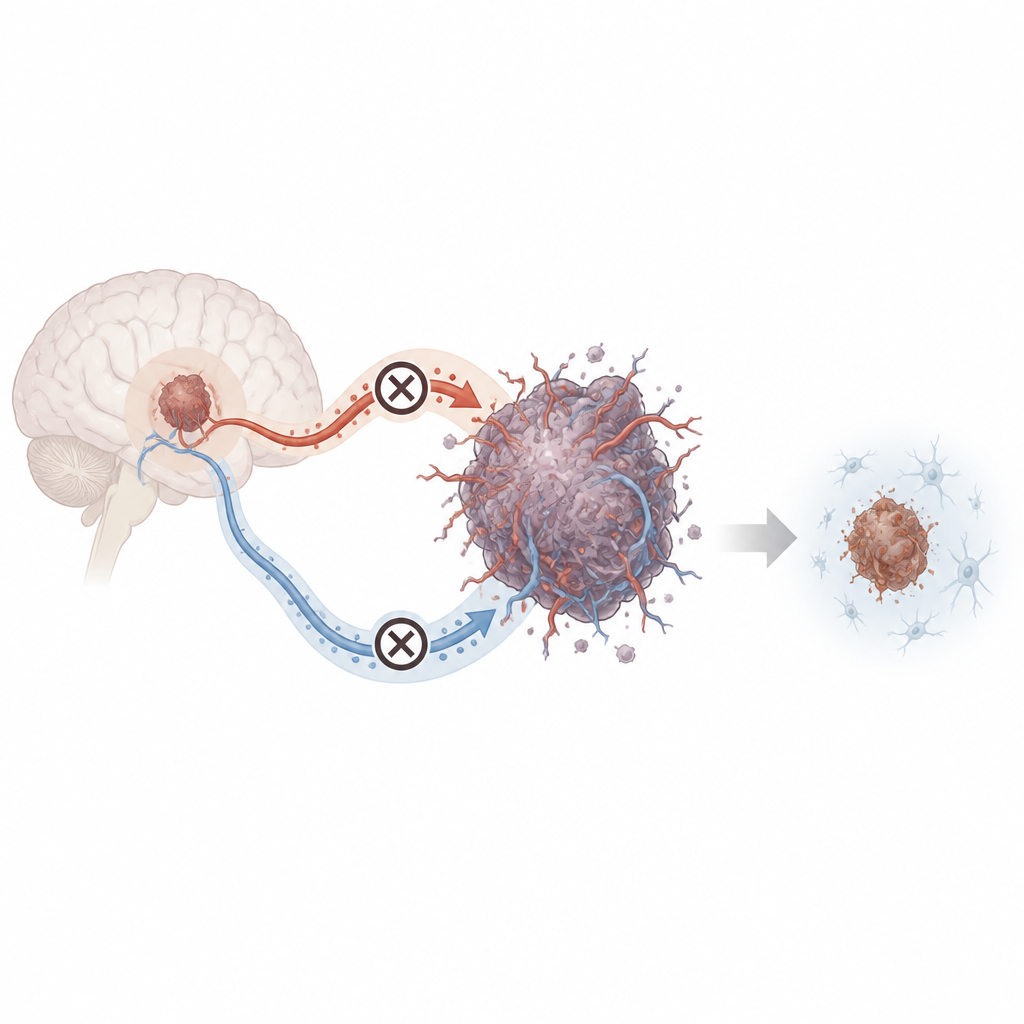
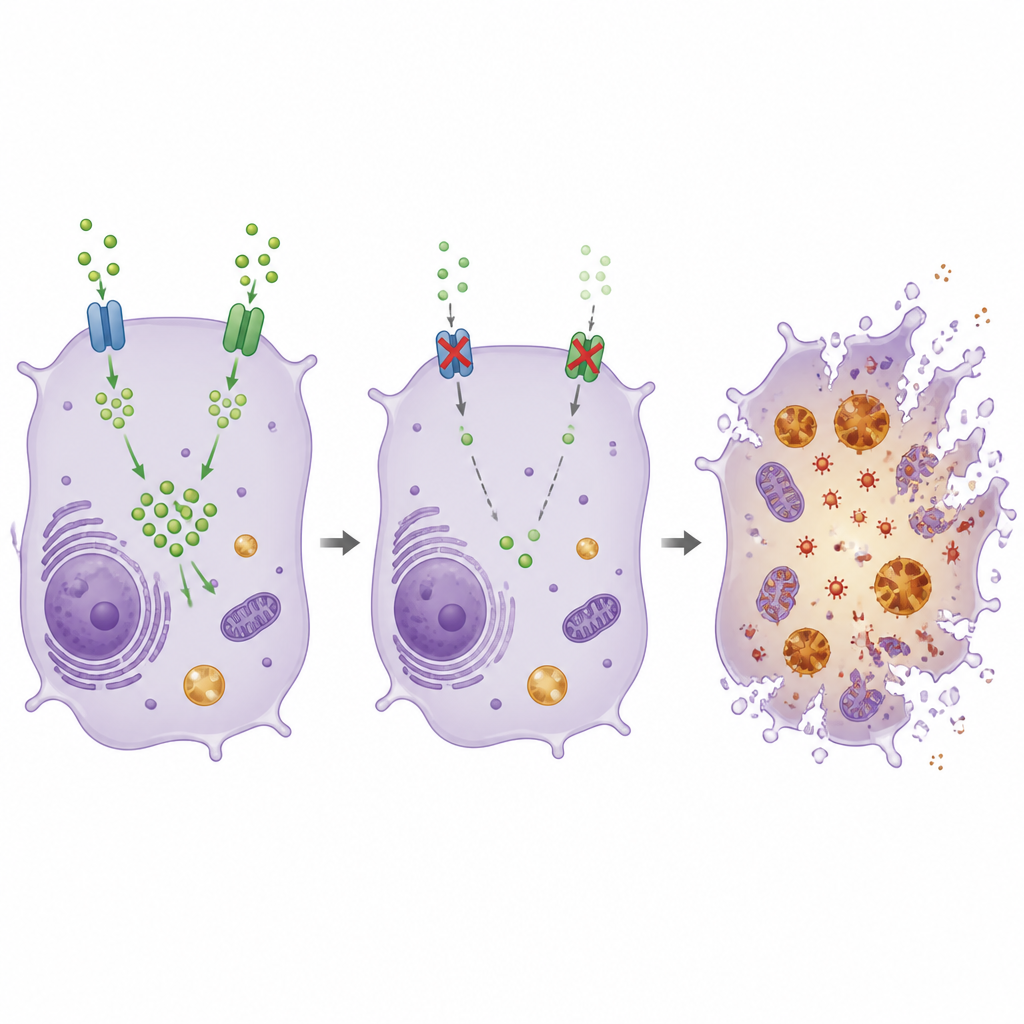
Glioblastoma cells live under constant stress but survive by maintaining a delicate chemical balance known as redox homeostasis. At the heart of this balance is glutathione, a small molecule that mops up harmful reactive oxygen species before they damage cell membranes and DNA. Making glutathione requires the amino acid cysteine. Tumor cells import cystine, a related molecule, from outside the cell through a transporter called xCT and convert it to cysteine. They also recycle cysteine internally through an enzyme called GGCT, which breaks down glutathione and feeds its components back into the cell’s antioxidant system. Together, xCT and GGCT act as twin lifelines that keep the cancer’s protective shield intact.
Finding and hitting the cancer’s backup plan
The researchers discovered that both xCT and GGCT are produced at high levels in glioblastoma cells and in glioblastoma stem cells, which are thought to drive relapse. Blocking either one alone slowed tumor cell growth but did not fully stop it, suggesting that the cancer could fall back on the remaining pathway. When the team used a GGCT-blocking drug called pro-GA together with xCT blockers such as erastin or its more stable cousin IKE, the two drugs worked together more strongly than expected. Cell growth dropped sharply, while normal blood immune cells remained largely unaffected, indicating a degree of selectivity for tumor tissue.
How cutting off cysteine pushes cells into fatal stress
To understand what was happening inside the cells, the team measured key chemical changes. Combined treatment with pro-GA and xCT inhibitors caused a steep drop in cysteine and in reduced glutathione, leaving the cells with far fewer antioxidant reserves. At the same time, there was a surge in reactive oxygen species, including inside mitochondria, and a rise in lipid peroxides, unstable molecules that damage cell membranes. These signs all point to ferroptosis, an iron-dependent form of cell death linked to runaway lipid oxidation. Supporting this view, drugs that specifically block ferroptosis or bind iron reversed the cell-killing effect, and adding an external source of cysteine, N-acetylcysteine, restored antioxidant levels and rescued cell survival.
Proof in mouse models without clear body-wide harm
The scientists then tested the strategy in mice with human or mouse glioblastoma cells implanted in their brains. When animals received both pro-GA and IKE, tumor signals measured by imaging dropped much more than with either drug alone, tumor sections under the microscope showed smaller cancer masses, and survival times were extended. Importantly, the mice did not lose significant weight, and their liver and kidney tissues looked healthy by standard staining. Chemical analysis of brain tumors confirmed that cysteine and glutathione levels were reduced by the combined treatment, and staining for 4-hydroxynonenal, a byproduct of lipid damage, was highest in the dual-therapy group, again consistent with ferroptosis inside the tumors.
What this could mean for future brain cancer care
Overall, the study shows that glioblastoma cells rely on a two-pronged supply of cysteine, from outside via xCT and from inside via GGCT, to keep their antioxidant shield in place. Shutting both routes at once drains this shield, triggers uncontrolled oxidative damage, and pushes cancer cells toward ferroptotic death, including the hard-to-kill stem-like cells thought to fuel relapse. While this work is still preclinical and many questions remain about drug delivery into the human brain and long-term safety, it offers a clear, mechanistic rationale for therapies that target these twin pathways to make glioblastoma more vulnerable.
Citation: Mori, M., Ii, H., Matsumura, M. et al. Dual inhibition of xCT and GGCT induces ferroptosis in glioblastoma cells by depleting cysteine and disrupting redox homeostasis. Cell Death Discov. 12, 249 (2026). https://doi.org/10.1038/s41420-026-03108-9
Keywords: glioblastoma, ferroptosis, cysteine metabolism, redox homeostasis, brain cancer therapy