Clear Sky Science · en
ARHGAP21 enhances metastasis in hepatocellular carcinoma by inhibiting ubiquitination of filamin A
Why this study matters for liver cancer
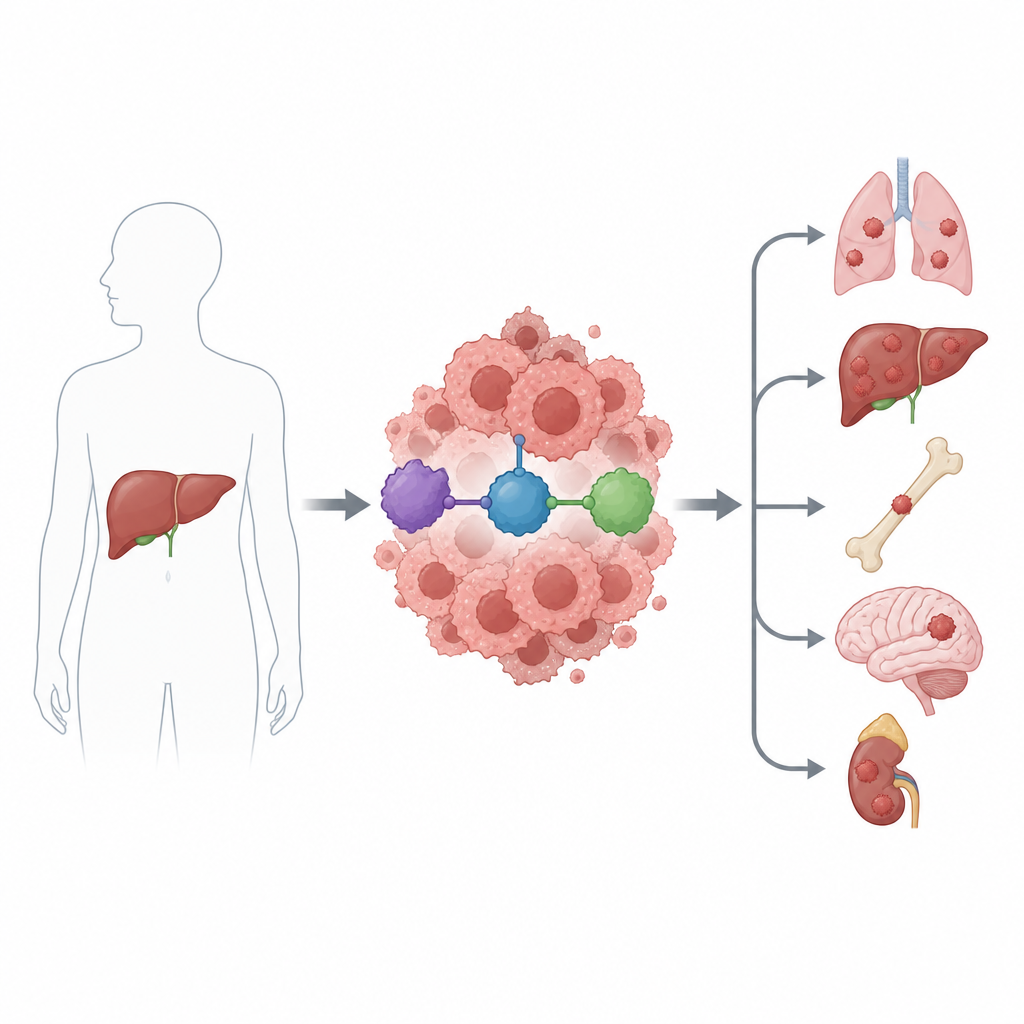
Liver cancer is one of the deadliest cancers worldwide because it often spreads before it is found and current treatments have limited impact once it has advanced. This study looks inside liver cancer cells to uncover how a little-known protein, ARHGAP21, helps tumors spread, and suggests that blocking this protein could slow or prevent dangerous metastasis.
A closer look at liver cancer spread
The researchers focused on hepatocellular carcinoma, the most common form of liver cancer, which frequently returns or spreads to other organs even after surgery. By mining large public cancer databases and examining patient tissue samples, they found that ARHGAP21 levels are much higher in liver tumors than in nearby healthy tissue. Patients whose tumors contained more ARHGAP21 tended to have more advanced disease, greater lymph node involvement, and shorter survival, pointing to a strong link between this protein and poor outcomes.
How ARHGAP21 changes cell shape and motion
Cancer cells spread by reshaping their skeleton, forming tiny foot-like projections that allow them to crawl, invade blood vessels, and seed new tumors. In lab-grown liver cancer cells, the team reduced ARHGAP21 and watched what happened. Cells with less ARHGAP21 lost many of their protrusions, their internal scaffolding became fragmented, and they moved and invaded much more slowly in several standard tests. When they boosted ARHGAP21 instead, the cells grew long protrusions, aligned internal fibers, and became more mobile and invasive, all features linked to metastasis.
Testing the protein in animal models
To see whether these changes mattered in living organisms, the scientists implanted human liver cancer cells with and without ARHGAP21 into mice. When ARHGAP21 was knocked down, tumors grew more slowly under the skin and produced far fewer metastatic colonies in the lungs after cells were injected into the bloodstream. These tumors also showed lower levels of proteins associated with a more mobile, invasive cell state, and fewer cells were actively dividing. Together, these results suggest that ARHGAP21 is not just a marker of aggressive disease but an active driver of tumor growth and spread.
A three protein team that protects the cancer skeleton
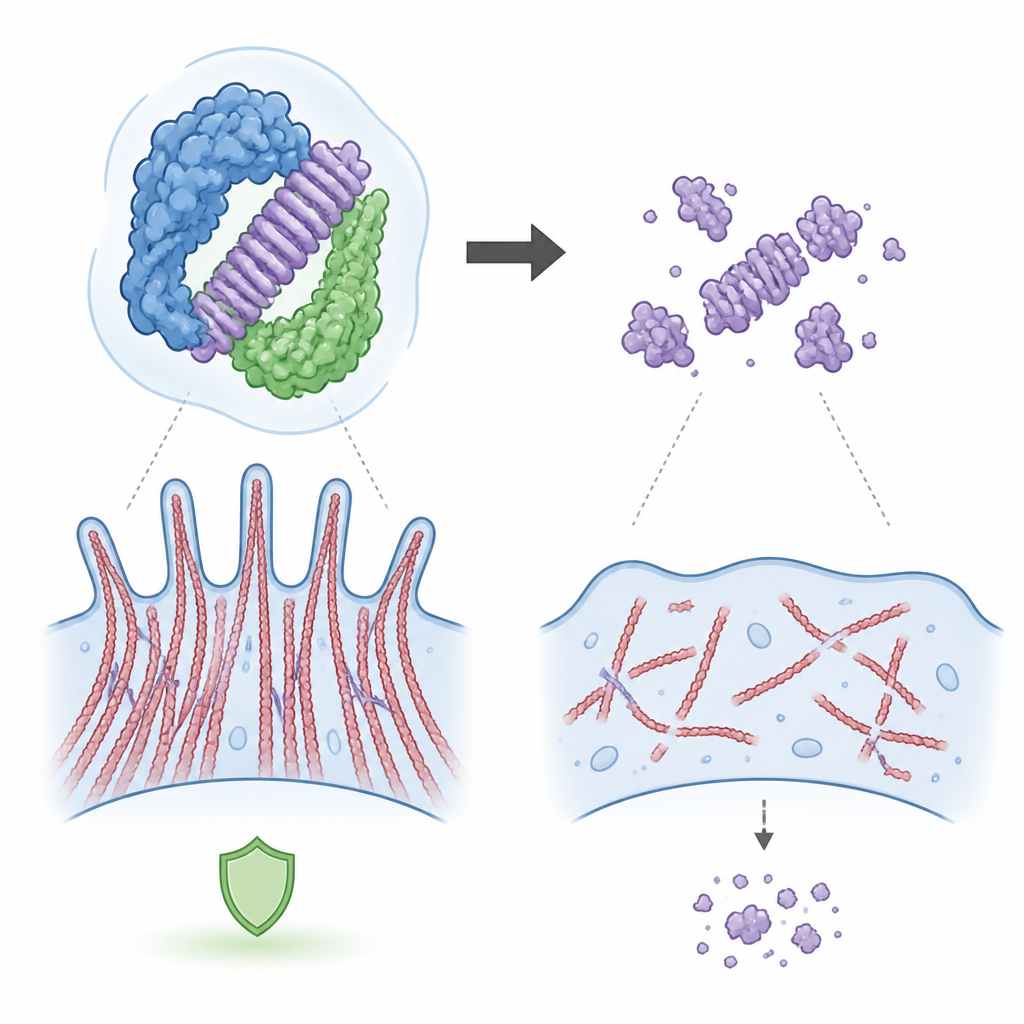
The study then asked how ARHGAP21 exerts these powerful effects. Using protein fishing techniques, the researchers found that ARHGAP21 physically binds to filamin A, a major structural protein that cross links actin fibers and supports cell movement. ARHGAP21 also binds to a helper protein called HSP90α, which is known for stabilizing many cancer related proteins. Inside the cell, ARHGAP21 appears to recruit HSP90α to filamin A, forming a three protein complex. This partnership shields filamin A from the cell’s waste disposal system, which normally tags proteins with small molecules for destruction. When ARHGAP21 is removed, filamin A is more heavily tagged for breakdown and its levels drop, leading to a weaker internal skeleton and fewer protrusions.
Putting filamin A back restores the cancer behavior
To confirm that filamin A is the key link between ARHGAP21 and metastasis, the team artificially increased filamin A in cells where ARHGAP21 had been silenced. Remarkably, these cells regained their ability to form protrusions, reorganize their internal fibers, and migrate and invade through laboratory barriers, nearly reversing the effects of ARHGAP21 loss. This rescue experiment shows that ARHGAP21 drives liver cancer spread largely by preserving filamin A and the flexible skeleton it builds.
What this means for future treatment
Overall, the work reveals a new way that liver cancer cells stabilize the structures they need to move: ARHGAP21 recruits HSP90α to protect filamin A from being broken down, keeping the cell’s skeleton ready for invasion. For patients, high levels of ARHGAP21 may signal a higher risk of metastasis and poorer survival. In the long run, drugs that disrupt this protein trio or restore the breakdown of filamin A could offer new options to slow or block the spread of hepatocellular carcinoma.
Citation: Yao, H., Xie, Z., Tao, X. et al. ARHGAP21 enhances metastasis in hepatocellular carcinoma by inhibiting ubiquitination of filamin A. Cell Death Discov. 12, 240 (2026). https://doi.org/10.1038/s41420-026-03103-0
Keywords: hepatocellular carcinoma, metastasis, ARHGAP21, filamin A, HSP90