Clear Sky Science · en
Humic substances enhance the anti-cancer efficacy of standard therapies
Turning Plant Waste Into Cancer-Fighting Allies
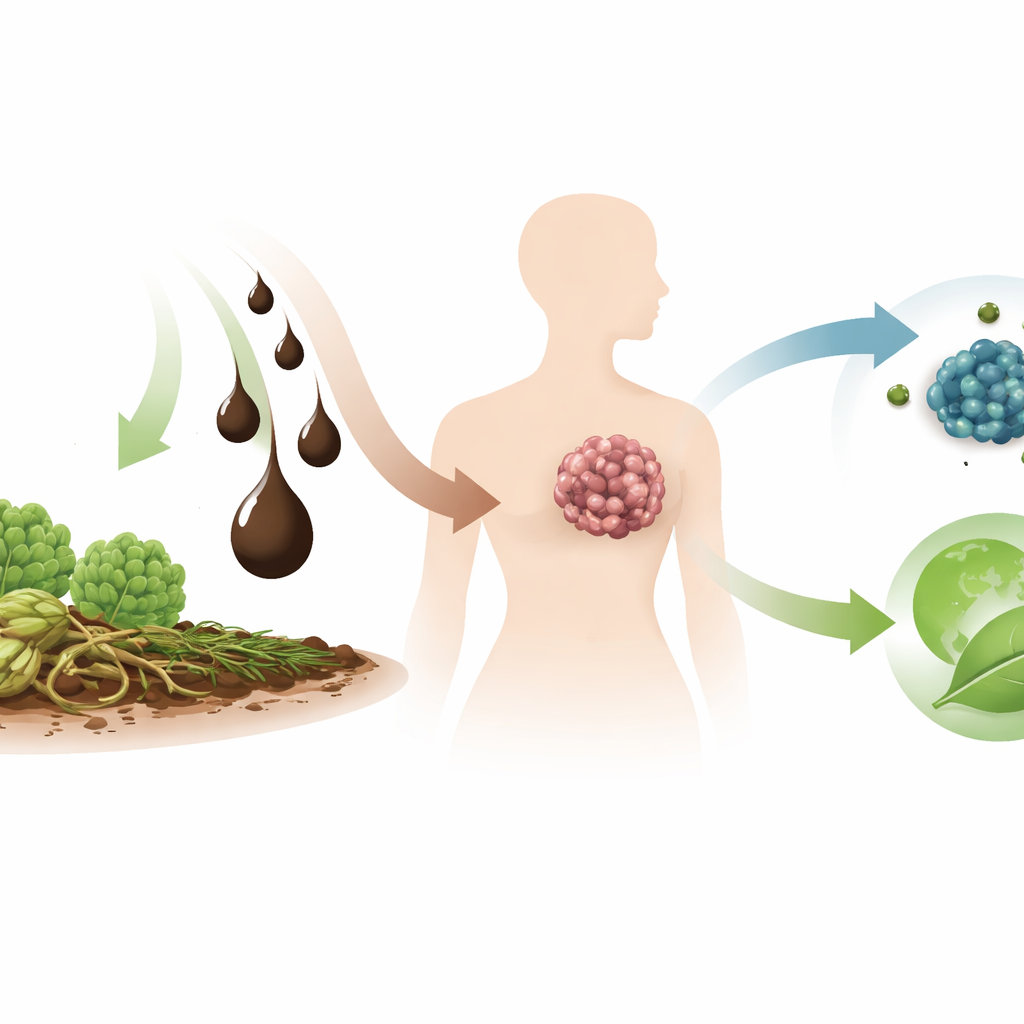
Chemotherapy and radiotherapy save lives but often at a high cost: harsh side effects for patients and a heavy environmental footprint. This study explores an unexpected helper that might ease both problems at once—dark, soil-like molecules called humic substances, extracted from composted olive and artichoke waste. By testing these natural compounds on aggressive cancer cells, the researchers show that they can damage tumor cells, enhance standard treatments, and potentially allow lower drug doses, all while recycling agricultural leftovers.
From Farm Leftovers to Medical Helpers
Humic substances form when plant material breaks down over time. They are well known in agriculture for improving soil health, but their effects on human cells are only beginning to be understood. In this work, scientists isolated humic substances from green compost made from olive residues (HS-OL) and artichoke residues (HS-CYN). Using advanced chemical analyses, they showed that these extracts contain a rich mix of plant-derived molecules, especially polyphenols—natural compounds already famous for their antioxidant and anti-inflammatory properties. The team found that both olive and artichoke humic extracts balanced water-loving and water-repelling regions, a structure that likely helps them interact closely with cell membranes and carry bioactive components into cells.
Shielding Cells and Fighting Harmful Microbes
Before turning to cancer, the researchers examined whether these compost-derived substances could neutralize harmful molecules and bacteria. In standard antioxidant tests, the olive-based extract showed slightly stronger ability than the artichoke extract to mop up reactive molecules that can damage cells. This antioxidant strength tracked closely with the total phenolic content of each extract, suggesting that the polyphenols within humic substances drive much of their protective power. The team also tested the extracts against several bacteria, including drug-resistant staph, Listeria, Helicobacter pylori, and Salmonella typhi. Both humic mixtures slowed bacterial growth, with the olive extract again proving more potent. Because chronic infections and disturbed microbiota are increasingly linked to cancer development and treatment resistance, this antimicrobial action adds an extra layer of potential benefit.
Pushing Cancer Cells Toward Self-Destruction
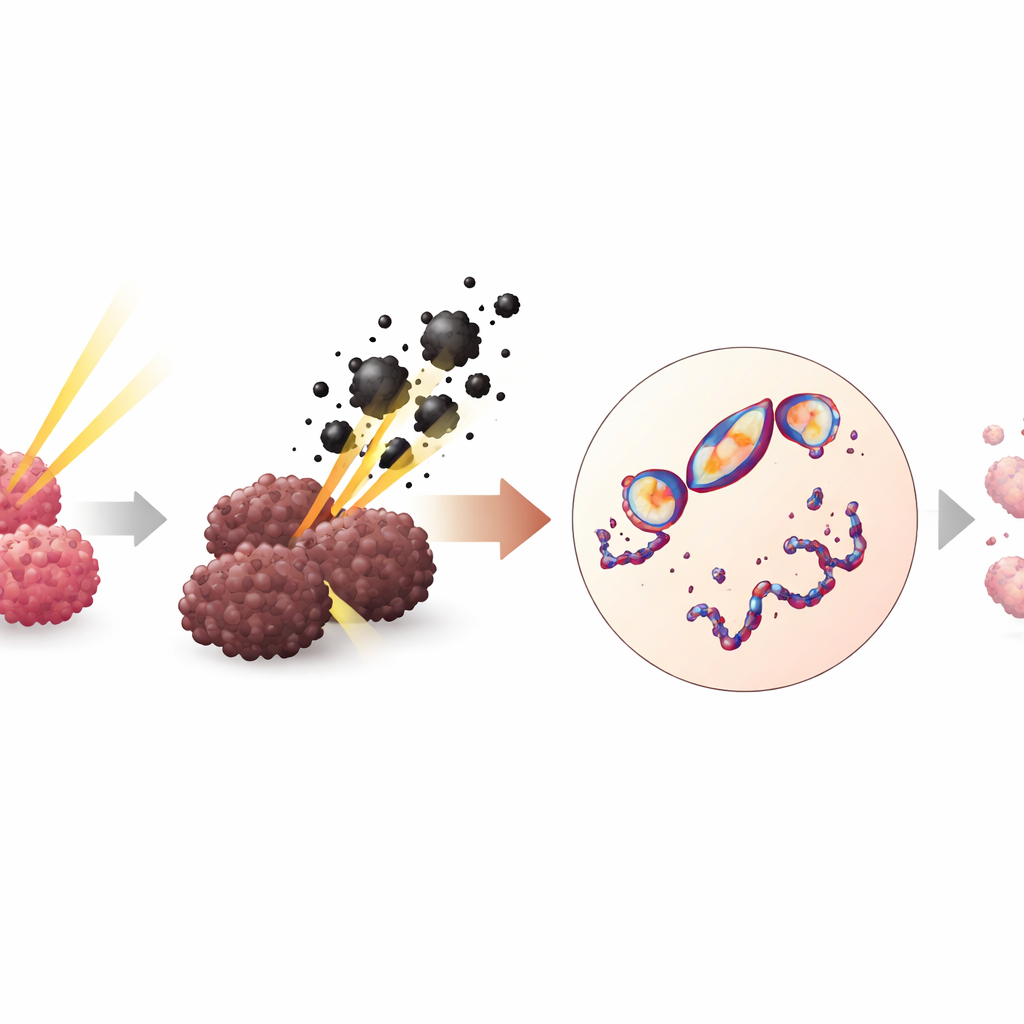
The heart of the study asked what these humic substances do to cancer. The team exposed colorectal, thyroid, and breast cancer cells—including especially resilient, stem-like tumor cells—to HS-OL and HS-CYN. Cancer cell growth dropped markedly in a dose- and time-dependent way, while healthy cells from blood vessels, gut, breast tissue, and stem cells were only slightly affected. Detailed cell-cycle analyses revealed that treated colon cancer cells stalled at a checkpoint just before dividing, whereas thyroid and breast cancer cells accumulated in a state associated with DNA fragmentation and cell death. Markers of programmed cell suicide, such as activated caspase-3, rose strongly in all cancer models. At the genetic level, cells turned on a suite of DNA damage and repair genes, and a key signal of broken DNA, the modified protein γ-H2AX, increased. Together, these findings indicate that humic substances push cancer cells into a stress response they ultimately cannot repair, tipping them toward controlled self-destruction.
Working Hand in Hand With Standard Treatments
The researchers then asked whether humic substances could make existing treatments work better. In colorectal cancer models, combining HS-OL or HS-CYN with reduced doses of common chemotherapy cocktails (FOLFOX or FOLFIRI) killed more cancer cells than higher doses of chemotherapy alone. Similar improvements appeared when the humic extracts were paired with the widely used drug doxorubicin in thyroid and breast cancer cells, including hard-to-treat, highly metastatic lines. When aggressive thyroid cancer cells were treated with humic substances plus radiation, their survival dropped and markers of apoptosis increased, suggesting that humic extracts sensitize tumors to radiation damage. Importantly, this enhanced killing was largely confined to cancer cells, sparing normal control cells, which hints at a therapeutic window where tumors are hit harder than healthy tissues.
A Greener Path for Cancer Care
To a lay reader, the takeaway is twofold. First, humic substances derived from composted olive and artichoke waste can directly weaken cancer cells by damaging their DNA and pushing them into programmed death, while leaving healthy cells mostly unharmed. Second, when combined with conventional chemotherapy or radiotherapy, these natural extracts can boost treatment effectiveness, potentially allowing lower doses of standard drugs and reducing side effects. Because they originate from agricultural waste, they also embody the idea of “green oncology”: turning a disposal problem into a sustainable medical resource. While further testing in animals and humans is essential, this study suggests that what once rotted quietly in fields could one day help make cancer therapy both kinder to patients and gentler on the planet.
Citation: Bianca, P., Modica, C., Verrillo, M. et al. Humic substances enhance the anti-cancer efficacy of standard therapies. Cell Death Discov. 12, 207 (2026). https://doi.org/10.1038/s41420-026-03083-1
Keywords: humic substances, green oncology, natural cancer adjuvants, polyphenols, compost-derived therapeutics