Clear Sky Science · en
TUFM: a central regulator in mitochondrial quality control and beyond
Keeping Our Cellular Power Plants in Shape
Mitochondria are often called the power plants of our cells, and like any machinery, they wear out and break down. This review article focuses on a little‑known but crucial protein called TUFM that helps cells decide whether to repair, recycle, or remove their mitochondria. Because failing mitochondria are linked to cancer, heart disease, dementia, and even how viruses outsmart our immune system, understanding TUFM offers a unifying story about why such different diseases share common roots in energy and stress management.
A Traffic Cop for Mitochondrial Health
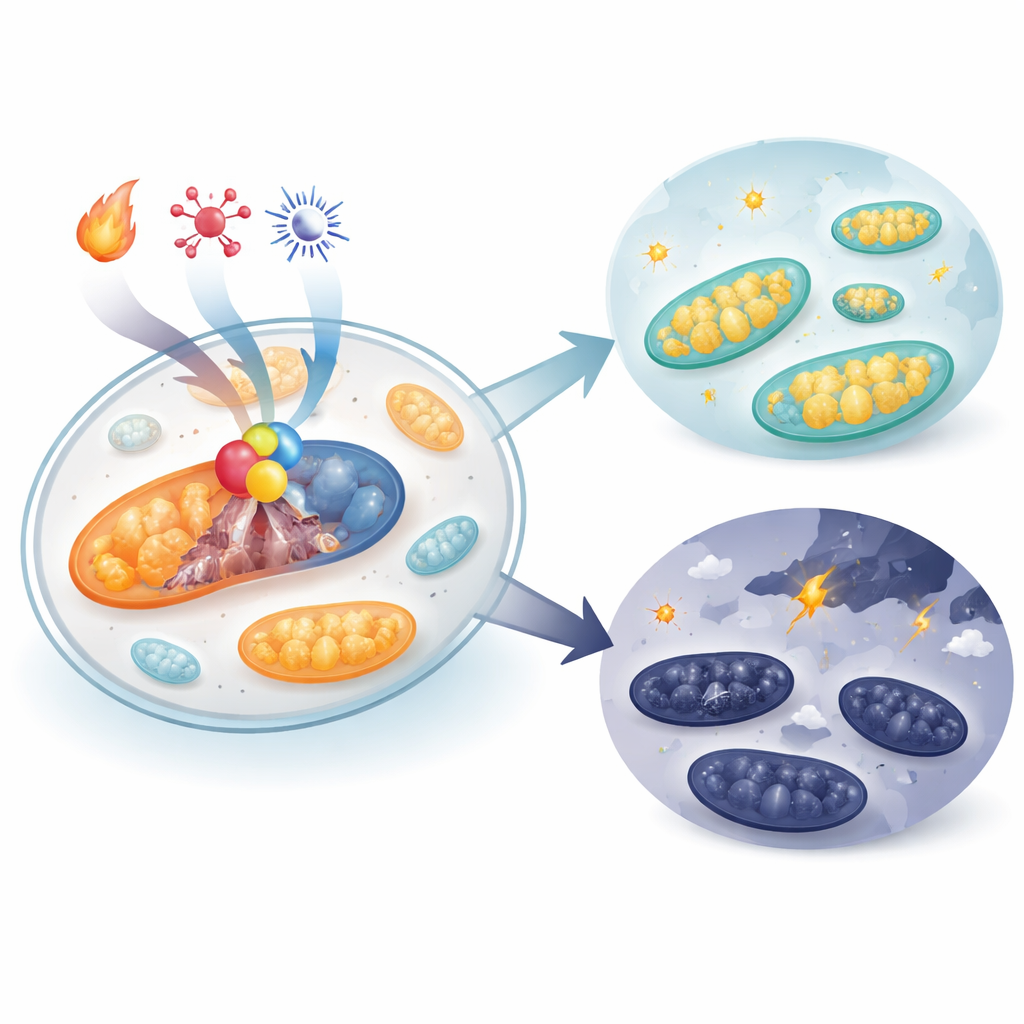
TUFM was first known as a simple helper for building mitochondrial proteins, part of the basic “factory line” that keeps these organelles running. The new picture is far broader: TUFM acts as a central coordinator of mitochondrial quality control, the set of processes that builds new mitochondria, shapes them by fission and fusion, and selectively removes damaged ones. Where TUFM sits in the cell largely determines what it does. When inside the mitochondrial core, it fuels energy production and helps repair mitochondrial DNA. When positioned on the outer surface, it becomes a docking point that pulls in the cell’s recycling machinery to clean up defective mitochondria. Chemical tags added to TUFM—such as phosphorylation, acetylation, ubiquitination, and lactylation—work like switches that change its stability, position, and behavior.
How TUFM Helps Decide Cell Survival or Death
By coordinating mitochondrial upkeep, TUFM indirectly chooses between cell survival and cell death. When TUFM is abundant and in the right place, it supports efficient energy production and timely disposal of faulty mitochondria, preventing harmful by‑products like reactive oxygen species and leaked mitochondrial DNA. This favors cell survival, growth, and stress resistance. When TUFM levels are low, mis‑tagged, or trapped outside mitochondria, damaged organelles pile up. The resulting energy failure and toxic signals can ignite inflammatory cell death pathways and tip cells toward apoptosis, pyroptosis, or more complex forms of regulated death. In this way, TUFM operates less like a simple part and more like a master switchboard for the cell’s life‑and‑death decisions.
Viruses, Immunity, and the Mitochondrial Escape Route
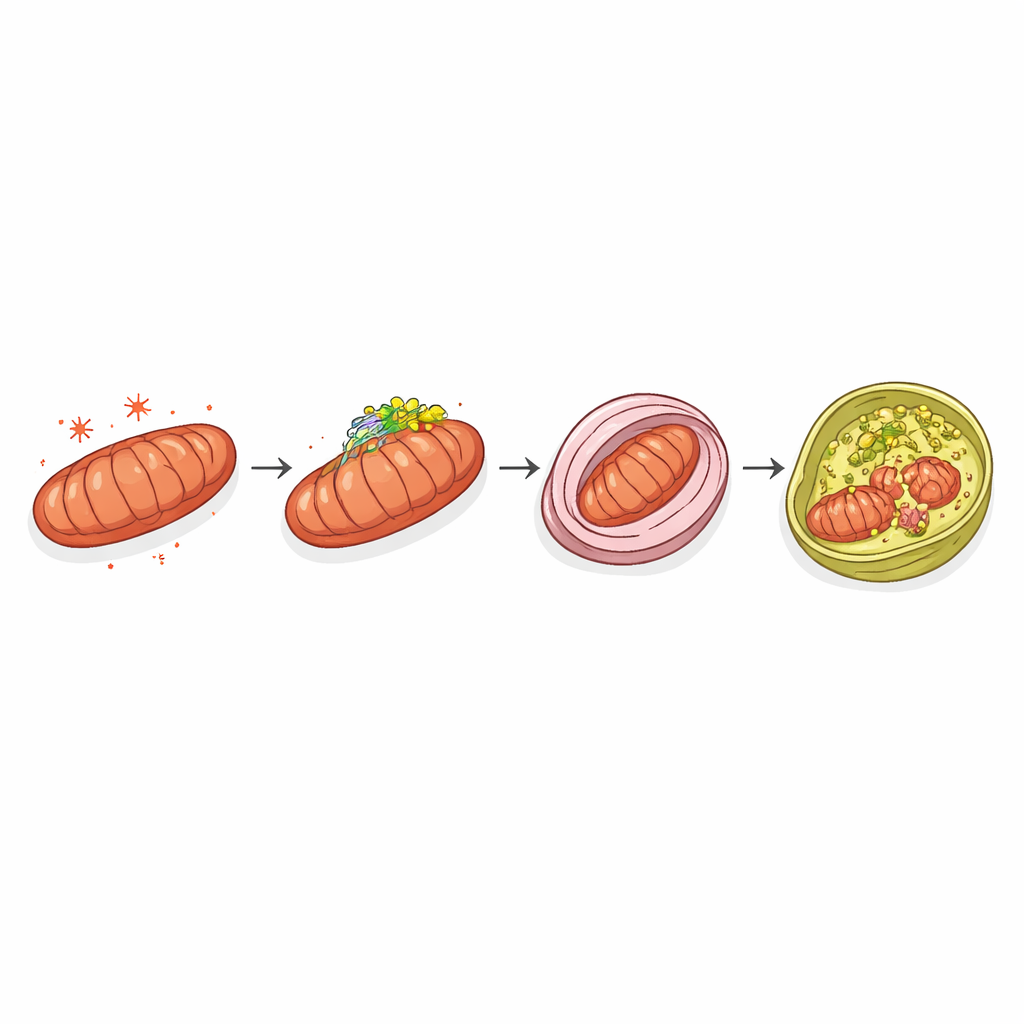
The same features that make TUFM a useful cellular coordinator also make it an attractive target for viruses. Many viruses latch onto TUFM at the surface of mitochondria and exploit its recycling role to dismantle a key antiviral alarm system called the MAVS platform. By driving TUFM‑linked removal of mitochondria that carry these alarm complexes, viruses can mute the production of interferons, the signaling proteins that rally our innate defenses. Some viruses physically bridge TUFM to the cell’s recycling machinery; others induce specific chemical tags on TUFM that promote its pro‑recycling activity. Intriguingly, in a few cases TUFM instead acts as a restriction factor, helping cells selectively degrade viral components and block cross‑species infections, underscoring its double‑edged nature in host–pathogen battles.
From Heart Disease to Dementia and Cancer
Disrupted TUFM function shows up across a wide spectrum of human illnesses. In some cardiovascular conditions and cancers, TUFM is overly active or stabilized, boosting mitochondrial output and recycling in ways that help stressed cells survive and proliferate, contributing to tumor growth or vessel wall thickening. In other settings—such as non‑alcoholic steatohepatitis, Alzheimer’s disease, traumatic brain injury, and rare childhood brain disorders—TUFM is reduced, chemically blocked, or rapidly degraded. The result is faulty mitochondrial cleanup, runaway oxidative stress, inflammation, and progressive cell loss. Even within a single cancer type, TUFM can act as a growth promoter in some tumors and be diminished in others, reflecting differences in how each tumor relies on mitochondrial energy and stress responses.
Why This Protein Matters for Future Treatments
The authors argue that many seemingly unrelated diseases can be viewed as different ways in which the TUFM‑centered quality‑control system falls out of balance. The same protein that supports healthy energy production can, when overdriven, protect malignant cells, or when weakened, leave neurons and other sensitive cells vulnerable to damage. Understanding exactly how TUFM is modified, where it travels in the cell, and how it prioritizes repair versus removal of mitochondria may enable tailored therapies that either dial its activity up or down, depending on the disease. In simple terms, TUFM emerges as a master caretaker of our cellular power plants—and learning to tune this caretaker could help restore equilibrium in conditions ranging from cancer to heart disease and neurodegeneration.
Citation: Li, X., Dong, L., Xiao, T. et al. TUFM: a central regulator in mitochondrial quality control and beyond. Cell Death Discov. 12, 205 (2026). https://doi.org/10.1038/s41420-026-03075-1
Keywords: mitochondrial quality control, TUFM protein, cell death and survival, viral immune evasion, neurodegenerative and metabolic diseases