Clear Sky Science · en
Beyond readthrough: ataluren restores mitochondrial function and reduces oxidative stress in FANCA-mutated cells via mTOR–DRP1 modulation
Why this matters for people with rare blood disorders
Fanconi anemia is a rare inherited disease that damages the bone marrow, raises cancer risk, and shortens lives. People affected often face infections, fatigue, and the prospect of risky stem cell transplants. This study looks at an existing drug, ataluren, already used for another genetic disease, and asks a new question: can it also make sick blood cells work more efficiently by improving their internal “power plants” and reducing harmful molecular rust called oxidative stress?
Energy problems inside fragile blood cells
Fanconi anemia cells are known not only for faulty DNA repair but also for sluggish and wasteful energy production in their mitochondria. The authors focused on cells with changes in the FANCA gene, the most commonly altered gene in this disease. They treated patient lymphoblasts—laboratory-grown white blood cells—with different doses of ataluren and measured levels of ATP and AMP, two molecules that track the cell’s energy budget. At a low dose of the drug, cells improved their ATP/AMP ratio over three days, meaning they had a healthier energy balance, regardless of whether the FANCA mutations caused a premature stop in the gene or simply altered one of its building blocks.
Fine-tuning the cell’s power plants
To understand how this energy boost occurred, the team examined oxidative phosphorylation, the main process by which mitochondria turn nutrients into ATP using oxygen. In Fanconi cells, this process is normally both weak and inefficient, especially when it depends on a key entry point to the respiratory chain. Ataluren actually slowed overall oxygen use and ATP production, but at the same time it improved the “miles per gallon” of the system: more ATP was made for each unit of oxygen consumed. This tightening of the coupling between breathing and energy gain restored a key efficiency marker in diseased cells to nearly normal values, without pushing them to fall back on less efficient sugar fermentation. 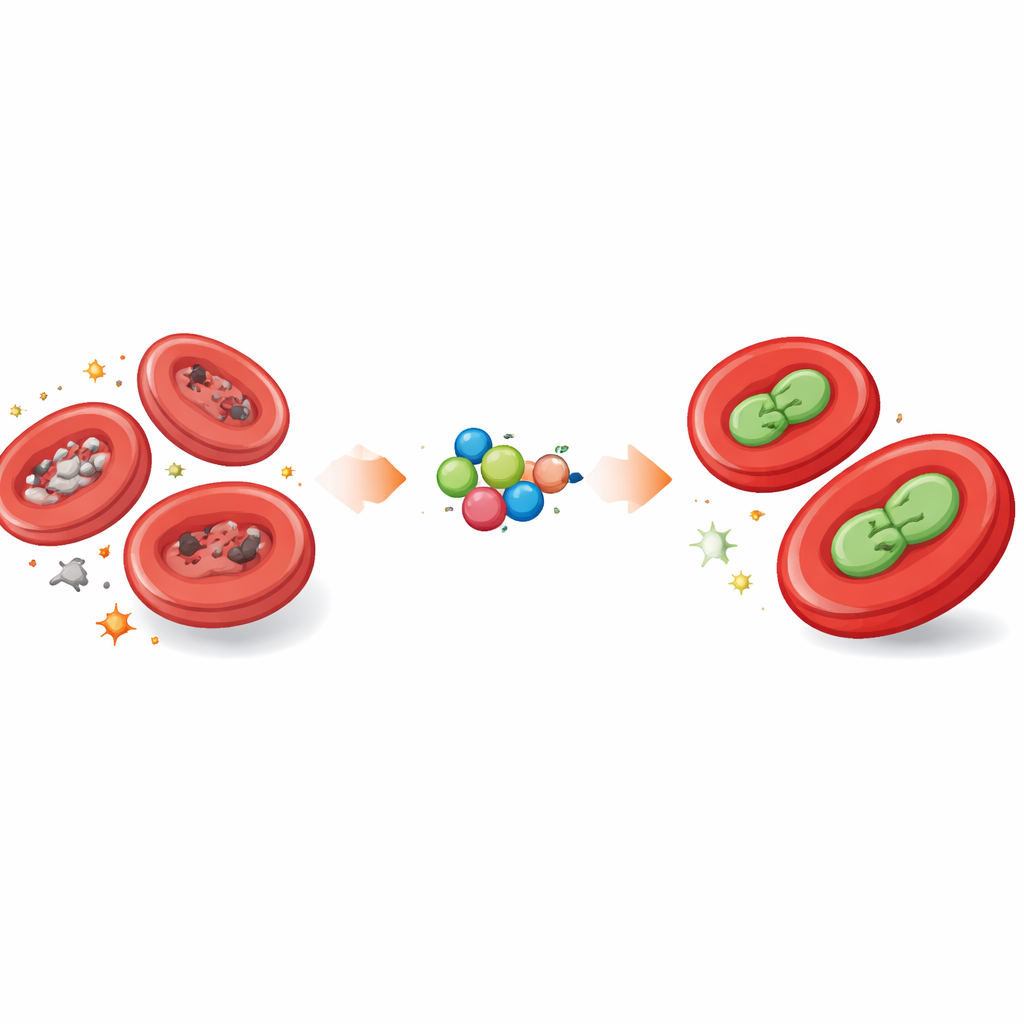
Less molecular rust and calmer stress signals
Wasteful energy production in Fanconi anemia cells floods them with reactive oxygen species that damage fats and DNA. The researchers measured markers of this damage and found that low-dose ataluren steadily reduced both lipid peroxidation and oxidative DNA injury over time. These benefits held up even when cells were challenged with an immune stimulant that mimics infection—a situation that normally worsens energy strain and oxidative damage. The drug also toned down activity in a central growth and metabolism regulator, the mTOR–S6 pathway, and reduced levels of DRP1, a protein that pushes mitochondria to split apart. At the same time, it partially restored proteins involved in clearing damaged mitochondria, hinting at better quality control of these organelles.
Slower growth, fewer mistakes
Because constantly dividing cells with poor DNA repair are at high risk of accumulating mutations, the team also looked at cell growth and DNA damage signals. Ataluren, at the same low dose that optimized energy use, modestly slowed the proliferation of patient lymphocytes and lymphoblasts. It reduced the activity of IMPDH, an enzyme needed to build new DNA building blocks, in a way similar to a classic mTOR inhibitor but without collapsing mitochondrial function. Correspondingly, cells treated with ataluren showed fewer signs of double-strand breaks in their DNA. This suggests that easing energy strain, improving mitochondrial efficiency, and gently braking cell division can work together to limit further genetic injury. 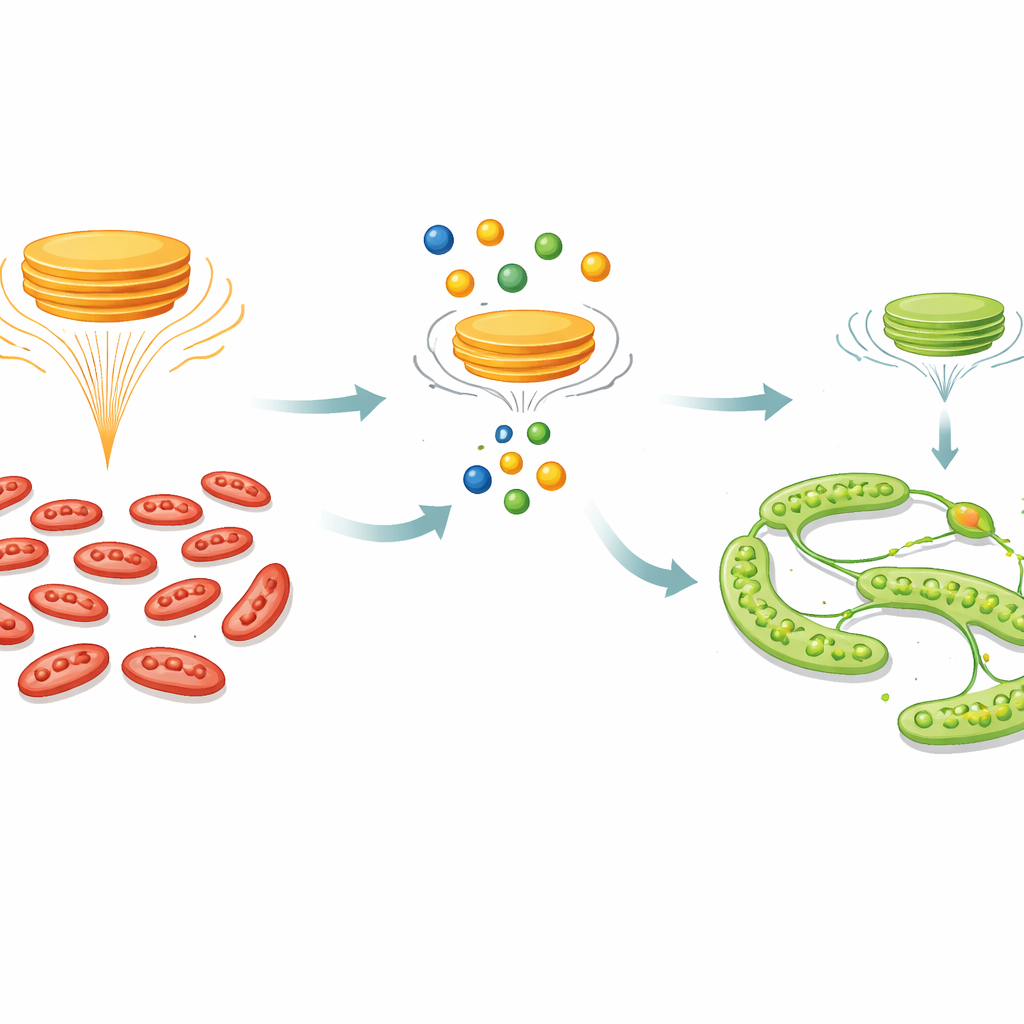
What this could mean for patients
Overall, the study reveals that ataluren does more than help ribosomes read through premature stop signals in genes. At carefully chosen low doses, it reshapes how Fanconi anemia cells manage energy, stress, and growth: mitochondria run more efficiently, oxidative damage falls, and DNA appears better protected, even during immune activation. For patients, this raises the possibility that a drug originally designed to fix broken messages in DNA could also act as a broader metabolic stabilizer, potentially supporting healthier blood formation and delaying complications in Fanconi anemia and other disorders marked by both DNA repair defects and mitochondrial stress.
Citation: Balbi, M., Guidi, E., Hristodor, A.M. et al. Beyond readthrough: ataluren restores mitochondrial function and reduces oxidative stress in FANCA-mutated cells via mTOR–DRP1 modulation. Cell Death Discov. 12, 124 (2026). https://doi.org/10.1038/s41420-026-02983-6
Keywords: Fanconi anemia, ataluren, mitochondria, oxidative stress, mTOR signaling