Clear Sky Science · en
TRIM27-controlled endothelium-derived exosomes play a central role in podocyte injury in diabetic kidney disease
Why this matters for people with diabetes
Kidney disease is one of the most serious long‑term complications of diabetes and a leading reason patients eventually need dialysis. This study uncovers a hidden conversation between two key kidney cell types that helps explain why the kidneys’ filters start to leak protein into the urine. By revealing a new message‑passing system that drives this damage, the work points to fresh ideas for medicines that could better protect kidney function in people with diabetes.
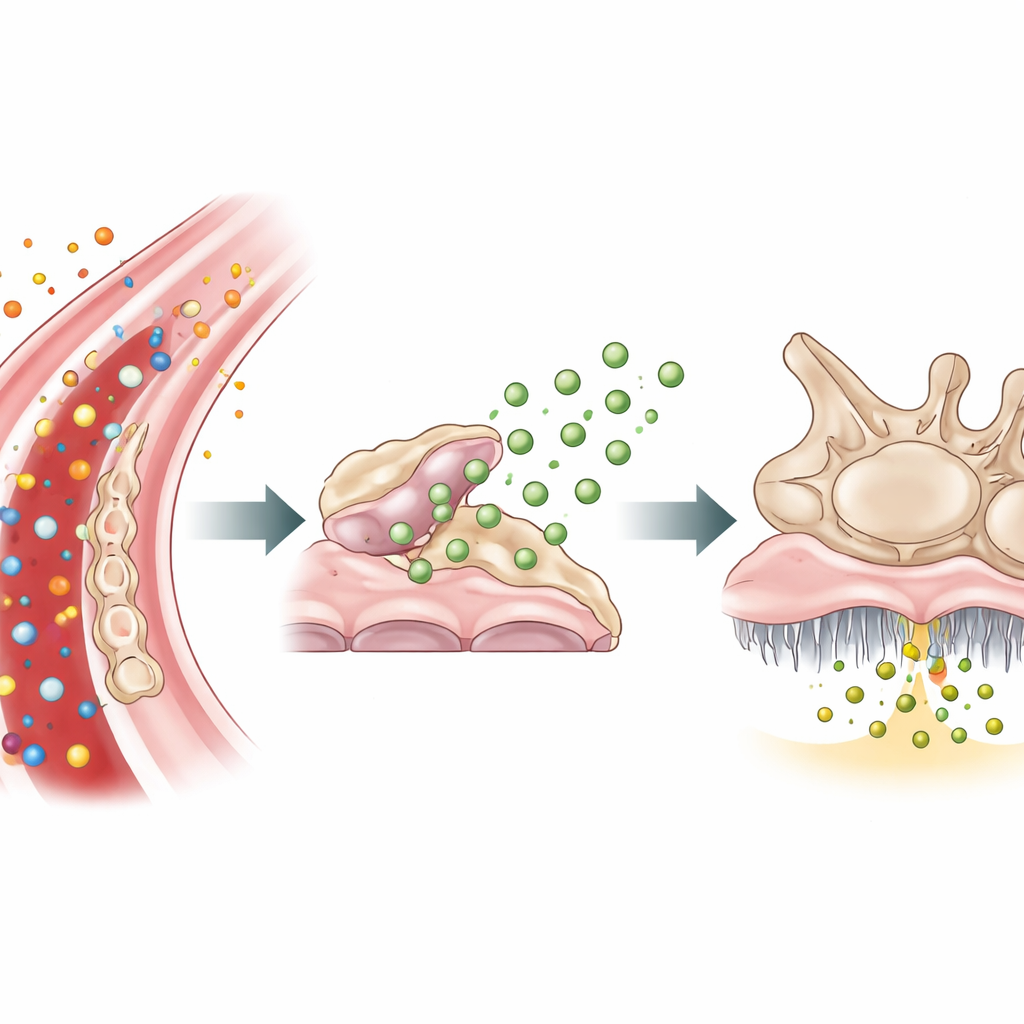
The kidney’s delicate filter under stress
Each kidney is packed with microscopic filters that clean the blood. These filters are built from tiny blood vessels lined by endothelial cells and wrapped by specialized “footed” cells called podocytes. Together they act like a finely woven sieve that holds back proteins while allowing waste to pass into the urine. In diabetic kidney disease, this barrier begins to fail, leading to protein in the urine, a warning sign that the kidneys are being damaged. Scientists have known that both the vessel cells and podocytes are harmed in diabetes, but how injury in one cell type spreads to the other has been a mystery.
Damaging signals travel in tiny bubbles
The researchers focused on exosomes, minuscule membrane‑wrapped bubbles that cells release into their surroundings. Exosomes can carry proteins and genetic instructions in the form of small RNA molecules, allowing cells to influence distant neighbors. Using human kidney endothelial cells grown in the lab, the team simulated the diabetic environment with high sugar and a scarring‑related molecule called TGF‑β1. Under these conditions, the vessel cells released many more exosomes. When these exosomes were added to cultured podocytes, the podocytes lost important filter proteins and showed clear signs of injury, indicating that the bubbles were acting as disease messengers.
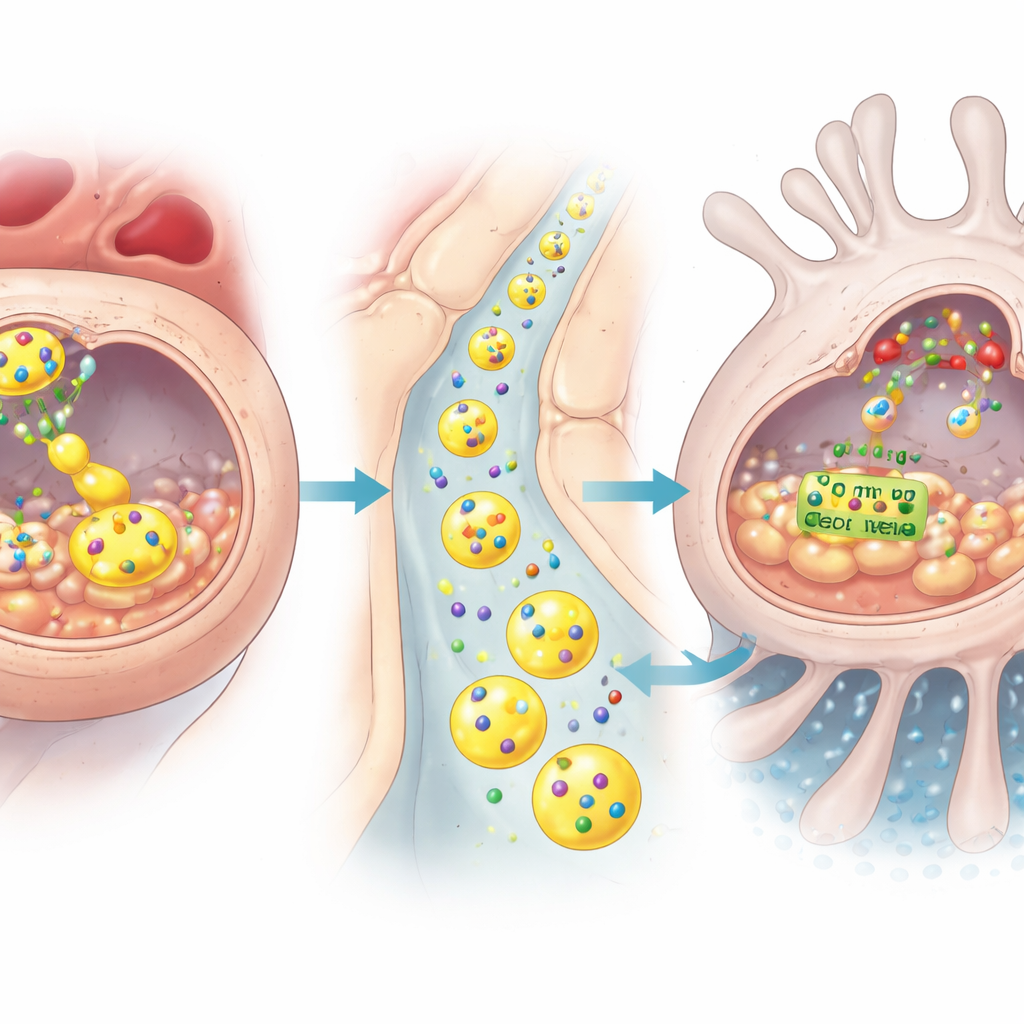
A molecular switch that boosts harmful exosomes
The study identifies a protein called TRIM27 inside endothelial cells as a key upstream switch. In kidney biopsies from patients with diabetic kidney disease, and in diabetic mouse models, TRIM27 levels were markedly higher in glomerular vessel cells and closely tracked with the severity of protein leakage. In dishes, boosting TRIM27 activity activated a signaling route known as JAK2/STAT3 and increased the production of exosomes, in part by raising levels of another protein, Rab27a, that helps form and release these bubbles. Silencing TRIM27 or blocking the JAK2/STAT3 pathway reduced exosome output and lessened damage markers in both endothelial cells and podocytes. In diabetic mice, specifically dialing down TRIM27 only in endothelial cells improved vessel health, preserved podocyte structure, and reduced protein in the urine.
A microRNA that sabotages podocyte defenses
Not all exosomes are harmful; what matters is what they carry. By comparing exosomes from healthy and high‑glucose‑stressed endothelial cells, the team found that one tiny regulatory RNA, miR‑486‑5p, was dramatically enriched in the disease‑linked bubbles. These exosomes were readily taken up by podocytes, where miR‑486‑5p levels rose. The microRNA then targeted PTEN, a protein that normally restrains a growth‑and‑survival pathway called Akt. When PTEN was suppressed, Akt became overactive, and podocytes lost critical filter molecules. Removing miR‑486‑5p from endothelial exosomes restored PTEN levels, calmed Akt activity, and protected podocytes in culture. In mice, injecting exosomes loaded with miR‑486‑5p worsened podocyte injury and kidney function, while exosomes lacking this microRNA were far less damaging.
Blocking the harmful message in living kidneys
To test whether stopping this message in the kidney’s own vessels could be protective, the researchers used gene‑delivery viruses that selectively target endothelial cells. In two different mouse models of diabetes, turning down miR‑486‑5p only in these cells reduced exosomal transfer of the microRNA, preserved PTEN and podocyte markers, and significantly lowered protein loss in the urine. These benefits appeared without changing blood sugar itself, suggesting that interrupting the exosome‑mediated signal can directly shield the filtration barrier even in an ongoing diabetic environment.
What this means for future treatments
Overall, the study reveals a chain of events in which diabetes boosts TRIM27 in kidney vessel cells, which in turn activates a signaling pathway that ramps up exosome production. These exosomes are packed with miR‑486‑5p, travel to neighboring podocytes, shut down a key protective protein, and ultimately weaken the kidney’s sieve so that protein leaks into the urine. For patients, the work suggests that therapies aimed at reducing harmful exosome release, lowering TRIM27 activity, or neutralizing miR‑486‑5p could complement blood sugar control to better prevent or slow diabetic kidney damage.
Citation: Tian, Y., Liu, Y., Feng, X. et al. TRIM27-controlled endothelium-derived exosomes play a central role in podocyte injury in diabetic kidney disease. Cell Death Discov. 12, 138 (2026). https://doi.org/10.1038/s41420-026-02953-y
Keywords: diabetic kidney disease, exosomes, podocyte injury, TRIM27, microRNA-486-5p