Clear Sky Science · en
Insulin enables acquisition of the IL7R+ memory phenotype in PD1+ T cells in RA tissues
Why this research matters for people with arthritis and diabetes
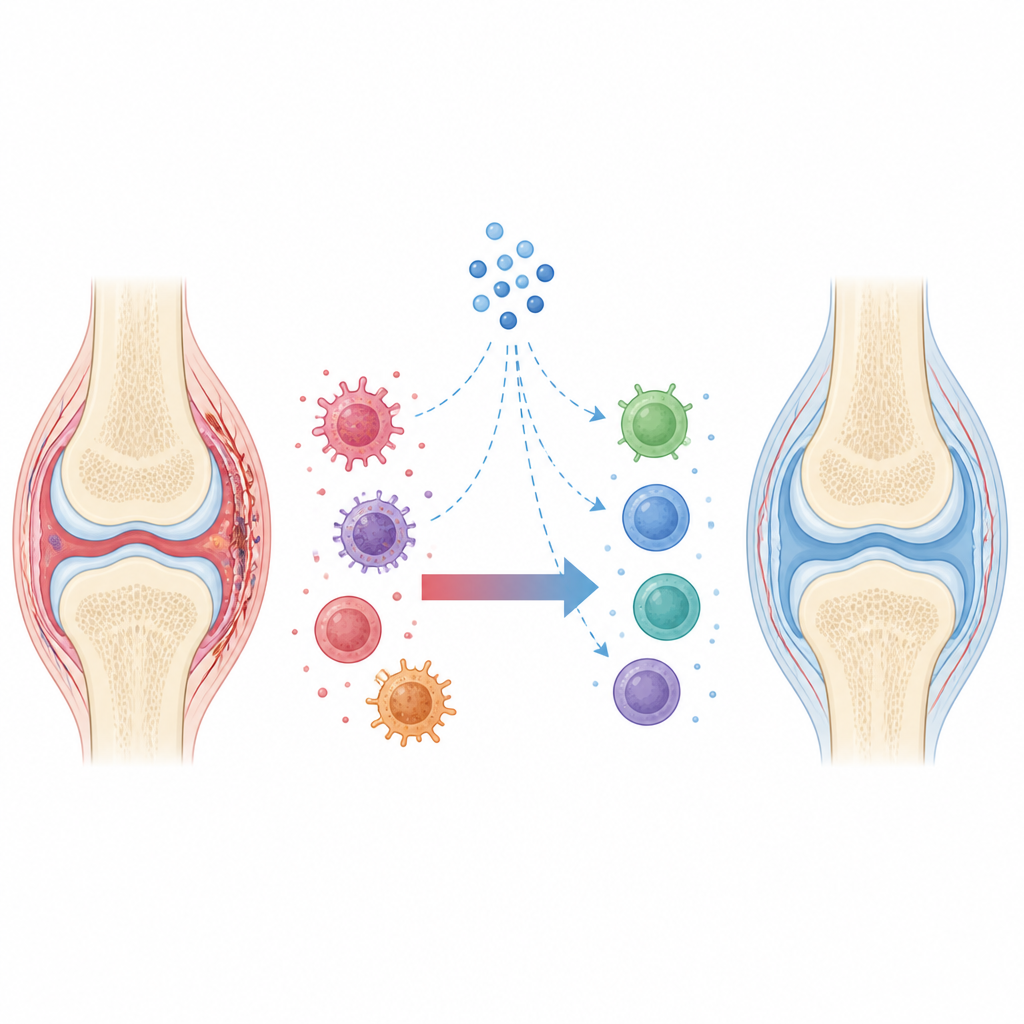
Rheumatoid arthritis is an autoimmune disease in which the immune system attacks the joints, causing pain and swelling. Many people with rheumatoid arthritis also have problems with insulin, the hormone best known for controlling blood sugar. This study shows that insulin does more than manage glucose: it can reprogram aggressive immune cells in the joints into a calmer, memory state, hinting at new ways to reduce harmful inflammation without shutting down the immune system entirely.
Immune cells that burn fuel in overdrive
The researchers focused on CD4 T cells, key white blood cells that drive inflammation in rheumatoid arthritis joints. Using gene activity patterns from blood and joint samples, they found a group of highly active T cells that produced large amounts of the inflammatory molecules interferon gamma and TNF. These cells also made high levels of survivin, a protein that supports cell survival, and showed a metabolism geared toward fast energy use, similar to how cancer cells consume glucose. This combination helped the cells persist and stay aggressive inside the joint tissue.
Insulin as a quiet conductor inside T cells
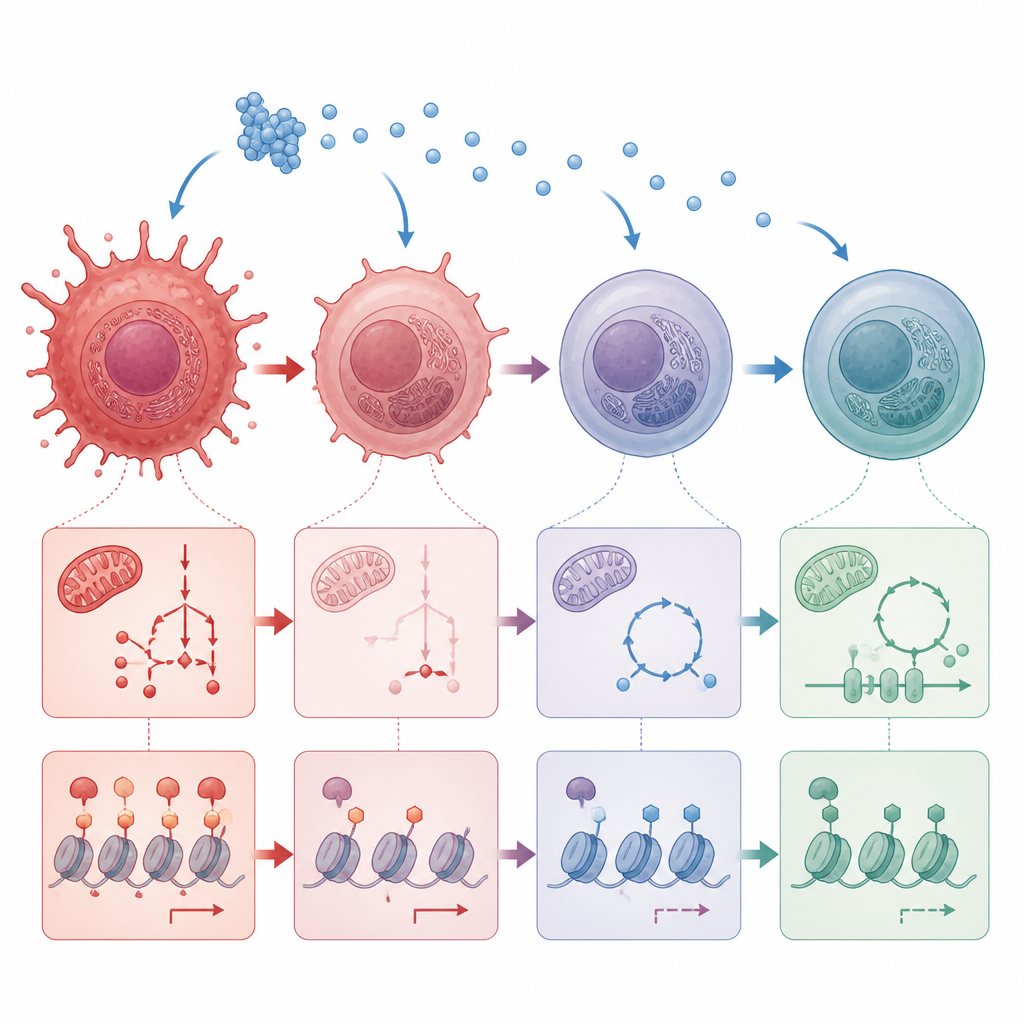
To understand how insulin affects these cells, the team examined how insulin signals inside T cells and how this links to the way DNA is packaged. They showed that insulin activates a signaling chain involving the protein AKT and increases chemical tags called acetyl groups on histone proteins, which help open up DNA for gene activity. A specific histone mark, H3K27 acetylation, often appeared together with survivin in regions that control many genes, including those involved in metabolism. Insulin boosted the activity of enzymes that add these acetyl tags, tying insulin sensitivity directly to how T cells read their genes and manage their fuel use.
Turning fighters into long term sentries
In cell culture, adding insulin and a drug that blocks histone deacetylases, which remove acetyl tags, shifted the behavior of CD4 T cells. The cells produced more of the survival factor IL7 and less interferon gamma, and surface markers changed to fit a central memory profile, characterized by CD27 and CD45RO. In rheumatoid arthritis joint tissue, insulin sensitive helper T cells that originally expressed high levels of PD1 and other activation markers began to acquire an IL7 receptor positive memory phenotype under these conditions. This means insulin, together with more open chromatin, can help convert short lived, joint damaging cells into longer lived but less aggressive memory cells.
Clues from people with type 2 diabetes and arthritis treatments
The scientists also looked at T cells from people with type 2 diabetes, a condition marked by high insulin in the blood. In these patients, metabolically active T cell clusters were enriched for IL7 receptor positive memory cells, consistent with the idea that strong insulin signaling favors this calmer state. Next, the team reanalyzed data from rheumatoid arthritis patients treated with common drugs such as methotrexate, JAK inhibitors, abatacept, tocilizumab, and the insulin sensitizer metformin. Several of these treatments altered insulin signaling and histone acetylation patterns in ways that supported IL7 receptor pathways or reduced the most aggressive T helper cell signatures, suggesting that part of their benefit may come from nudging T cells toward this insulin sensitive memory profile.
What this means for future arthritis care
Overall, the study reveals that insulin sits at a crossroads between metabolism, gene regulation, and immune behavior in rheumatoid arthritis. When insulin signaling and histone acetylation are sufficient, aggressive PD1 positive helper T cells in the joints can shift into IL7 receptor positive memory cells that are less likely to fuel ongoing inflammation. This raises the possibility that improving insulin sensitivity or targeting the enzymes that control histone acetylation could complement existing arthritis drugs. Rather than simply suppressing the immune system, future therapies might aim to retrain T cells into a safer, long lived state that helps restore balance in inflamed joints.
Citation: Chandrasekaran, V., Erlandsson, M.C., Svensson, D. et al. Insulin enables acquisition of the IL7R+ memory phenotype in PD1+ T cells in RA tissues. Cell Death Dis 17, 506 (2026). https://doi.org/10.1038/s41419-026-08916-6
Keywords: rheumatoid arthritis, insulin signaling, CD4 T cells, epigenetics, immune memory