Clear Sky Science · en
Targeting LAPTM5 enhances AML sensitivity to cytarabine through autophagy inhibition
Why this research matters
Many adults with acute myeloid leukemia, a fast growing blood cancer, initially respond well to the long standing chemotherapy drug cytarabine, but the disease often returns in a harder to treat form. This study explores why some leukemia cells become stubbornly resistant and identifies a specific protein that helps them survive treatment, pointing to a new way to make existing chemotherapy work better.
How leukemia cells dodge a key drug
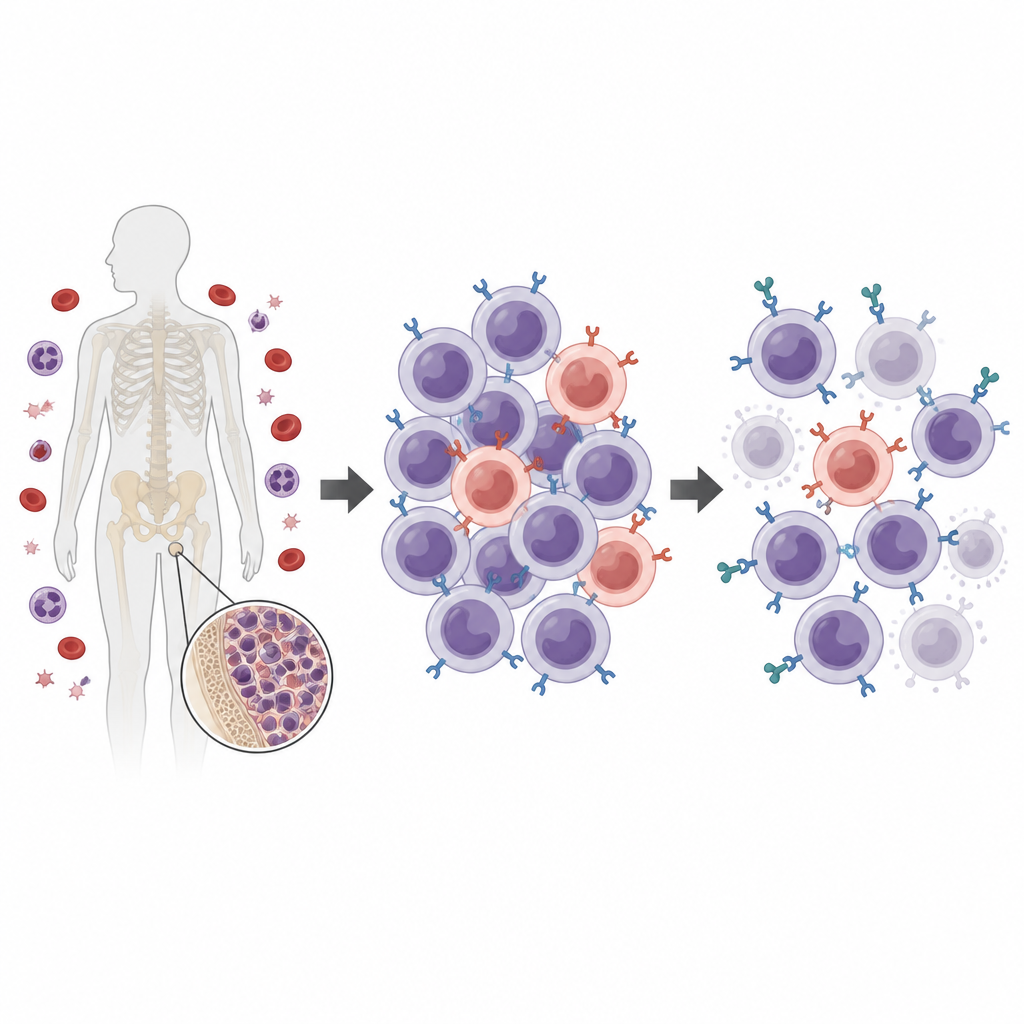
Cytarabine works by damaging the DNA of leukemia cells so they can no longer divide, yet over time some cells adapt and keep growing. The researchers reanalyzed single cell genetic data from patients treated with cytarabine and compared drug sensitive cells with those that survived treatment. They found that the resistant cells had a very different activity pattern, with many genes linked to tiny recycling compartments inside cells, called lysosomes, turned up higher than in untreated cells.
A spotlight on a hidden helper protein
Among the lysosome related genes, one stood out: LAPTM5, a protein embedded in lysosome membranes that is normally found in blood and immune cells. Resistant leukemia cells had much more LAPTM5 than sensitive ones, and patients whose leukemias showed high LAPTM5 tended to have poorer survival. When scientists created laboratory leukemia cell lines that could withstand much higher doses of cytarabine, those cells also showed increased LAPTM5 at both the RNA and protein levels, suggesting that this protein is not just a bystander but part of the resistance machinery.
Blocking the cell’s internal recycling system
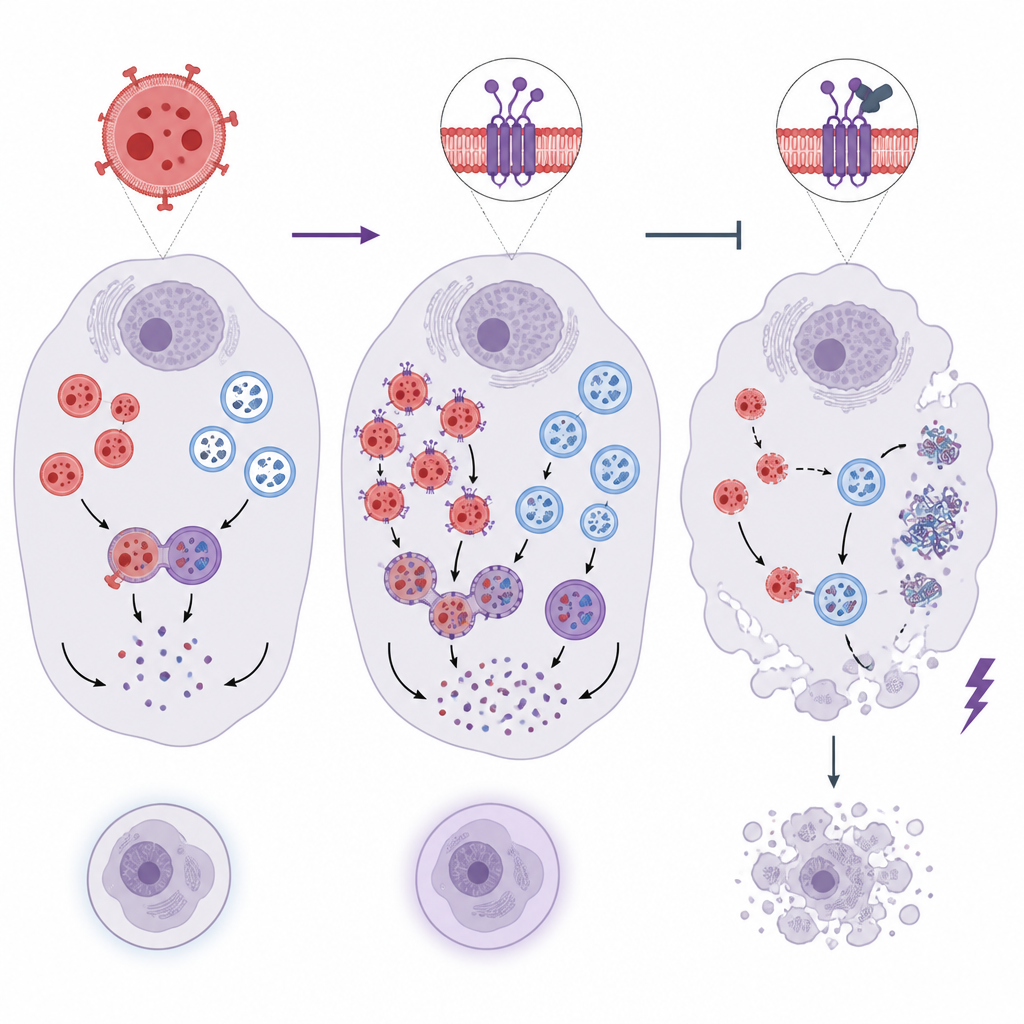
Leukemia cells under drug pressure appeared to rely heavily on autophagy, the cell’s internal recycling system in which worn out components are packaged and delivered to lysosomes for breakdown. Resistant cells showed more recycling structures and lower levels of autophagy cargo proteins, consistent with brisk clean up activity that can help them weather chemotherapy stress. When LAPTM5 was reduced using genetic tools, this recycling flow stalled: recycling markers began to pile up, fusion between recycling vesicles and lysosomes was impaired, and the overall number and brightness of lysosomes dropped.
Making resistant leukemia cells vulnerable again
Silencing LAPTM5 had a striking effect on how leukemia cells responded to cytarabine. In both drug sensitive and highly resistant cell lines, lowering LAPTM5 shifted the dose response so that much less drug was needed to kill half the cells, and markers of programmed cell death rose sharply. In resistant cells, which had come to depend strongly on this recycling pathway, the impact was even greater. Reintroducing LAPTM5 restored recycling and reduced cell death, while overexpressing LAPTM5 in other leukemia cells increased resistance. In mouse models carrying human leukemia, tumors with LAPTM5 knocked down grew more slowly, and treatment with cytarabine on top of LAPTM5 loss almost wiped out tumor burden and circulating leukemia cells.
What this could mean for future treatment
Altogether, the work shows that LAPTM5 helps leukemia cells boost their lysosome based recycling to survive cytarabine, and that turning this protein off can cut off that survival route and resensitize tumors to an existing drug. For patients, this suggests that future therapies aimed at LAPTM5, or at the signals that control it, could be combined with standard chemotherapy to overcome resistance with more precision than broad autophagy blockers. While more work is needed to develop safe LAPTM5 directed treatments and to understand how it is switched on during therapy, the study maps a clear path toward making a long used leukemia drug more effective against relapsing disease.
Citation: Zeng, Y., He, C., Chen, H. et al. Targeting LAPTM5 enhances AML sensitivity to cytarabine through autophagy inhibition. Cell Death Dis 17, 432 (2026). https://doi.org/10.1038/s41419-026-08654-9
Keywords: acute myeloid leukemia, cytarabine resistance, autophagy, lysosomes, LAPTM5