Clear Sky Science · en
Genomic sequencing of multicystic mesothelioma finds cohesin complex mutations associated with disease recurrence in patients referred for cytoreductive surgery and HIPEC
Why this rare tumour matters
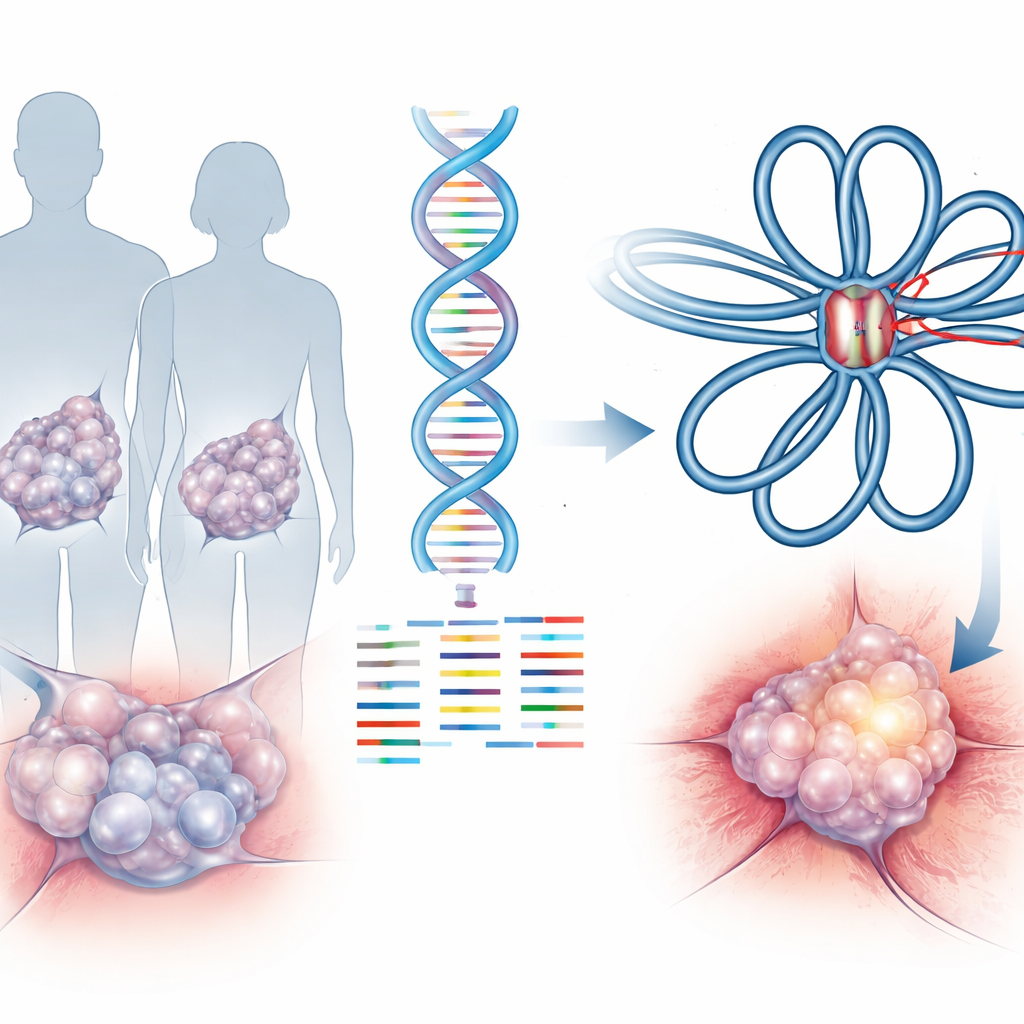
Multicystic mesothelioma is a rare condition that forms clusters of fluid-filled sacs inside the abdomen. For decades, doctors have argued over a basic question: is it a true tumour that can behave like cancer, or simply a harmless reaction to irritation or past surgery? This matters for patients because it shapes how aggressively the disease should be treated and how closely they should be followed after surgery. In this study, researchers used modern gene sequencing tools to look for hidden DNA changes in multicystic mesothelioma, aiming to settle part of this debate and find clues that might predict which patients are more likely to see their disease return.
A closer look at an uncommon disease
Multicystic mesothelioma usually appears in the lining of the abdomen and pelvis and is most often diagnosed in women of child‑bearing age, though it can affect anyone. Many people have few or no symptoms, while others experience pain, bloating, or bowel and bladder problems. Under the microscope, doctors see many thin‑walled cysts lined by cells typical of the body’s internal lining. Unlike classic malignant mesothelioma, which is strongly linked to asbestos exposure and behaves aggressively, multicystic mesothelioma often seems milder. Yet some cases progress, recur after surgery, or appear alongside other mesothelial tumours, raising suspicion that it may indeed be a genuine neoplasm—an abnormal cell growth driven by genetic changes.
Comparing two types of mesothelioma
The research team studied tissue and clinical data from 46 patients treated at a specialist peritoneal cancer centre: 25 with multicystic mesothelioma and 21 with malignant peritoneal mesothelioma. All had been evaluated for major “debulking” surgery and heated chemotherapy inside the abdomen, a demanding treatment reserved for serious conditions. First, the scientists scanned key cancer‑related genes using a targeted DNA panel in 42 of these patients. As expected, the malignant cases carried many known cancer mutations in genes such as BAP1 and TP53. In striking contrast, most multicystic mesotheliomas showed no changes in the usual cancer hotspots, suggesting their genetic drivers lay elsewhere.
Uncovering a hidden weak spot in cell glue
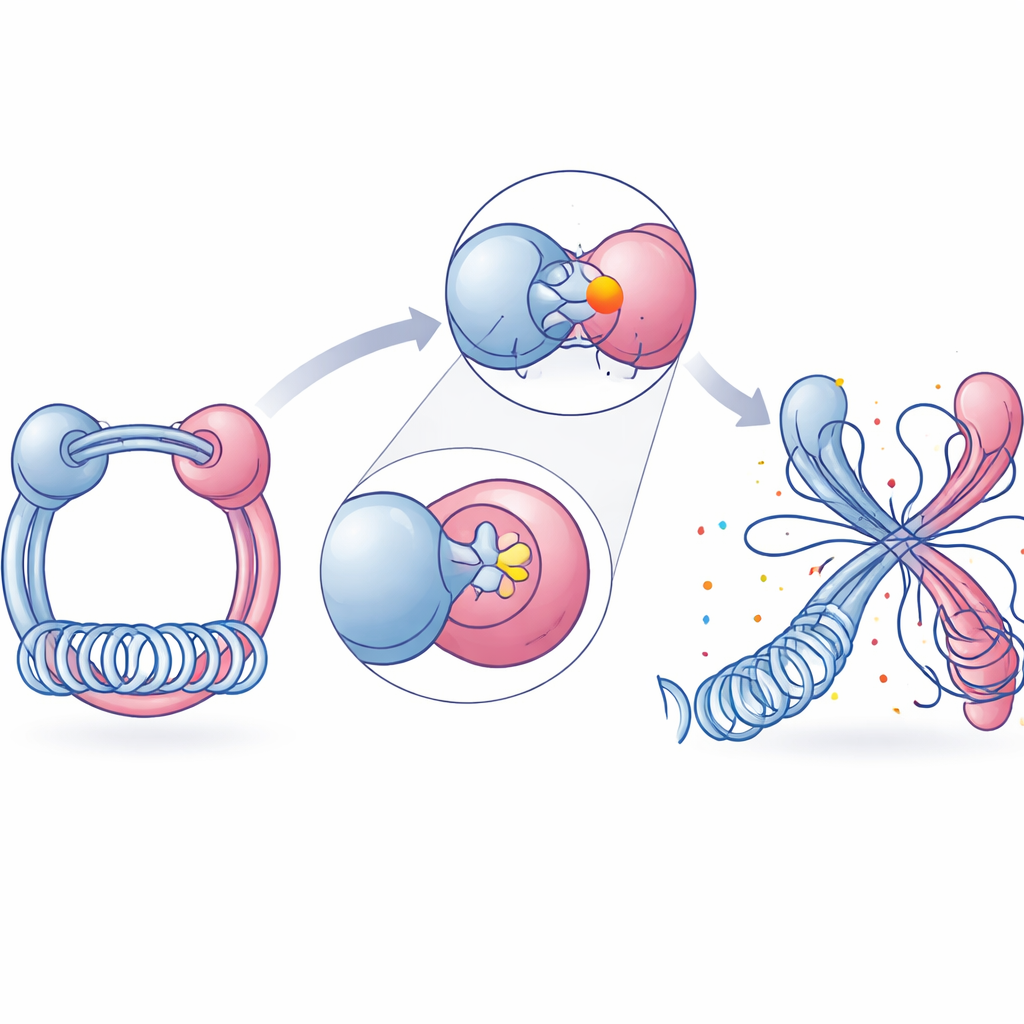
To dig deeper, the team performed whole‑exome sequencing—reading the coding portions of nearly all genes—in 11 multicystic mesothelioma samples. Here, a clear pattern emerged. Many tumours carried mutations in genes that form part of the “cohesin” complex, a ring‑like molecular clamp that helps hold copied chromosomes together and shapes how DNA is folded and genes are switched on and off. The gene SMC3 was mutated in nearly half of the sequenced multicystic cases, and SMC1A and STAG3 were also affected. Remarkably, many of the SMC3 mutations hit the exact same position in the protein, revealing a previously unknown mutation hotspot. Computer simulations of the SMC3 protein showed that changes at this site likely disrupt a critical step in its energy‑using activity, which is essential for normal cohesin function.
Linking gene changes to disease coming back
The researchers then focused on the hotspot in SMC3, using a highly sensitive DNA test to scan additional tumour samples from both multicystic and malignant peritoneal mesotheliomas. They found that more than half of the multicystic cases carried mutations at this single amino‑acid position, while none of the malignant cases did. Importantly, every multicystic mesothelioma patient in the study whose disease later returned had a mutation in either SMC3 or SMC1A, members of the cohesin complex. Statistical analysis showed that patients with these cohesin mutations had a significantly higher risk of recurrence after surgery, even though overall most multicystic patients were alive and well many years later.
What this means for patients and doctors
By showing that multicystic mesothelioma frequently carries specific, recurring DNA mutations—especially in the cohesin complex—this study supports the idea that it is a true neoplastic process rather than a simple reactive change. The discovery of a mutation hotspot in the SMC3 gene, together with evidence that such changes may impair an essential chromosome‑handling machine, helps explain why some tumours come back after apparently successful surgery. In the future, testing multicystic mesothelioma tissue for cohesin mutations could help identify patients who need closer follow‑up or more aggressive treatment, and may open the door to targeted therapies that exploit this newly revealed weakness in the tumour’s biology.
Citation: Gibson, J., Carr, N.J., Stanford, S. et al. Genomic sequencing of multicystic mesothelioma finds cohesin complex mutations associated with disease recurrence in patients referred for cytoreductive surgery and HIPEC. Br J Cancer 134, 1352–1359 (2026). https://doi.org/10.1038/s41416-026-03366-5
Keywords: multicystic mesothelioma, cohesin mutations, SMC3, tumour genetics, disease recurrence