Clear Sky Science · en
“I don’t think I even thought of myself” A mixed-methods study of family experiences of trio germline whole genome sequencing in newly diagnosed childhood cancer
Why This Matters to Families
When a child is diagnosed with cancer, parents are suddenly asked to make big decisions about complex treatments and, increasingly, about genetic tests that might reveal inherited cancer risks. This study explores how real families felt about one such test—trio whole-genome sequencing, which reads the DNA of a child with cancer and both parents—to understand whether the process is overwhelming, helpful, or somewhere in between.
What the Study Looked At
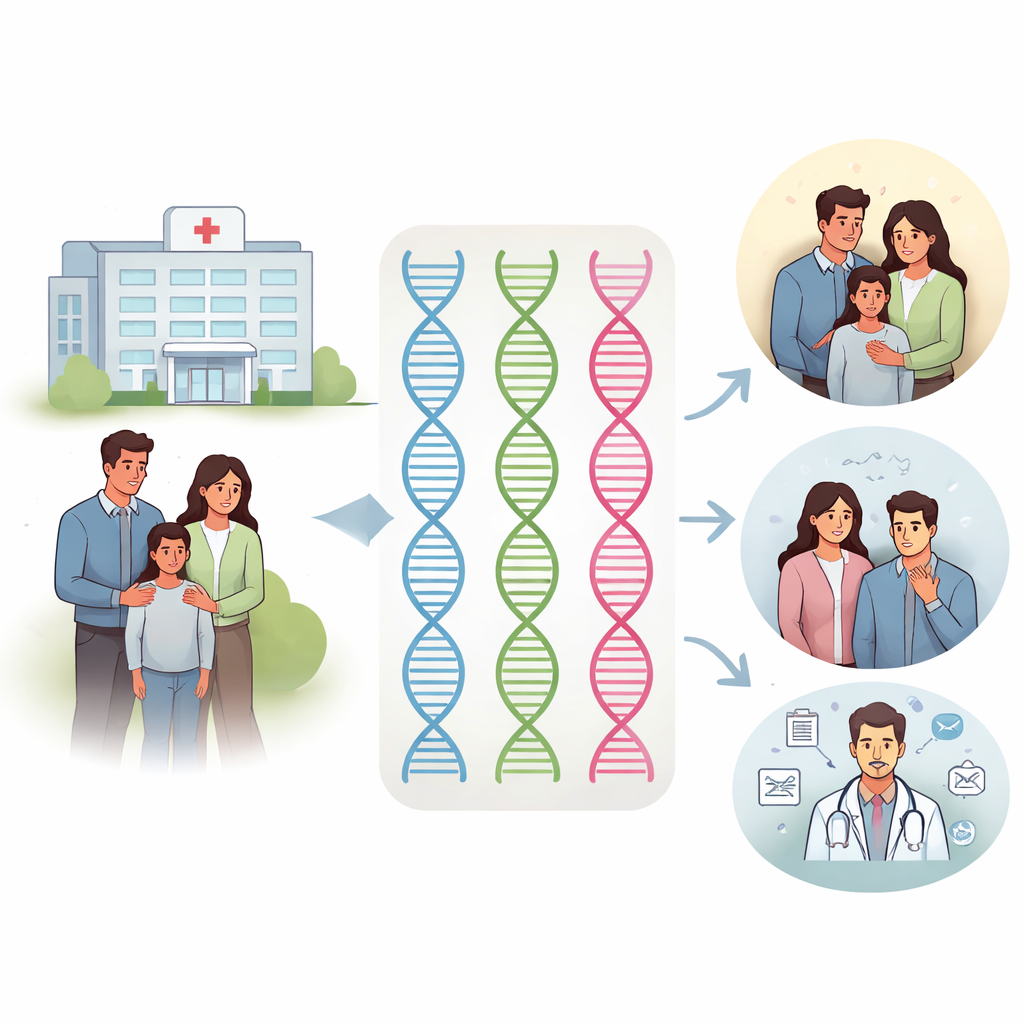
Researchers in Australia invited nearly all children and young adults (up to age 21) newly diagnosed with cancer at several hospitals to join the PREDICT study. In trio sequencing, blood samples from the child and, where possible, both biological parents are analysed to look for inherited changes that can increase cancer risk. Families filled out questionnaires soon after they consented to testing, again when results were returned, and, for parents, about a year later. Many parents also took part in in-depth interviews, giving the researchers both numbers and rich personal stories about their experiences.
Deciding to Take Part During a Crisis
Parents and children were generally not very distressed by the act of consenting to genetic testing itself, but the timing—so close to a shocking cancer diagnosis—made everything harder to absorb. Few parents read the consent forms from start to finish, and most children barely skimmed them. Interviews revealed that many families were in “information overload,” focused mainly on immediate treatment. Some parents worried about being “genetically responsible” for their child’s cancer and found the idea of testing their own DNA confronting. Others leaned heavily on trust in their doctors and the health system, choosing to participate because they believed clinicians would not offer anything that was not in the child’s best interests. Parents with lower incomes or less confidence in their genetics knowledge tended to feel more uneasy about the consent decision.
Living With the Wait and the Results
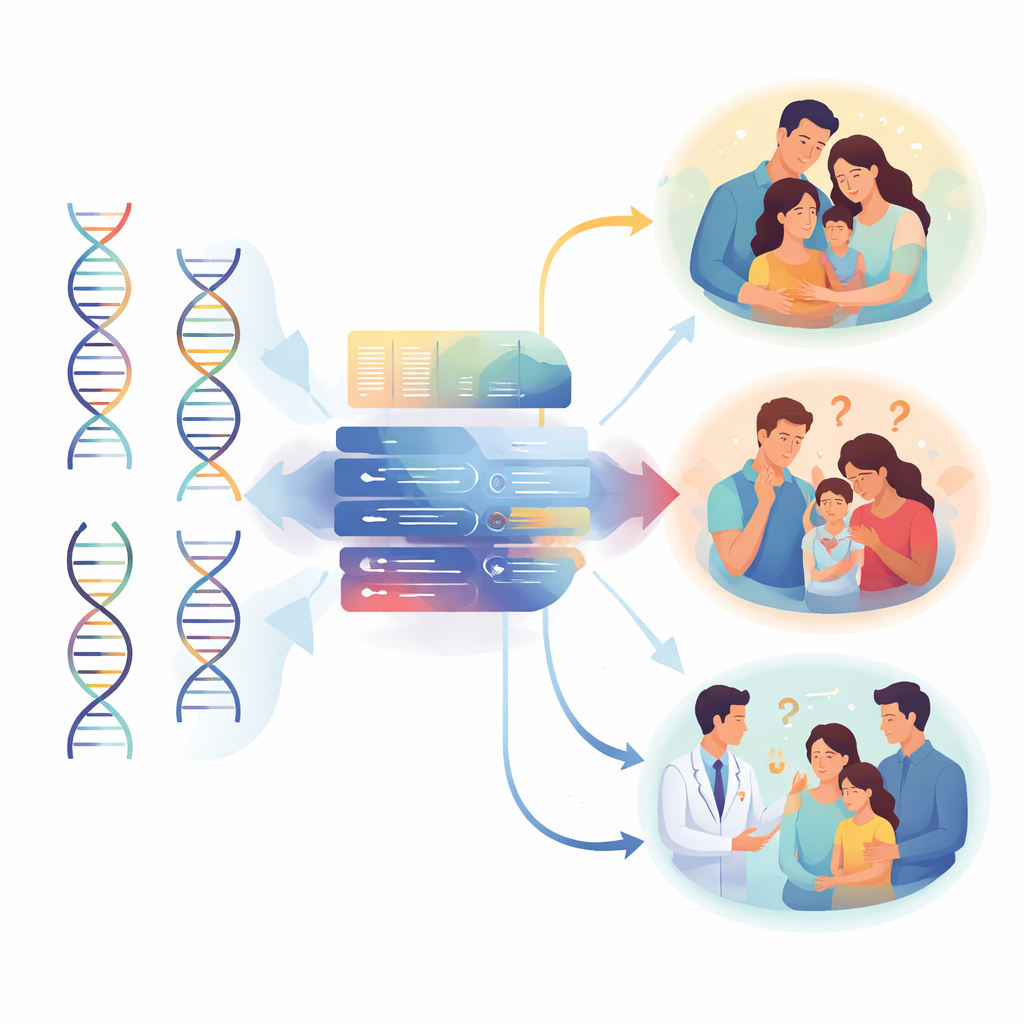
Waiting for genetic results brought moderate worry for many parents, though some said the cancer itself was so dominant that the study faded into the background. When results finally arrived, emotional reactions covered the full spectrum. A result showing no inherited risk often brought relief and eased guilt. Yet some parents still felt disappointed at not having a clear explanation for why the cancer occurred. When an inherited risk or other significant finding was identified, some parents felt empowered by having information that could guide monitoring or prevention for their child and relatives, while others described shock, sadness, or renewed guilt. Notably, the level of distress did not simply track with the type of result: parents receiving reassuring results could still feel upset, and those with concerning findings could feel reassured by finally having answers.
Trust, Communication, and Support
Across the study, trust and communication emerged as crucial. Many families valued hearing about the study and later their results from familiar oncologists, even if those doctors were not genetics specialists. Others were frustrated when explanations felt rushed, unclear, or delayed, or when it was hard to access a genetics professional who could answer detailed questions. Some parents were troubled by long waits, lack of updates, or uncertainty about how their genetic information would be stored and used. Despite these concerns, most parents and participating children were highly satisfied with having taken part, reported very little regret, and said they would recommend similar testing to other families.
What This Means for Families and Care Teams
The study shows that trio whole-genome sequencing can usually be offered to families of children with cancer without causing severe psychological harm, and that many parents welcome the chance to gain information that might help their child or other relatives. At the same time, the consent process at diagnosis is emotionally complex, and parents may struggle to think about their own health when they are focused on their child. The authors conclude that genetic testing in this setting should be flexible and tailored—timed and explained in ways that match each family’s readiness—and that clear, timely communication from trusted clinicians, supported by genetic counsellors, is key to helping families navigate results and cope with whatever they reveal.
Citation: Hunter, J.D., Hetherington, K., McGillycuddy, M. et al. “I don’t think I even thought of myself” A mixed-methods study of family experiences of trio germline whole genome sequencing in newly diagnosed childhood cancer. Br J Cancer 134, 1336–1351 (2026). https://doi.org/10.1038/s41416-026-03354-9
Keywords: childhood cancer, genetic testing, whole genome sequencing, family experiences, genetic counselling