Clear Sky Science · en
CAR T cells and T cell engagers for autoimmunity—lessons from hematology
Rebooting a Misfiring Immune System
Autoimmune diseases occur when the body’s defenses lose their bearings and start attacking its own tissues, leading to chronic pain, fatigue, and organ damage. This review article looks at an unexpected ally in calming these wayward immune attacks: cutting‑edge cell therapies originally built to fight blood cancers. By harvesting and re‑engineering a patient’s own immune cells, or redirecting them with antibody‑like drugs, doctors may be able to "reset" the immune system and offer long‑lasting relief to people whose diseases no longer respond to standard treatments.
From Cancer Breakthrough to New Use
Over the past fifteen years, chimeric antigen receptor (CAR) T cells have changed the outlook for patients with otherwise incurable leukemias, lymphomas, and multiple myeloma. These living drugs are T cells taken from a patient, genetically modified to recognize specific markers on B cells, and then returned to the bloodstream to hunt down their targets. Large clinical trials in blood cancers showed that CAR T treatments could clear disease in many heavily pretreated patients and outperform conventional chemotherapy, leading to regulatory approvals worldwide. Alongside these successes came a deep understanding of how to select patients, time therapy, and manage side effects—experience that now guides the cautious move of CAR T cells and related T cell‑redirecting drugs into the realm of autoimmune disease. 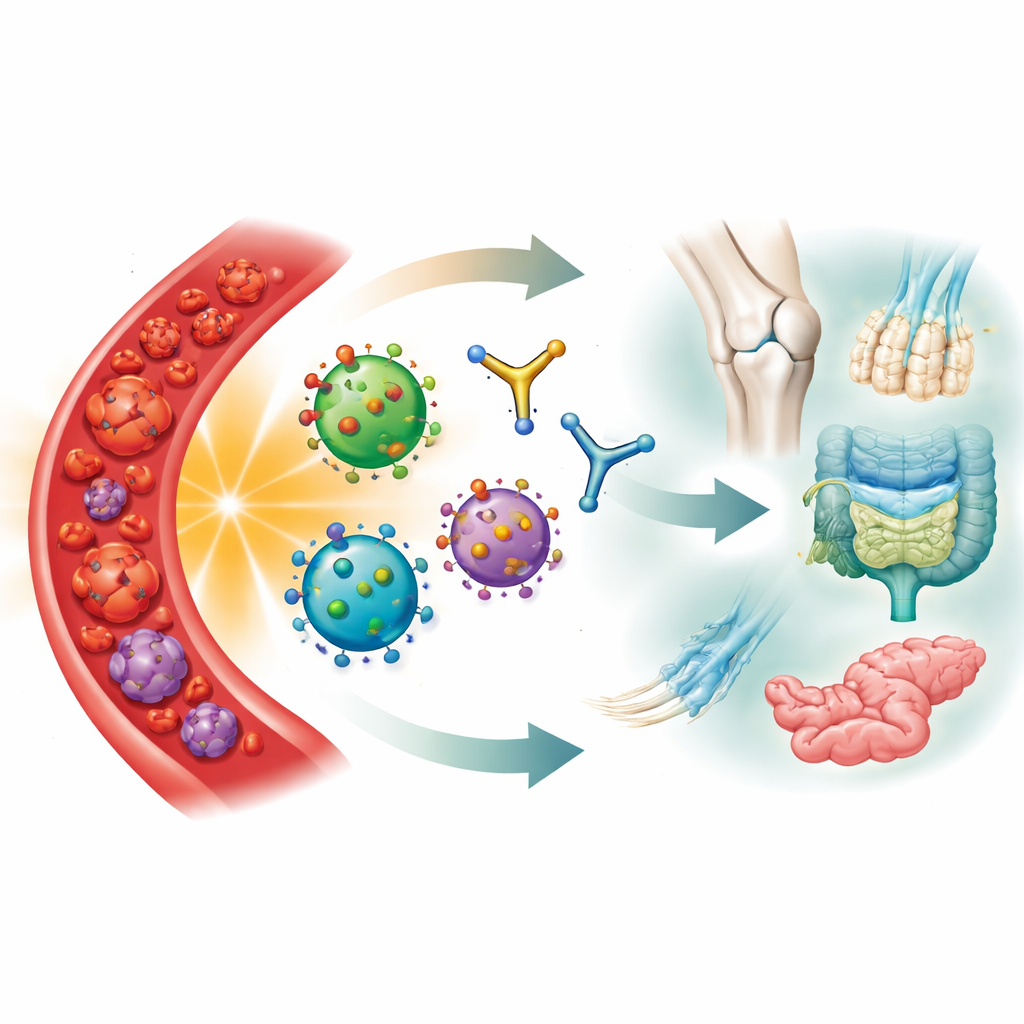
Key Lessons from Blood Cancers
Experience in hematology has revealed several principles that matter just as much when treating autoimmunity. The first is timing: CAR T cells tend to work best when the overall burden of diseased cells is lower, suggesting that earlier intervention in autoimmune illness—before years of scarring and widespread immune chaos—may yield better, longer‑lasting benefit. The quality of the T cells collected from a patient also matters. Fitter, less exhausted T cells expand more robustly after infusion and are more effective. Treatment around the infusion—especially a short course of chemotherapy that clears space for the modified cells to grow—shapes how well they take hold. Finally, doctors have learned to monitor patients with dynamic markers that track CAR T‑cell growth, inflammation, and the re‑emergence of disease, opening the door to more personalized and adaptive use of these powerful therapies.
Resetting Rather Than Suppressing
In autoimmune diseases, the goal is not permanent immune attack, but a one‑time reset that restores a peaceful balance. Earlier work with bone marrow transplantation hinted that temporarily wiping out the immune system and letting it rebuild from scratch could bring years of drug‑free remission, but at the cost of serious risks. CAR T cells and T cell‑engaging antibodies represent a more targeted evolution of this idea. By homing in on B cells and plasma cells that produce harmful autoantibodies, these therapies can deeply clear the cells driving disease activity while largely sparing the rest of the immune system. Early reports in conditions such as systemic lupus erythematosus, inflammatory muscle disease, multiple sclerosis, and myasthenia gravis show rapid improvement in symptoms and lab markers, often allowing patients to stop long‑term immunosuppressive drugs. Notably, many people remain in remission even after the engineered cells can no longer be detected, suggesting that the brief, focused intervention has fundamentally reprogrammed their immune networks. 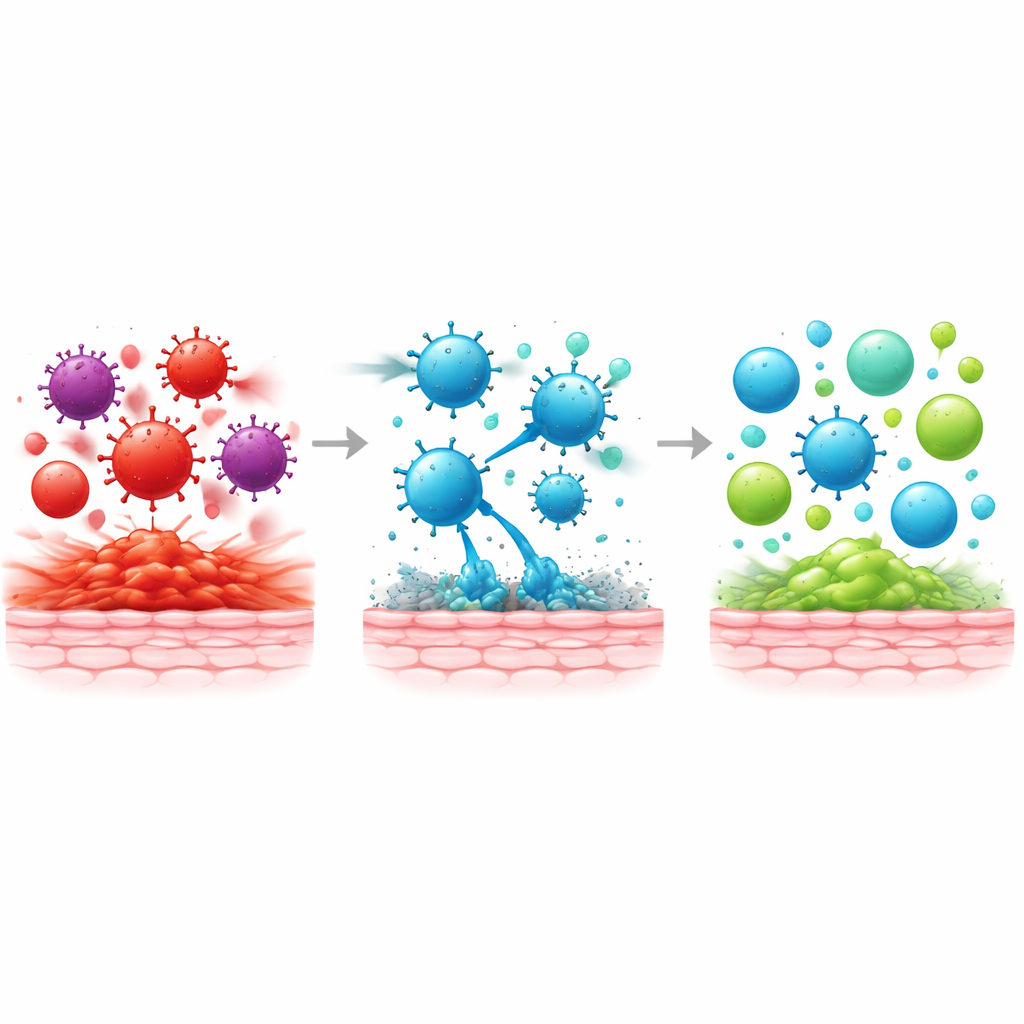
Managing Risks and Practical Realities
Compared with cancer patients, people receiving CAR T cells for autoimmunity have generally experienced milder side effects. The intense fevers and neurological symptoms sometimes seen in oncology have mostly appeared in lower grades, likely because the overall target cell burden and underlying inflammation are smaller. Still, careful preparation, infection prevention, and long‑term monitoring are critical, especially given concerns about fertility, possible secondary cancers from the preparative chemotherapy, and the unknown consequences of prolonged B‑ or T‑cell depletion. Expert groups now recommend that such treatments be delivered only in highly experienced centers, with close cooperation between blood specialists and autoimmune disease experts and structured follow‑up for at least six months after therapy.
Looking Ahead to Smarter Cell Therapies
The authors conclude that CAR T cells and T cell engagers have already delivered remarkable, sometimes unprecedented remissions in people with severe, treatment‑resistant autoimmune diseases, often with surprisingly few complications. Yet major questions remain. Researchers must determine which immune cell targets best balance disease control with preservation of everyday infection defense, how much preparation and dosing are truly needed, and how to position these expensive, complex treatments among existing drugs. Future directions include ready‑made donor CAR T products, next‑generation designs that actively promote tolerance instead of simple attack, and combinations with antibody therapies or bispecific T‑cell engagers. With carefully designed trials and long‑term tracking, these evolving approaches may one day transform the way chronic autoimmune diseases are treated—from endless suppression to precise, durable reset of the immune system.
Citation: Kayser, S., Nagler, A. CAR T cells and T cell engagers for autoimmunity—lessons from hematology. Bone Marrow Transplant 61, 395–399 (2026). https://doi.org/10.1038/s41409-026-02808-1
Keywords: CAR T cells, autoimmune diseases, B cell depletion, cellular immunotherapy, T cell engagers