Clear Sky Science · en
Impact of allogeneic stem cell transplantation in patients with higher risk myelodysplastic syndromes
Why this matters for patients and families
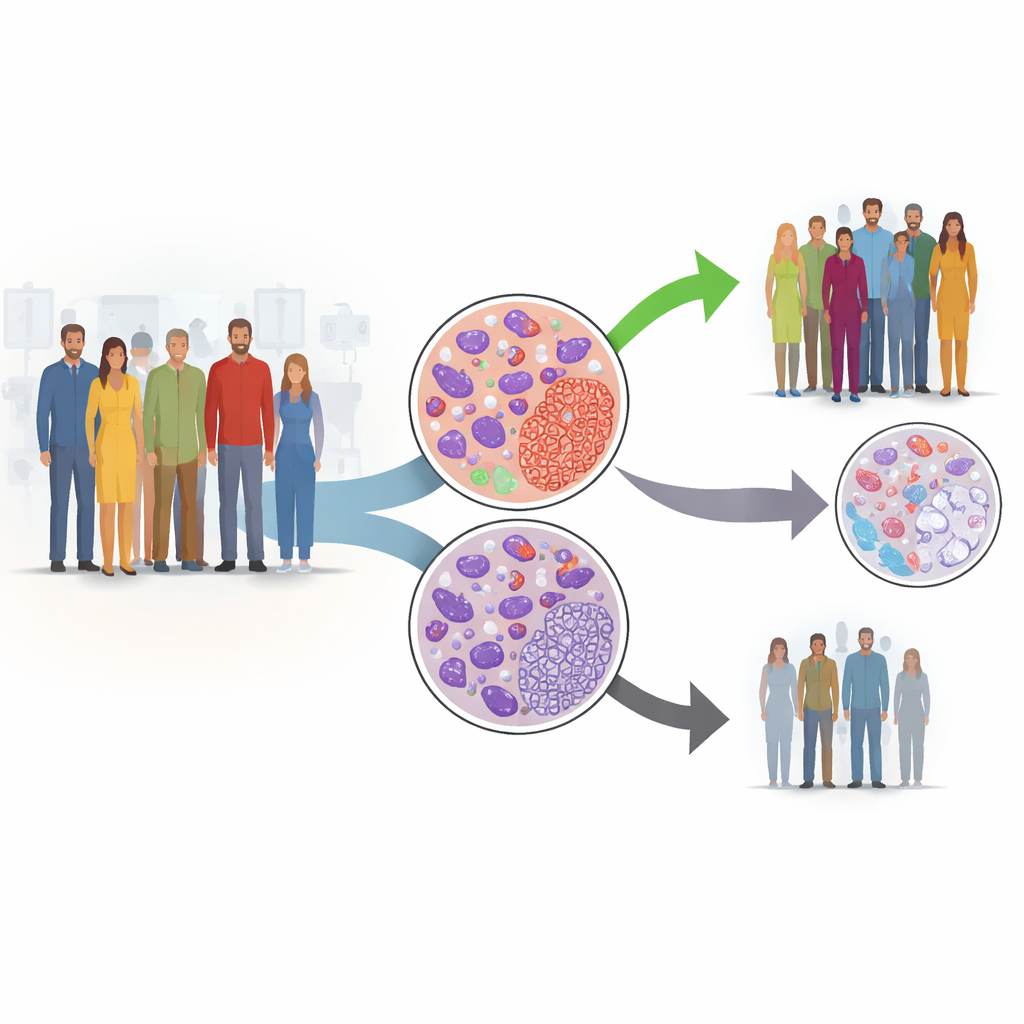
For many older adults, myelodysplastic syndromes (MDS) mean chronic fatigue, infections, and a looming risk of leukemia. Doctors have long known that donor stem cell transplants can sometimes cure this bone marrow disorder, but the treatment is harsh and not everyone benefits. This study followed more than 2000 people with higher‑risk MDS over two decades to ask a crucial question in clear terms: for whom is transplant truly worth the risk, and what has changed with modern care?
A serious blood disorder with limited options
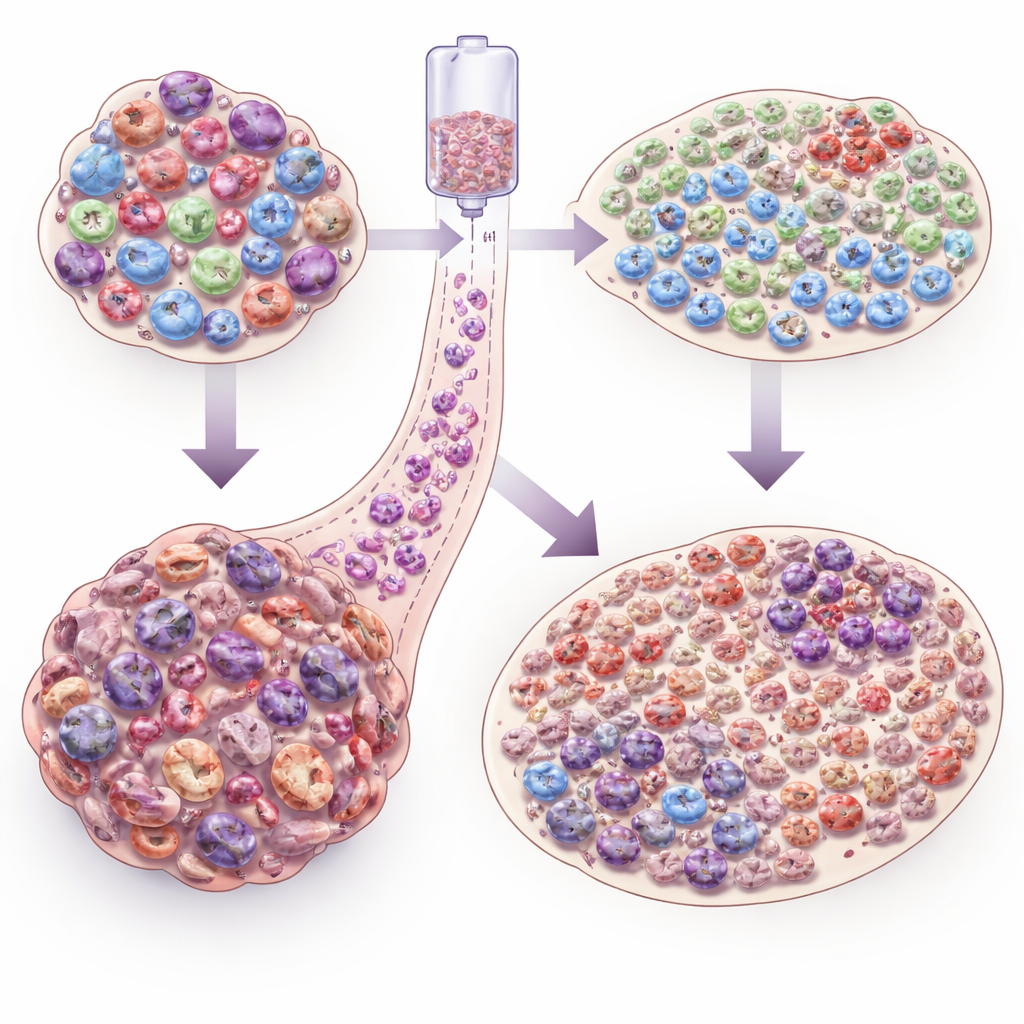
MDS is a group of bone marrow conditions in which the body makes too few healthy blood cells and, in many patients, can evolve into acute leukemia. Standard drugs and supportive care can improve blood counts and delay problems, but they rarely cure the disease. Allogeneic stem cell transplantation—replacing a patient’s blood‑forming system with that of a donor—is the only treatment with clear curative potential. Because it involves powerful conditioning drugs and lifelong immune effects, it has traditionally been reserved for relatively fit people with more dangerous forms of MDS.
Who received transplants and how they fared
Among 2045 patients with higher‑risk MDS treated at a single major cancer center between 2000 and 2023, about one in five ultimately underwent a donor stem cell transplant. Those who received transplants were generally younger and fitter, with somewhat less complex genetic damage in their bone marrow. After transplant, nearly all patients’ donor cells took hold, and most achieved remission of their MDS. Across the transplanted group, half of patients were alive nearly two years later, and about 40 percent were still alive at five years—a major improvement compared with the overall higher‑risk MDS population, in which only 15 percent survived to five years.
Age, treatment advances, and preparation before transplant
One concern has been whether transplant is simply too hard on older adults. Surprisingly, when the researchers compared outcomes by age at the time of transplantation, they found no major differences in survival, relapse, or treatment‑related deaths between younger and older groups. What did matter was overall health and the burden of other medical problems. Over the 23‑year study period, results steadily improved: patients transplanted after 2017 lived much longer than those treated in the early 2000s. The authors link this to better transplant regimens, improved infection control, and refined ways to prevent and manage graft‑versus‑host disease, a complication in which donor immune cells attack the patient’s tissues.
The key role of a single gene
The most powerful predictor of success turned out to be the status of one gene, TP53, often called the “guardian” of the genome. Patients whose MDS did not carry TP53 mutations did remarkably well with transplant: about 69 percent were alive five years later, and transplant clearly extended life compared with similar patients who never received one. In contrast, those with TP53‑mutated disease had poor outcomes even with transplantation, especially when both copies of the gene were affected. Their survival after transplant was often measured in months, and the advantage over non‑transplant approaches was small. The study also showed that people whose bone marrow still contained a high percentage of abnormal cells just before transplant, and those with very complex chromosome changes, tended to do worse.
What this means for decisions today
For patients with higher‑risk MDS whose disease lacks TP53 mutations, this work provides strong evidence that donor stem cell transplantation can offer a realistic chance at long‑term survival, even cure, particularly in centers experienced with modern transplant techniques. Age alone should not automatically rule out this option; instead, overall health and fitness are more important. For those with TP53‑mutated MDS, however, transplant benefits are limited, and the decision demands careful discussion about risks, modest gains in life expectancy, and quality of life. The authors conclude that while transplant is now a highly effective path for a clearly defined group of patients, new strategies are urgently needed for those whose disease is driven by TP53 and other high‑risk genetic changes.
Citation: Bazinet, A., Bataller, A., Chien, K. et al. Impact of allogeneic stem cell transplantation in patients with higher risk myelodysplastic syndromes. Blood Cancer J. 16, 48 (2026). https://doi.org/10.1038/s41408-026-01479-x
Keywords: myelodysplastic syndromes, stem cell transplantation, TP53 mutations, bone marrow failure, blood cancer