Clear Sky Science · en
Prognosis and treatment of plasmablastic lymphoma in the United States: a multicenter retrospective study
A Rare Blood Cancer with Changing Outcomes
Plasmablastic lymphoma is a rare and aggressive blood cancer that was once almost always fatal within a year. It often strikes people whose immune systems are weakened, such as those living with HIV or patients who have received organ transplants. This study brings together information from hundreds of patients treated across major U.S. cancer centers to answer questions that matter to patients and doctors alike: Who is most at risk, how long are people now living with this disease, and which treatments truly help rather than merely add side effects?
Who Gets This Unusual Lymphoma?
Plasmablastic lymphoma arises from white blood cells that have started to resemble antibody-producing plasma cells. In this study, doctors looked back at 344 adults treated between 2005 and 2022 at 21 academic hospitals around the United States. Patients were grouped based on their immune status: those living with HIV, those who developed lymphoma after an organ transplant, those with other causes of immune weakness (such as prior chemotherapy or autoimmune disease), and those with otherwise normal immunity. Most patients were in their early fifties, nearly four out of five were men, and almost all had disease that had already spread widely at the time of diagnosis, often outside the lymph nodes to places like the digestive tract, bone marrow, or head and neck.
How the Study Was Done
Because plasmablastic lymphoma is so uncommon, running large, forward-looking trials is difficult. Instead, the researchers performed a retrospective cohort study, meaning they assembled and analyzed existing medical records. They tracked how long patients lived overall and how long they remained free from lymphoma progression after starting treatment. To make fair comparisons between immune groups that differed in age and other features, the team used advanced statistical methods that mimic some aspects of randomized trials by rebalancing the groups. They also examined many potential risk factors, including age, performance status (how well patients could carry out daily activities), disease stage, blood markers of tumor burden, and specific genetic or viral signatures in the cancer cells.
What the Outcomes Reveal
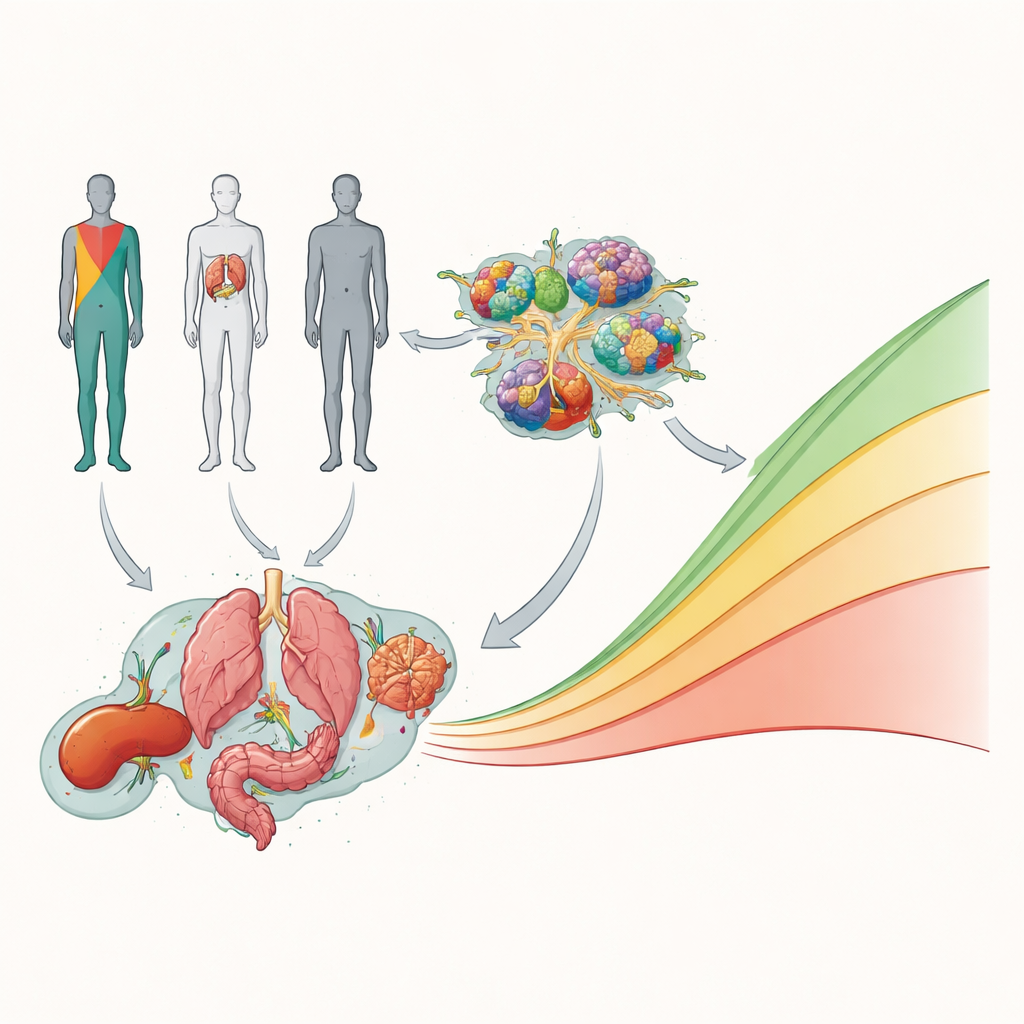
The clearest and most encouraging finding is that survival has improved dramatically compared with earlier decades. Across all patients, the median overall survival was about five years, far longer than the 8 to 15 months reported in early studies. However, outcomes still varied by immune background. People living with HIV had the longest survival, with a median of just over seven years, while those who developed the lymphoma after an organ transplant fared worst, with survival around one year. Patients with other immune problems or intact immunity fell in between. Once the researchers adjusted for age and other differences, these gaps narrowed, suggesting that traditional risk factors such as older age, more advanced stage, poor physical functioning, and elevated blood markers were stronger drivers of prognosis than HIV status itself. Bone marrow involvement signaled more aggressive disease, while infection with the Epstein–Barr virus in the tumor cells was linked to somewhat better control of the cancer over time.
Treatment Choices and Their Limits
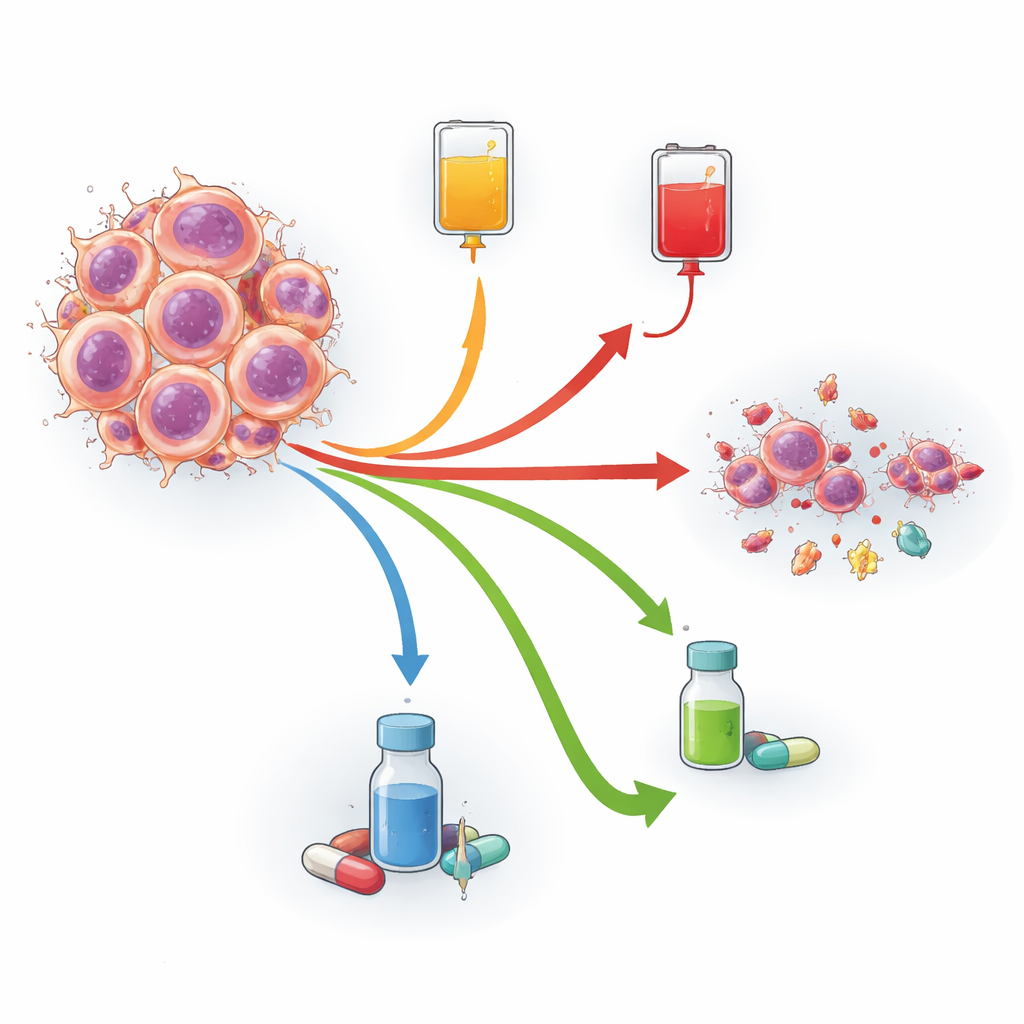
Doctors have often assumed that more intensive chemotherapy is needed for this fast-growing lymphoma, and guidelines have tended to favor stronger regimens. In this large real-world series, most patients received a commonly used multi-drug program called EPOCH, while a smaller share received the older standard CHOP or very high-dose combinations. Surprisingly, there was no clear survival advantage to the heavier regimens. Response rates were similar, and the tougher treatments actually caused more treatment-related deaths. Likewise, adding drugs borrowed from the treatment of multiple myeloma, such as the proteasome inhibitor bortezomib, did not improve how long patients lived or stayed in remission when used up front. Standard tools like radiation therapy, stem cell transplant consolidation, and preventive treatment to protect the brain and spinal cord also failed to show consistent survival benefits once other factors were taken into account.
What This Means for Patients and Future Care
For patients and families facing plasmablastic lymphoma, this study carries a mixed but important message. On the one hand, survival has improved markedly in the modern era, likely due to better supportive care, advances in HIV treatment, and access to newer drugs when the disease returns. On the other hand, the cancer remains challenging, with only about half of patients alive five years after diagnosis and no single best first-line treatment clearly established. The findings suggest that pushing chemotherapy to higher intensity may not buy extra time and may instead add risk, underscoring the need for smarter, targeted approaches. The authors argue that carefully designed clinical trials testing biological therapies and immunotherapies, informed by a deeper understanding of how viruses, genes, and the immune system shape this lymphoma, will be essential to further improve outcomes.
Citation: Hamby, M., Egleston, B.L., Frosch, Z.A.K. et al. Prognosis and treatment of plasmablastic lymphoma in the United States: a multicenter retrospective study. Blood Cancer J. 16, 43 (2026). https://doi.org/10.1038/s41408-026-01457-3
Keywords: plasmablastic lymphoma, HIV-associated lymphoma, aggressive blood cancer, chemotherapy intensity, immunodeficiency