Clear Sky Science · en
Fecal metaproteomics reveals alterations in gut microbiota and intestinal proteins in adolescents with bipolar depression
Why the Gut Matters for Teen Mood
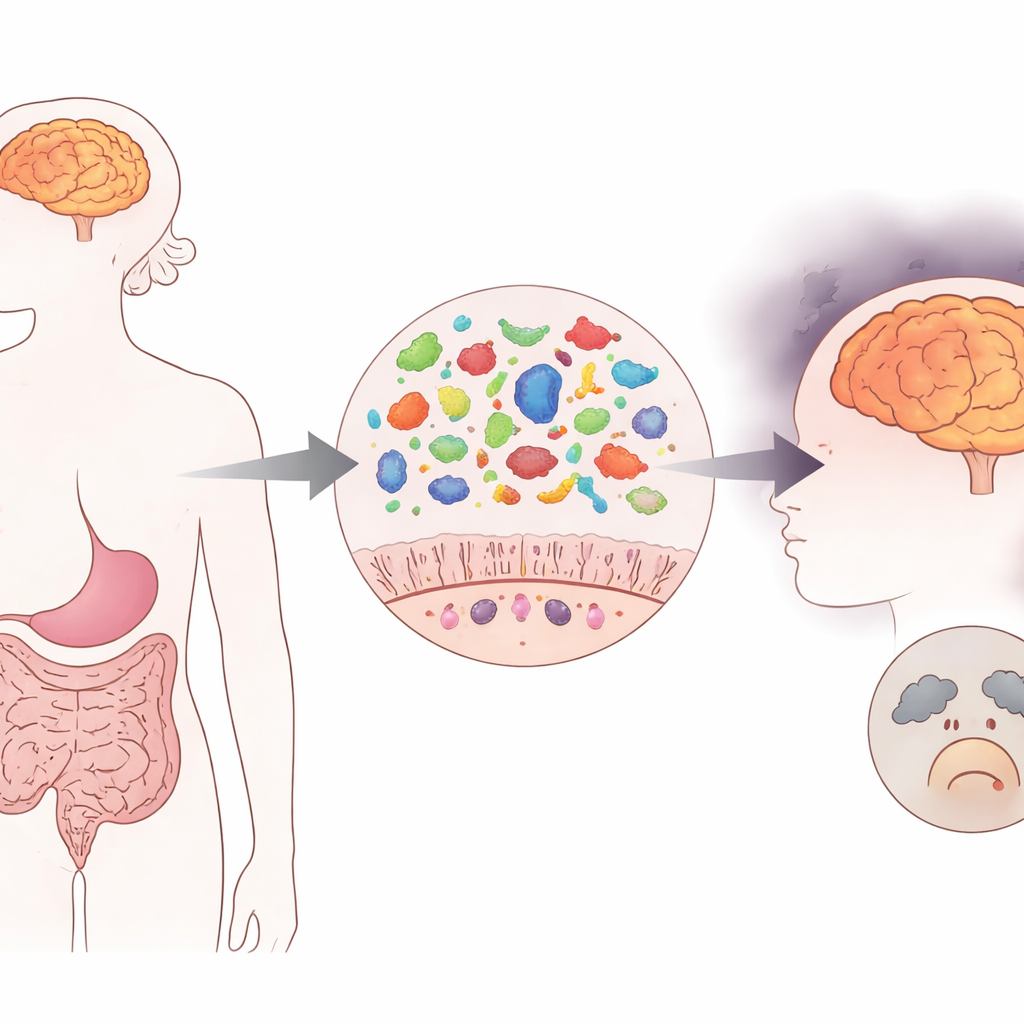
Bipolar disorder is best known as a brain condition, but many teens who live with it also struggle with stomach upset, bowel problems, and fatigue. This study looks inside an unexpected place—the contents of the toilet—to see what the gut can reveal about bipolar depression in adolescents. By analyzing thousands of proteins from both microbes and the intestine itself, the researchers searched for hidden signals that might one day help doctors diagnose the illness earlier and understand why the gut and brain seem so tightly linked.
Looking at Stool Through a New Lens
Instead of focusing only on bacterial DNA, the team used a technique called metaproteomics, which reads out the active proteins present in fecal samples. They collected stool from 15 adolescents hospitalized with bipolar depression and 58 healthy peers. This approach allowed them to study not just which microbes were present, but also what those microbes—and the human gut—were actually doing. They could then compare patterns between patients and healthy volunteers to see whether certain proteins or groups of bacteria consistently differed.
Shifts in Gut Residents in Bipolar Depression
The overall mix of gut microbes looked broadly similar between teens with bipolar depression and healthy controls, but there were important differences in detail. Patients showed reduced richness—that is, fewer distinct microbial types—and a drop in certain helpful groups found in many healthy guts. At the same time, several bacterial families associated with producing and using the compound lactate were more common, including Bifidobacteriaceae and Megasphaera. Another genus, Alistipes, which has been linked in other studies to stress, fatigue, and mood disorders, was also increased. These shifts suggest that the chemical environment in the intestines of affected teens is altered in ways that may influence both immunity and brain signaling.
Intestinal Proteins Tell Their Own Story
The metaproteomic scan also revealed striking changes in proteins made by the human gut itself. Several immune-related proteins were higher in adolescents with bipolar depression, hinting at subtle inflammation or an activated defense state in the intestinal lining. In contrast, a set of digestive and protective proteins was reduced, including CELA2A, DEFA3, and KLK1. These molecules normally help break down food, keep the gut barrier intact, and maintain a healthy balance of microbes. Their lower levels could reflect impaired gut protection or a long‑simmering inflammatory process, echoing known links between bipolar disorder and intestinal diseases.
From Microbes and Proteins to Possible Tests
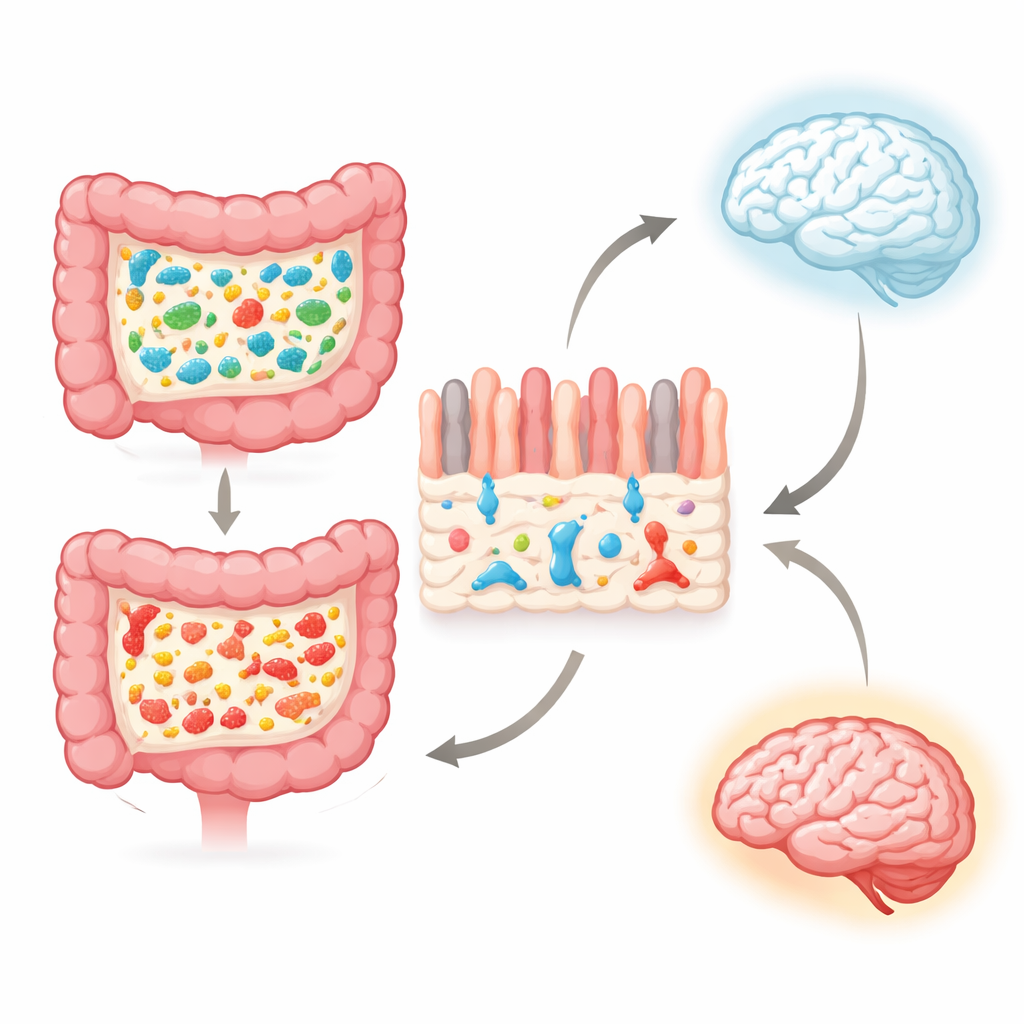
To see whether any of these proteins might serve as warning flags for bipolar depression, the researchers tested how well they could distinguish patients from healthy teens. CELA2A, DEFA3, and KLK1 performed especially well in statistical models, correctly classifying most participants based solely on their fecal levels. The team also mapped how these proteins related to specific microbes: for example, CELA2A tracked closely with certain bacteria that were less abundant in patients, while DEFA3 showed strong ties to species involved in processing dietary sugars and bile acids. These networks point toward complex, two‑way interactions between gut residents and the intestinal wall.
What This Could Mean for Teens and Families
For lay readers, the main message is that bipolar depression in adolescents appears to leave a clear fingerprint in the gut: fewer types of microbes overall, more stress‑linked and lactate‑related bacteria, and lower levels of several protective intestinal proteins. While the study is small and needs confirmation in larger, drug‑naïve groups, it suggests that stool samples might eventually help doctors detect bipolar depression earlier or monitor its course without invasive tests. More broadly, it strengthens the idea that caring for mental health may also mean paying attention to gut health, as the gut–brain conversation seems to play a real role in how mood disorders unfold.
Citation: Zhao, Z., Yang, F., Tan, Y. et al. Fecal metaproteomics reveals alterations in gut microbiota and intestinal proteins in adolescents with bipolar depression. Transl Psychiatry 16, 166 (2026). https://doi.org/10.1038/s41398-026-03899-6
Keywords: bipolar depression, gut microbiome, adolescent mental health, metaproteomics, gut-brain axis