Clear Sky Science · en
Quality of life after spinal cord injury: a qualitative interview-based study
Why Life After Spinal Cord Injury Matters
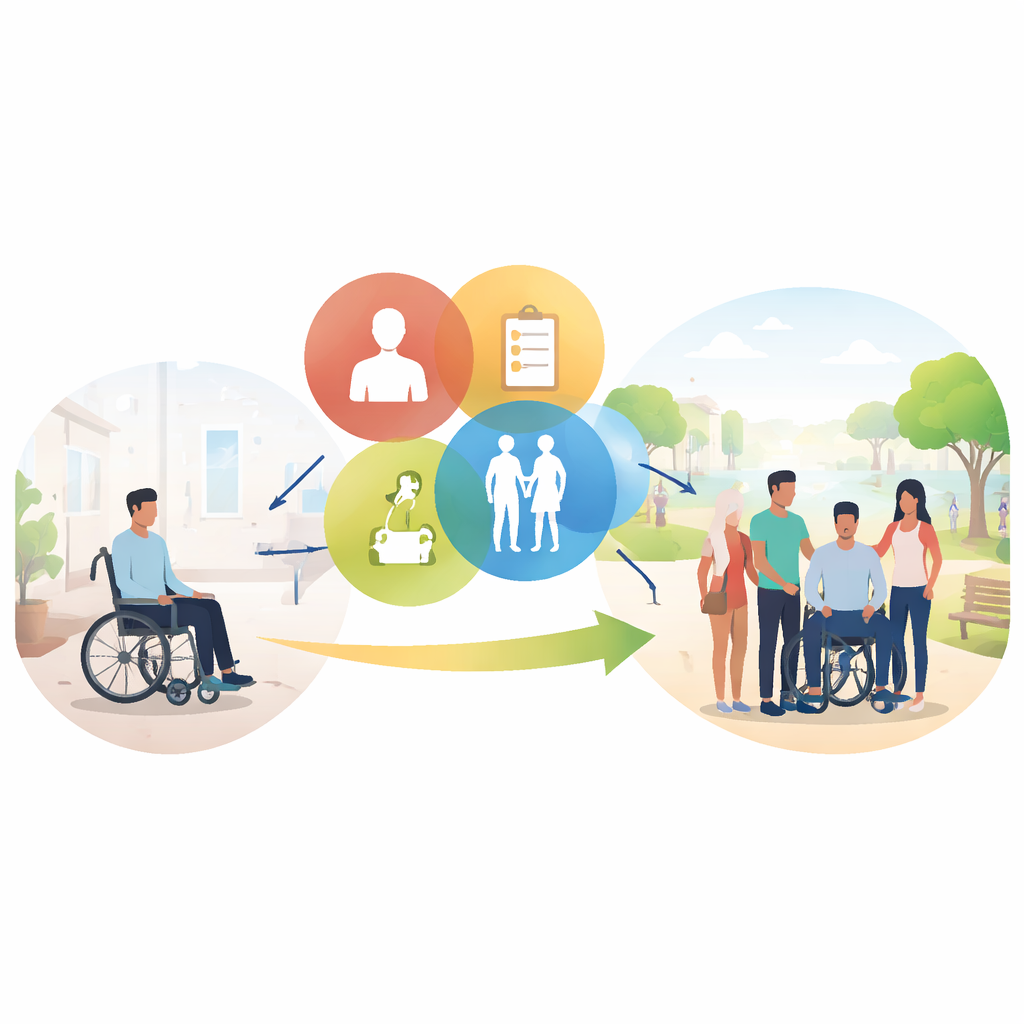
Surviving a spinal cord injury is only the beginning of a long journey. Advances in medicine now help many people live for decades after such injuries, but survival alone does not guarantee a good life. This study listens directly to people living with spinal cord injuries to understand what truly shapes their everyday quality of life: what makes days manageable, meaningful, and worth looking forward to.
Listening to People’s Own Stories
Instead of relying only on checkboxes and scores, the researchers used in-depth conversations with 13 adults treated at a specialized spinal cord injury clinic in Sweden. Each participant had lived with their injury for years, sometimes decades. In interviews lasting about half an hour, they rated how they had been feeling recently in different areas of life and then described, in their own words, what “quality of life” meant to them. By carefully analyzing these stories, the team identified common themes that kept appearing across people’s experiences.
The Weight of Ongoing Health Problems
One of the strongest themes was the burden of long-lasting physical problems. People described pain, muscle spasms, bladder and bowel difficulties, and sexual problems as constant companions that reached into every part of life. Pain in particular could drain energy, limit activity, and cloud mood. Participants worried about new surgeries or medical devices that might help but also carried risks. When treatment worked well, it clearly lifted their quality of life; when health declined or complications appeared, it triggered anxiety, sadness, and a sharper sense of loss.
Everyday Life, Money, and Practical Help
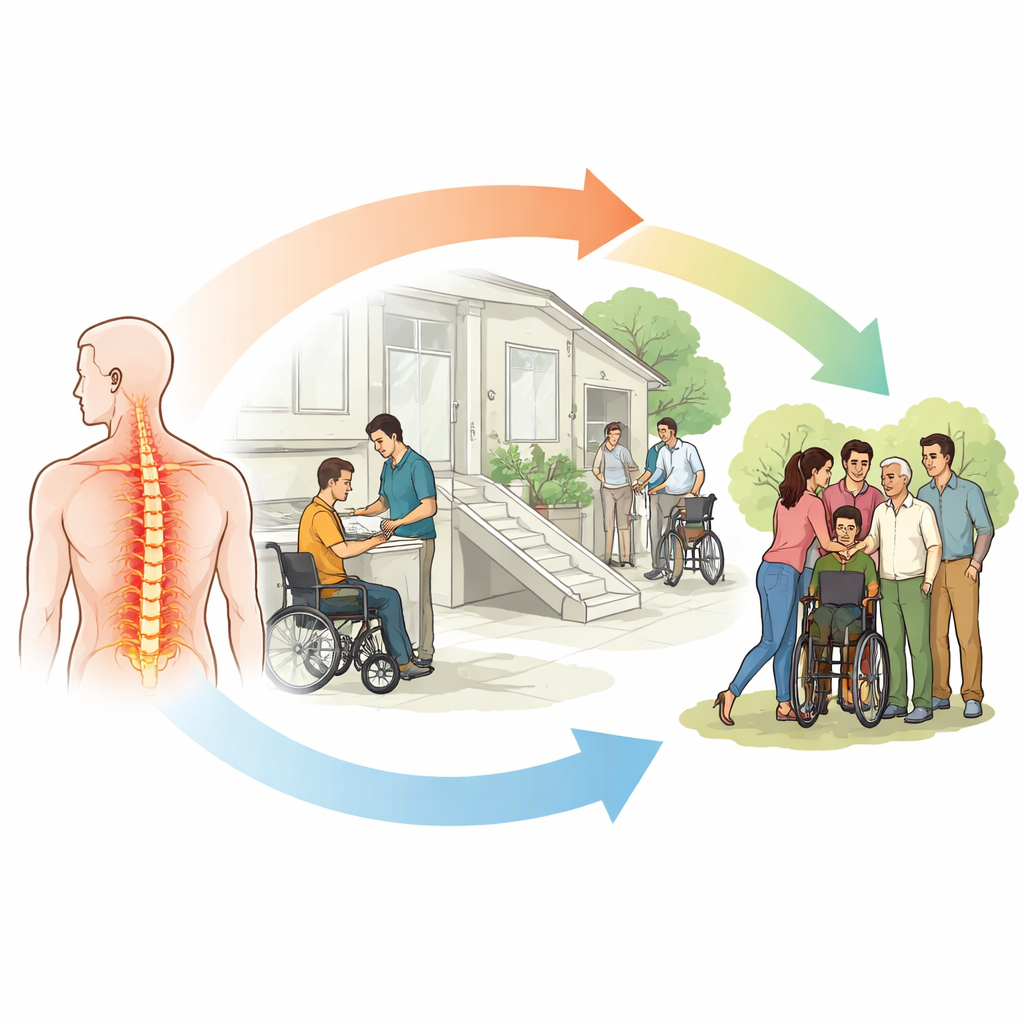
Another major theme centered on the nuts and bolts of daily living. Many participants struggled with limited personal assistance, complicated paperwork, and public spaces that were hard to access. They worried about what would happen if a partner or family member could no longer help, and about whether they could afford the equipment and home changes they needed. Reliable support at home, adequate financial help, and a reasonable workload made life feel more secure and less exhausting. When these supports were missing or fragile, stress and uncertainty rose sharply.
Independence, Identity, and Comparing Lives
Independence—being able to decide and do as much as possible for oneself—was central to how people judged their lives. Driving a car, managing one’s own assistants, choosing when and how to work, or keeping up hobbies all contributed to a sense of control and self-respect. At the same time, participants often compared their current lives both to others and to their own past. Some found comfort in recognizing that others had it worse, or in focusing on intact thinking and personality. Others felt grief over lost abilities, like running or cycling, that had once defined who they were.
Belonging, Relationships, and Feeling Needed
Social ties emerged as a powerful source of strength. Supportive families, friends, co-workers, and broader communities helped people feel valued and included. Simple activities—sharing a meal, traveling together, or being part of a group—could significantly lift spirits. Conversely, loneliness, strained romantic relationships, or feeling on the outside of everyday social life damaged quality of life. For many, having a job or meaningful role in the community was not just about income; it was about having a purpose and feeling needed.
What This Means for Life After Injury
To someone outside the medical world, the message of this study is clear: living well after a spinal cord injury is about far more than medical survival or even basic physical care. People highlighted three pillars of a good life—managing ongoing health problems, preserving as much independence as possible, and staying deeply connected to others. When health services, personal assistance, and communities work together to support these pillars, individuals with spinal cord injuries are better able to build lives that feel full, dignified, and meaningful.
Citation: Stenimahitis, V., Holmgren, A.G., Gharios, M. et al. Quality of life after spinal cord injury: a qualitative interview-based study. Spinal Cord Ser Cases 12, 9 (2026). https://doi.org/10.1038/s41394-026-00735-3
Keywords: spinal cord injury, quality of life, chronic disability, social support, independence