Clear Sky Science · en
Metabolic vulnerabilities and therapeutic opportunities in diffuse large B-cell lymphoma
Why this lymphoma story matters
Diffuse large B cell lymphoma is the most common fast-growing lymphoma in adults. Many people are cured with current treatments, yet about one in three patients still see their cancer return. This review argues that one missing piece of the puzzle is how these tumors fuel themselves. By looking at cancer metabolism, doctors may be able to sort patients into more precise groups and match them with treatments that cut off each tumor’s favorite energy source.
Different fuel habits in the same cancer
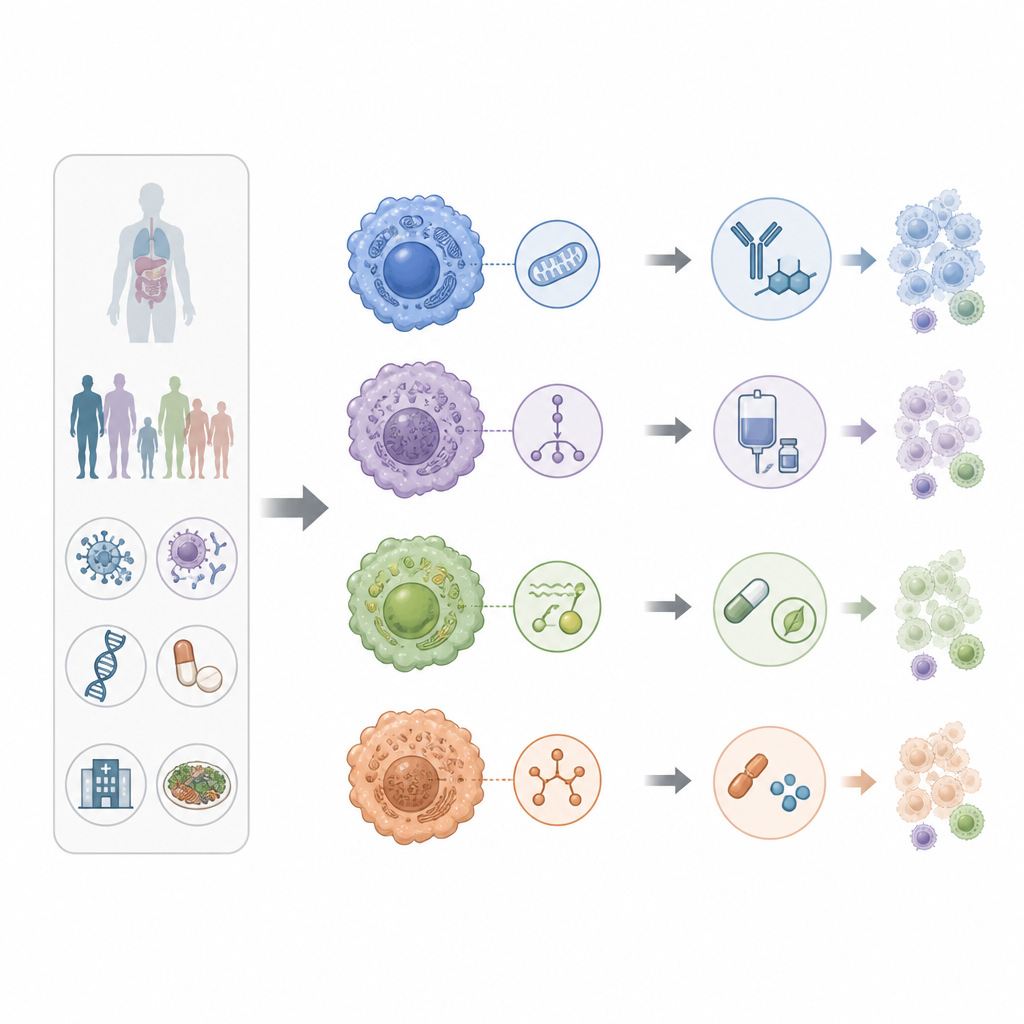
B cells, the white blood cells that can turn into this lymphoma, naturally switch between resting phases and bursts of intense growth. In the body’s germinal centers, they divide at high speed in a low-oxygen, nutrient-poor niche, adapting their metabolism to survive. When these cells become malignant, the result is diffuse large B cell lymphoma, a disease that is far from uniform. Traditional classifications sort tumors by gene activity or mutation patterns, but newer work shows that tumors also fall into distinct metabolic styles. Some rely more on burning sugar, others on mitochondrial respiration and fats, and still others are strongly shaped by their surrounding immune and support cells.
Looking at lymphoma through a metabolic lens
One influential approach divided these lymphomas into three metabolic clusters. A first group shows strong mitochondrial energy use and fatty acid burning. A second is marked by signals from the B cell receptor and high sugar breakdown, while a third reflects an active immune and tissue environment. Interestingly, these metabolic groupings do not line up with older genetic subtypes, suggesting they offer fresh information about how the disease behaves and responds to treatment. Although these groupings are currently based on patterns of gene expression rather than direct chemical measurements, they provide a roadmap for future studies that measure metabolites and energy flows more precisely.
How standard treatments already stress tumor metabolism
Standard first-line therapy for this lymphoma combines several chemotherapies with the antibody rituximab. These drugs were not designed with metabolism in mind, yet they strongly disturb how cancer cells manage energy and damage. Cyclophosphamide forces cells into costly DNA repair. Doxorubicin harms mitochondria and increases reactive molecules that strain antioxidant defenses. Vincristine interferes with structures needed for cell division and transport, which are tied to energy use. Prednisone reshapes sugar and fat handling throughout the body. Rituximab, beyond helping the immune system attack tumor cells, dampens growth signals that normally promote sugar use and mitochondrial activity. Together these agents form a kind of accidental metabolic cocktail, hitting different fuel pathways even though patients are not yet chosen based on metabolic type.
New tactics that deliberately cut the fuel lines
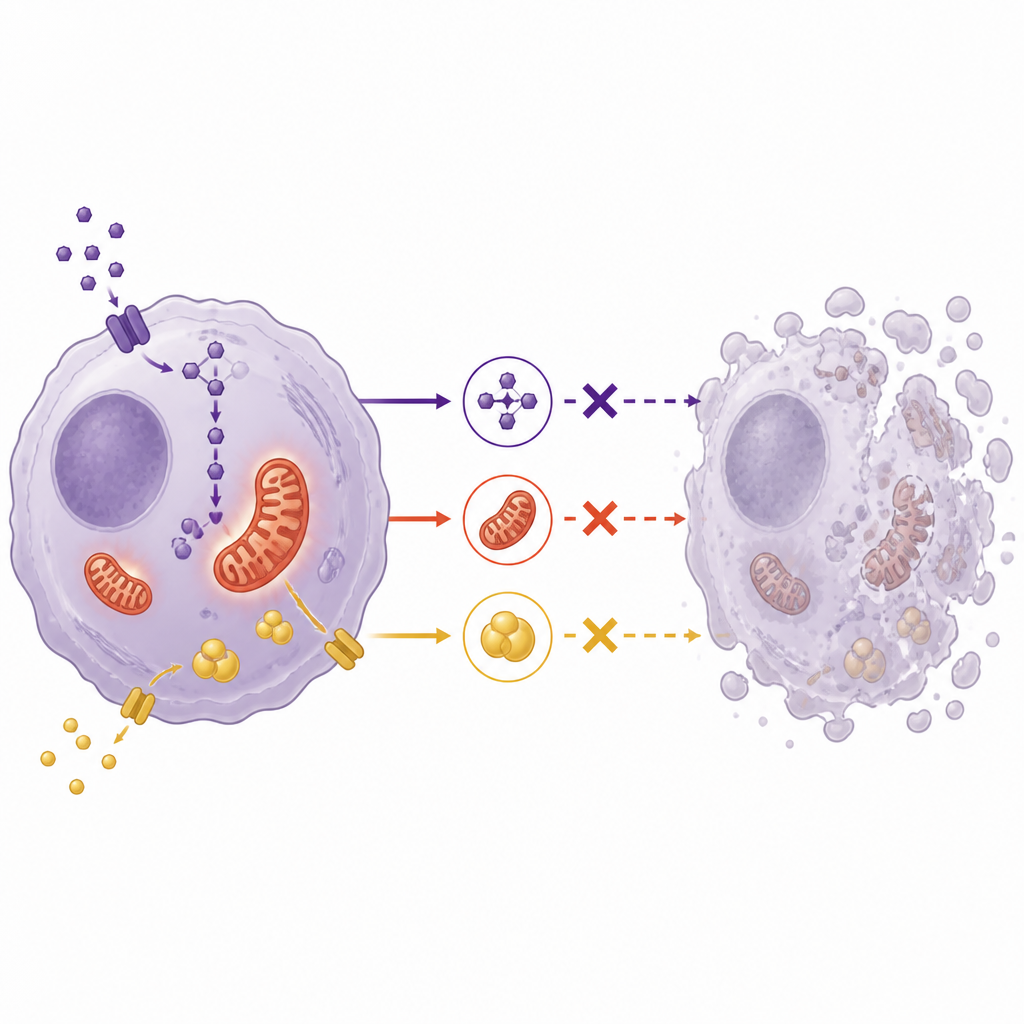
Armed with this new understanding, researchers are testing drugs that directly target energy and building-block pathways in diffuse large B cell lymphoma. Some block lactate transporters or enzymes in sugar breakdown, forcing sugar-hungry tumors into an energy crisis. Others cut off glutamine, a key amino acid that feeds the cell’s central energy cycle and antioxidant systems, or interfere with fatty acid breakdown and synthesis, making it harder to generate membranes and cope with stress. Still others inhibit mitochondrial respiration itself. When these agents are combined, for example blocking both lactate export and mitochondrial energy production, cancer cells can be pushed beyond their ability to adapt.
Metabolism meets modern immunotherapy
New immune treatments, such as CAR T cells and bispecific antibodies, add another layer to this metabolic story. These therapies drive T cells to attack lymphoma cells, creating fierce local competition for glucose, amino acids, and oxygen. The fitness of the T cells depends on their own balance between sugar use and mitochondrial activity, while tumor cells with flexible metabolism can sometimes weather this assault. Matching the metabolic style of the CAR T product to that of the tumor, or pairing immune therapies with metabolic drugs that expose specific weaknesses, may improve the depth and durability of responses.
What this means for patients
The authors conclude that metabolism is not just a side effect of cancer growth but a central factor in why some lymphomas respond to therapy and others resist. They envision a future in which patients are profiled not only by genetics and immune markers but also by the fuels their tumors depend on and how their microenvironment shapes those choices. Carefully designed combinations of metabolic drugs, chemotherapy, and immunotherapy, guided by biomarkers and imaging of tumor metabolism, could turn hidden metabolic quirks into clear treatment targets. While more clinical trials are needed, this metabolism-informed approach offers a path toward more tailored, effective, and less toxic care for people with diffuse large B cell lymphoma.
Citation: Neumann, M.AC., Frezza, C. Metabolic vulnerabilities and therapeutic opportunities in diffuse large B-cell lymphoma. Oncogenesis 15, 22 (2026). https://doi.org/10.1038/s41389-026-00629-x
Keywords: diffuse large B cell lymphoma, cancer metabolism, lymphoma treatment, immunotherapy, metabolic targets