Clear Sky Science · en
Multi-cohort analysis of metagenome for type 2 diabetes identified universal gut microbiota signatures across populations
Why Your Gut May Matter for Blood Sugar
Type 2 diabetes is often blamed on genes, diet, and lack of exercise. But growing evidence suggests another key player lives inside us: the trillions of bacteria in our intestines. This study brings together data from people in both Europe and Asia to ask a simple but far-reaching question: do people with type 2 diabetes share a recognizable pattern of gut microbes, no matter where they live? The answer could open doors to new ways of predicting, preventing, and diagnosing diabetes using a stool sample instead of a needle stick.
Many People, One Big Comparison
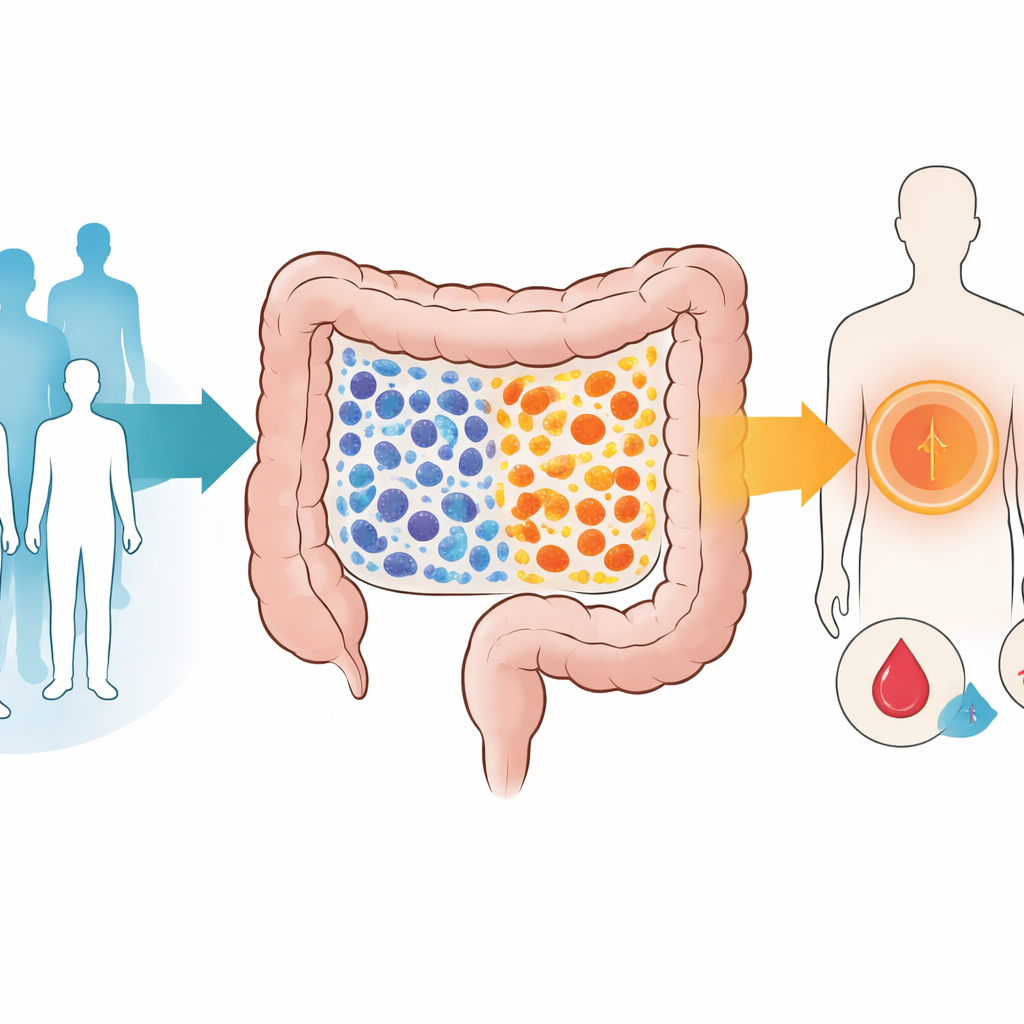
The researchers combined stool DNA data from 433 adults, about half with type 2 diabetes and half without, drawn from several earlier studies in Europe and Asia. Instead of looking at just a single marker of bacteria, they used deep “shotgun” sequencing, which reads vast stretches of microbial DNA and can distinguish species with fine detail. By merging datasets across countries and carefully matching age and other factors, they boosted the statistical power to see patterns that might be too subtle to detect in any one study alone.
A Busier, Reorganized Gut Community
Contrary to the common belief that illness always goes with a loss of microbial diversity, people with type 2 diabetes in this combined analysis tended to have a more even and varied mix of gut bacteria than healthy controls. Measures of diversity were consistently higher in the diabetes group, while the sheer number of different species was similar. When the team looked at how entire communities were arranged, they found clear separations between those with and without diabetes in both European and Asian groups. At the same time, gut communities from Europe and Asia differed strongly from each other, underlining how diet, genetics, and lifestyle shape the microbial backdrop against which disease develops.
Shared Microbial Winners and Losers
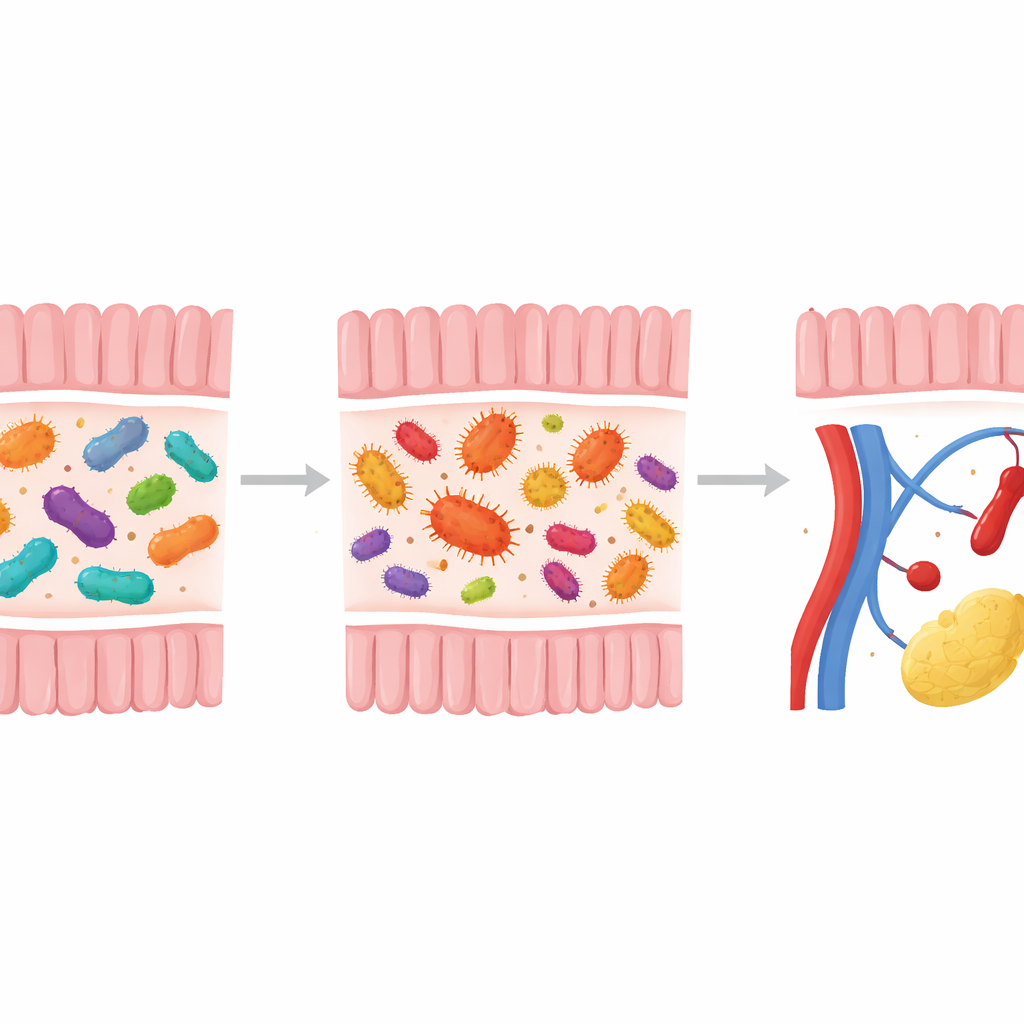
To find reliable “signatures” of diabetes, the scientists focused on bacterial species that changed in the same direction in both continents. After filtering out rare or inconsistent species, they identified 18 that behaved consistently: 10 became more common in people with diabetes, and 8 became scarcer. Some members of the Clostridium group and a species called Bacteroides ovatus were among the frequent “winners,” while others such as Streptococcus thermophilus and Haemophilus parainfluenzae tended to decline. These microbes did not act alone. The diabetes-enriched species formed a tight network that was negatively linked to a counterpart network of depleted species, suggesting two opposing camps of gut residents whose balance shifts with disease.
From Microbes to Blood Sugar Signals
Next, the team asked whether these microbial shifts lined up with clinical measures of diabetes. They found that several of the bacteria that grew more abundant in people with diabetes were strongly linked to higher fasting blood sugar and higher glycated hemoglobin, a marker of long-term glucose levels. In contrast, some of the depleted species tended to track with more favorable body measures. When the researchers looked at microbial functions, they saw repeatable changes in a handful of pathways, including a drop in DNA repair activity and an increase in a pathway tied to diabetes complications. These functional shifts hint that the altered gut community may not only mirror disease, but also influence inflammation and metabolic stress in the body.
Gut Clues as Future Diagnostic Tools
Finally, the scientists tested whether these bacterial patterns could help tell who has diabetes. They trained a machine-learning model on the 18 key species and found that it could distinguish people with diabetes from healthy controls with high accuracy, in both European and Asian datasets. Adding simple clinical details such as age, sex, and body mass index made the model perform even better. Because the same set of microbial markers worked reliably across very different populations, they may form the basis of future screening tools that use the gut microbiome as an early warning system for type 2 diabetes.
What This Means for Everyday Health
In plain terms, this study shows that people with type 2 diabetes around the world tend to share a recognizable microbial fingerprint in their guts, despite big differences in culture and cuisine. Certain bacteria are consistently more common, others consistently rarer, and these shifts are closely tied to blood sugar levels and related health measures. While this work does not prove that these microbes cause diabetes, it strengthens the idea that the gut community is deeply entwined with how the body handles sugar. In the future, tracking and perhaps gently reshaping these bacterial communities could become part of how we prevent, detect, and manage type 2 diabetes across diverse populations.
Citation: Dong, Y., Wang, M., Zhou, X. et al. Multi-cohort analysis of metagenome for type 2 diabetes identified universal gut microbiota signatures across populations. Nutr. Diabetes 16, 9 (2026). https://doi.org/10.1038/s41387-026-00418-w
Keywords: gut microbiome, type 2 diabetes, metagenomics, microbial biomarkers, blood sugar