Clear Sky Science · en
Structural analysis of causal pathways between adherence, satisfaction and clinical outcomes in hypertensive patients using a mobile adherence intervention: A SEM–NCA–cIPMA approach
Why remembering pills matters
High blood pressure is one of the world’s most common silent killers, yet many people struggle to take their medicines every day as prescribed. This study tested a smartphone app, called CareAide, designed to help patients remember their blood pressure pills and stay on track over time. By following hundreds of adults in Malaysia for six months, the researchers asked a simple but important question: can a well-designed phone app not only improve how reliably people take their medicines, but also lead to healthier blood pressure — and what, exactly, has to go right for that to happen?
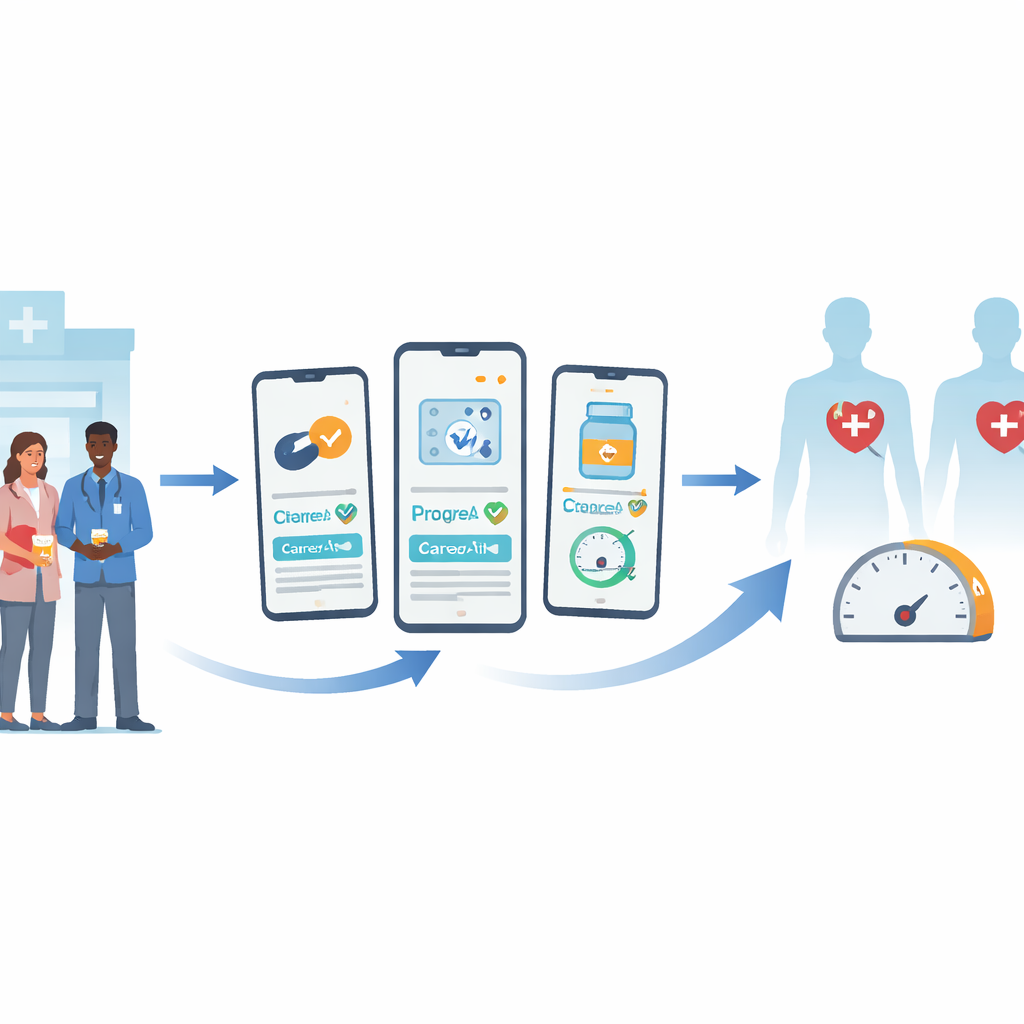
From clinic visit to phone in the pocket
The study enrolled 275 adults with high blood pressure who were already having trouble sticking to their medication schedule. Everyone received usual care from their doctors, but half were randomly assigned to also use the CareAide app. CareAide automatically listed their prescribed medicines, sent reminders, and let users track whether they had taken each dose. The team measured how faithfully people took their medicines at three months and six months, and also recorded blood pressure at the same times. This setup let them see not just whether the app worked, but when its effects appeared and how they unfolded.
Early progress sets the stage
People using the app showed clear gains in how consistently they took their medicines, and these gains appeared early. After three months, app users were already more adherent than those receiving usual care alone. By six months, the gap had widened further. The researchers found that early improvement at three months strongly predicted who would still be doing well at six months. In other words, short-term progress was not a trivial blip — it laid the groundwork for lasting habits. This pattern matches everyday experience: once a reminder routine and checking habit are established, it becomes easier to keep going.
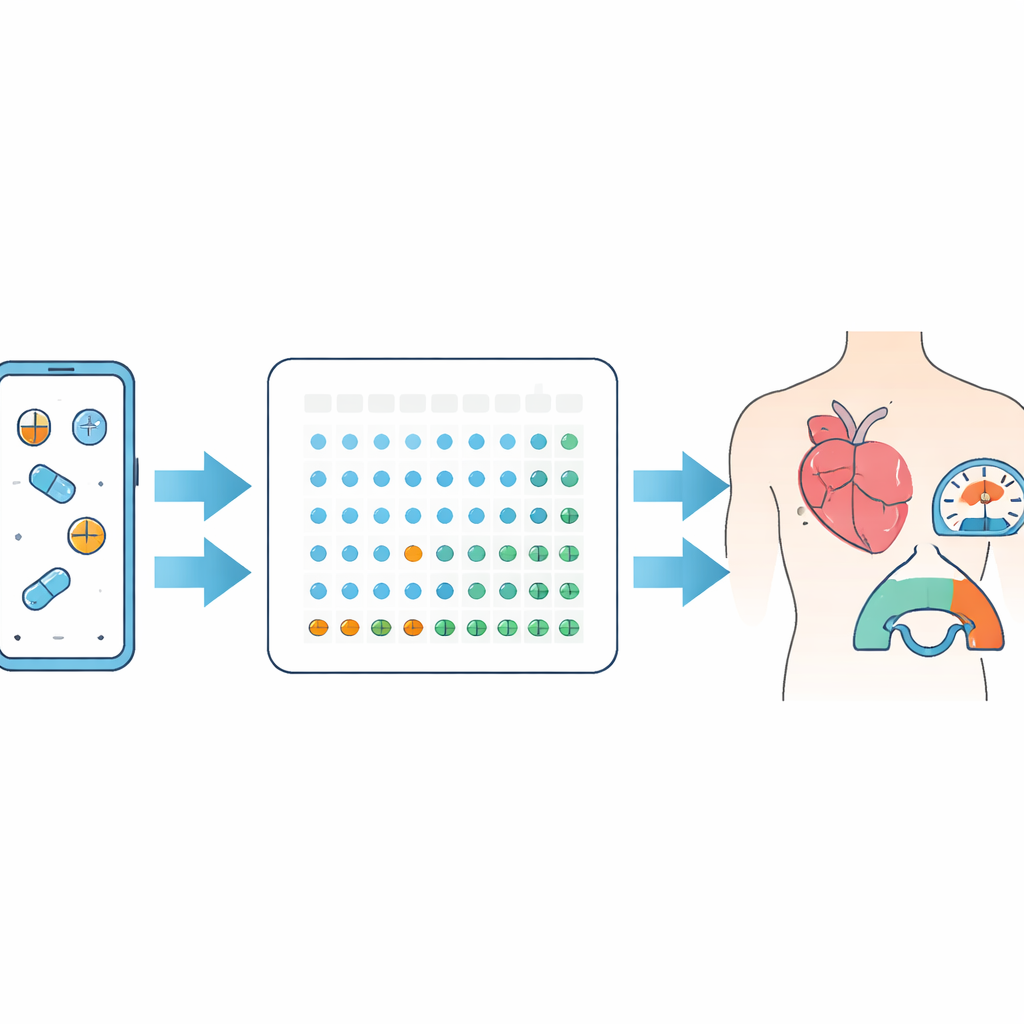
Better routines, better blood pressure
Improved habits translated into better health. By the end of six months, people using the app had lower average blood pressure than those without it. CareAide’s influence did not act in a single leap; instead, the app boosted early adherence, early adherence helped sustain later adherence, and this sustained pattern fed into better blood pressure control. The researchers used advanced statistical tools to tease apart these links and showed that much of the app’s benefit on blood pressure flowed through this step-by-step behavioral chain, rather than appearing as a direct, one-off effect.
Why liking the features matters
Not all aspects of the app were equally important. Overall satisfaction scores were only moderate, but one piece stood out: how satisfied people were with the specific features, such as reliable reminders and clear tracking. This “feature satisfaction” was closely tied to whether people kept using the app and maintained their pill-taking routines. The analysis suggested that these features were not just helpful extras; they were effectively necessary to reach high levels of long-term adherence. Demographic factors like age, income, and education played smaller roles, although there were hints that men benefited slightly more than women.
Turning findings into better tools
By combining different analytical approaches, the team could rank which ingredients of the intervention mattered most and where there was room for improvement. The app itself and early adherence emerged as both powerful and indispensable: without them, high long-term adherence and good blood pressure control were unlikely. At the same time, performance in these areas was not perfect, signaling that better early support and more engaging core features could yield even larger health gains in future versions.
What this means for everyday patients
For patients and families, the message is straightforward. A thoughtfully designed reminder app can do more than simply buzz at pill time; it can help convert good intentions into steady routines that, over months, bring blood pressure down to safer levels. The study shows that getting off to a strong start and genuinely finding the app’s features useful are key. For health systems, the results offer a roadmap: invest in simple, reliable tools that help people build early habits, focus on the functions that patients truly rely on, and use these digital helpers to support — not replace — ongoing medical care.
Citation: Rana, R., Ibrahim, B.B., Huri, H.B.Z. et al. Structural analysis of causal pathways between adherence, satisfaction and clinical outcomes in hypertensive patients using a mobile adherence intervention: A SEM–NCA–cIPMA approach. J Hum Hypertens 40, 370–381 (2026). https://doi.org/10.1038/s41371-026-01132-x
Keywords: medication adherence, hypertension, mobile health app, blood pressure control, digital health intervention