Clear Sky Science · en
Scientific advances in post-exercise hypotension: a bibliometric review
Why a workout can briefly calm your blood pressure
Many people exercise to lose weight or strengthen their heart, but a single workout can also cause a short-lived drop in blood pressure. This effect, known as post-exercise hypotension, is drawing attention as a simple, low-cost way to help manage high blood pressure. The article reviewed here explores how research on this effect has grown over the past four decades and what patterns are emerging worldwide.
What happens to blood pressure after we move
After one session of activity, such as walking or cycling, blood pressure often falls by around 5 to 8 units and can stay lower for several hours, sometimes up to three days. This drop is not dangerous in healthy people and is seen as helpful for those with elevated blood pressure. It seems to arise from several body changes working together, including widened blood vessels, a lower resistance to blood flow, and shifts in the way nerves control the heart and arteries. However, different studies have reported different sizes and durations of this dip, in part because they do not always measure blood pressure in the same way.
How scientists mapped the research field
To understand how this topic has developed, the authors performed a bibliometric review, a type of analysis that looks at patterns across published studies. They searched the Scopus database for papers on post-exercise hypotension from 1985 to 2024 and narrowed nearly 500 records down to 440 English-language articles, reviews, and conference papers. Using specialized software, they built networks that show how often key terms appear together, how authors collaborate, and which countries and institutions contribute most to this field. 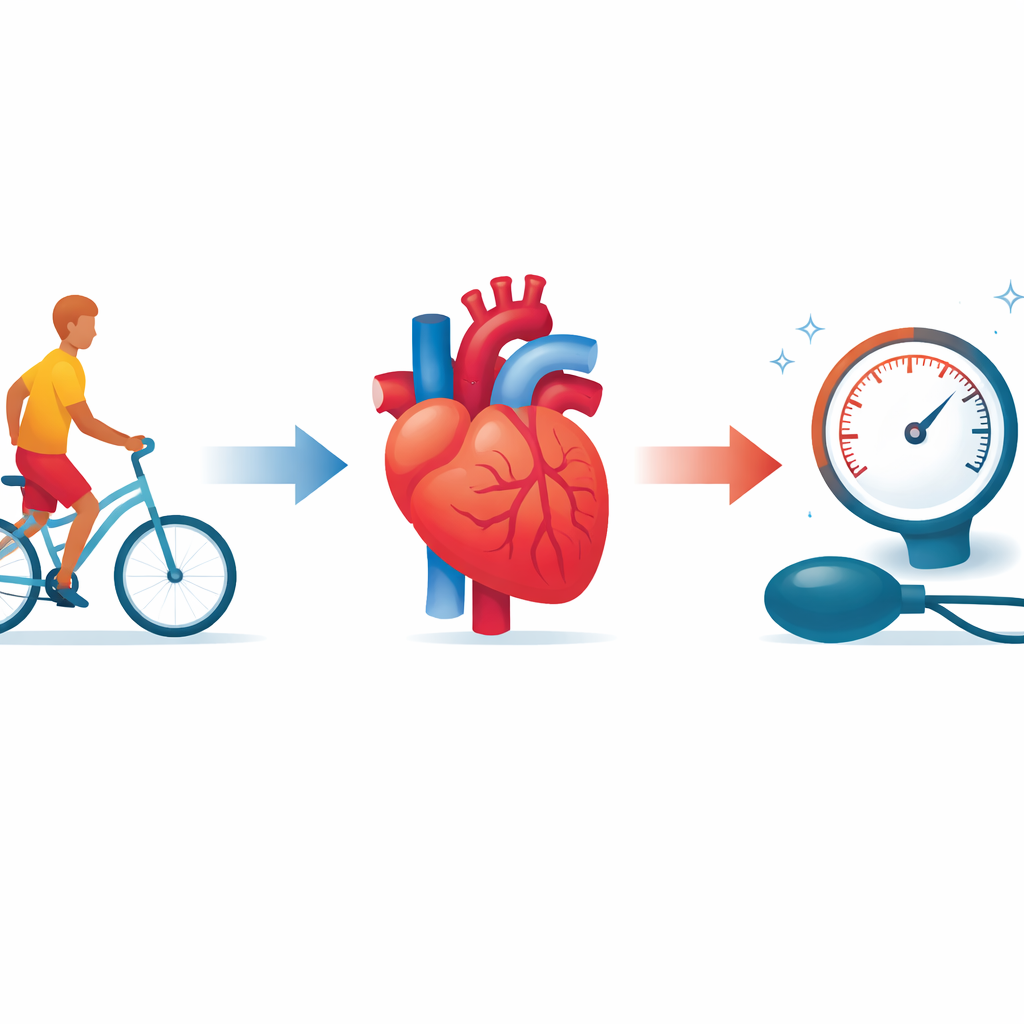
Who is doing the research and what they study
The number of papers on post-exercise hypotension was low and steady until about 2010, then climbed sharply, peaking in 2017. Brazil and the United States now produce most of the work and receive the highest citation counts, with several Brazilian universities among the most productive centers. The most common themes include blood pressure, exercise, and vascular function, with traditional aerobic exercise joined by newer interests such as high-intensity interval training, resistance training, and isometric holds. Recent studies also explore how nutrition, including nitrate-rich foods and the amino acid L-arginine, might boost the blood pressure lowering effect, while some supplements, like very large doses of vitamin D, could blunt it.
Why methods matter for clear answers
Despite the burst of activity, the authors found major differences in how studies are run and reported. Exercise sessions vary in type, length, and intensity, and blood pressure is measured at different times, in different positions, and in settings that range from controlled labs to everyday life. Participants differ in age, sex, and health status, making it hard to compare results. To tackle this, the authors suggest a basic checklist for future work: consistent resting measurements before exercise, clear descriptions of the workout, controlled recovery conditions, agreed time points for follow-up readings, and a precise definition of what counts as post-exercise hypotension. They also encourage greater use of blood and tissue markers that may explain why some people experience a stronger effect than others. 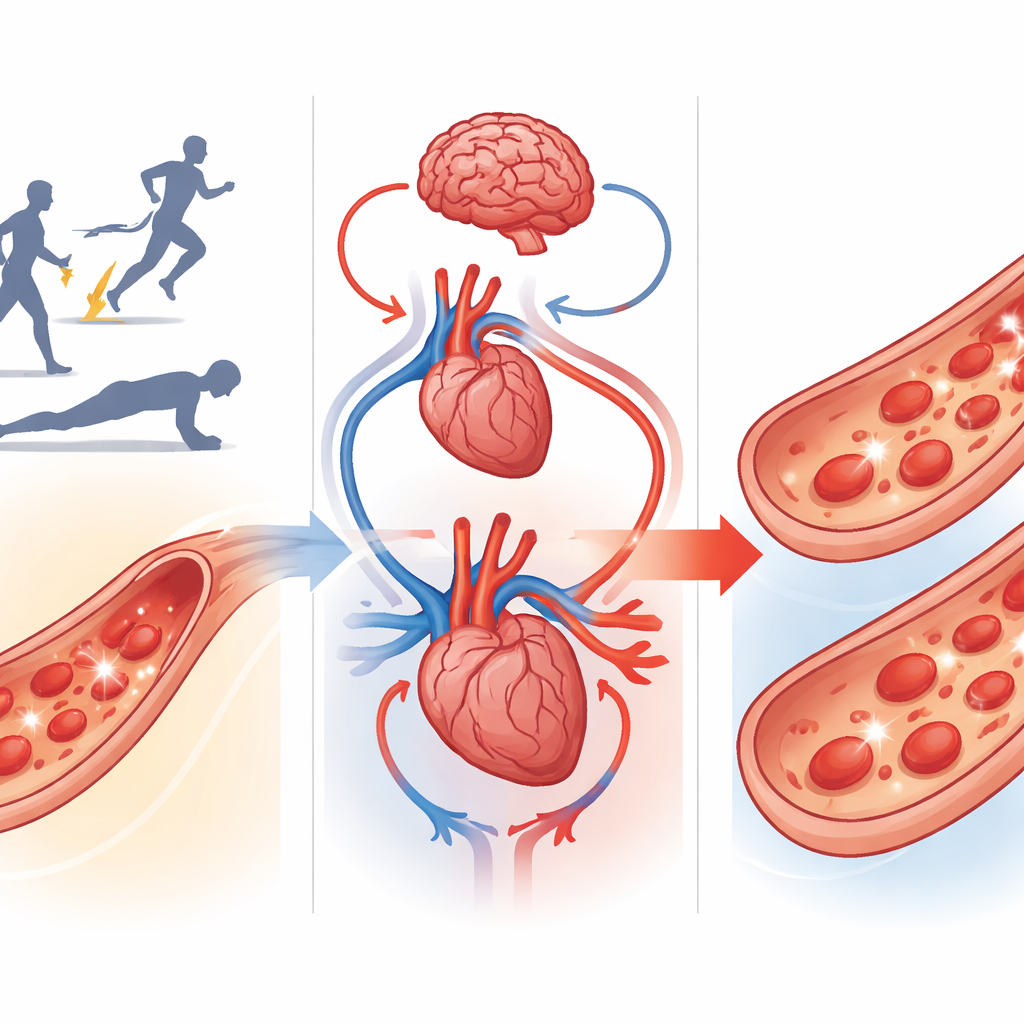
What this means for everyday health
Overall, the review shows that interest in post-exercise hypotension is growing and that a single workout can be a useful window into how a person’s blood pressure responds to movement. While exercise remains only one part of hypertension care, regularly tracking these short-term drops could help tailor exercise programs more safely and effectively, especially for older adults and people with heart, metabolic, or kidney problems. The authors conclude that better and more consistent methods, along with studies that blend exercise and nutrition in diverse groups, are needed to turn this promising effect into a routine tool for improving blood pressure control.
Citation: Sezana-Costa, S., Moresi, E.A.D., Rosa, T.d.S. et al. Scientific advances in post-exercise hypotension: a bibliometric review. J Hum Hypertens 40, 349–353 (2026). https://doi.org/10.1038/s41371-026-01129-6
Keywords: post-exercise hypotension, blood pressure, exercise, hypertension, aerobic and resistance training