Clear Sky Science · en
Metabolic remodeling and the modulatory role of vitamin D deficiency in African American children and adolescents with obesity
Why this study matters for kids and families
Obesity affects many children and teenagers in the United States, and African American youth are especially impacted. Extra weight is not just about body size; it quietly changes the chemistry of the blood in ways that can raise the risk for heart disease and diabetes later in life. This study looked under the hood of the body’s metabolism in more than 500 African American children and young adults to see how obesity reshapes their internal chemistry, and whether low vitamin D levels add extra strain. The findings offer an early warning picture of hidden risk—and hint that vitamin D might slightly nudge these changes for better or worse.
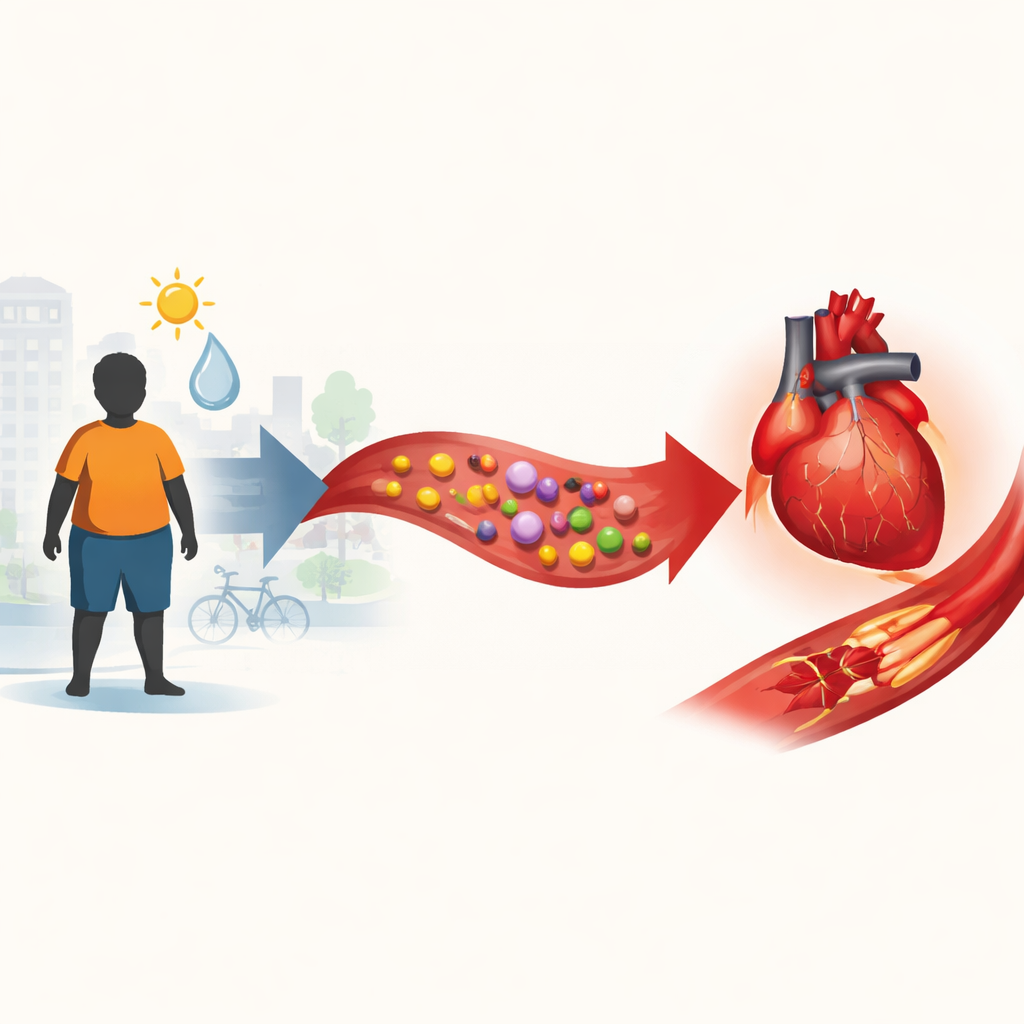
Peeking into the body’s chemical traffic
The researchers used a high-tech blood test called metabolomic profiling, which can measure hundreds of fatty molecules, amino acids (the building blocks of proteins), and inflammation signals all at once. They studied 551 African American participants, ages 2 to 21, treated at a children’s hospital in Philadelphia. Using standard growth charts, they grouped the children by weight status—from normal weight to three classes of obesity. They also checked which participants had vitamin D deficiency, a common problem in children with obesity and in African American communities, where darker skin produces less vitamin D from sunlight.
How obesity reshapes blood fats and particles
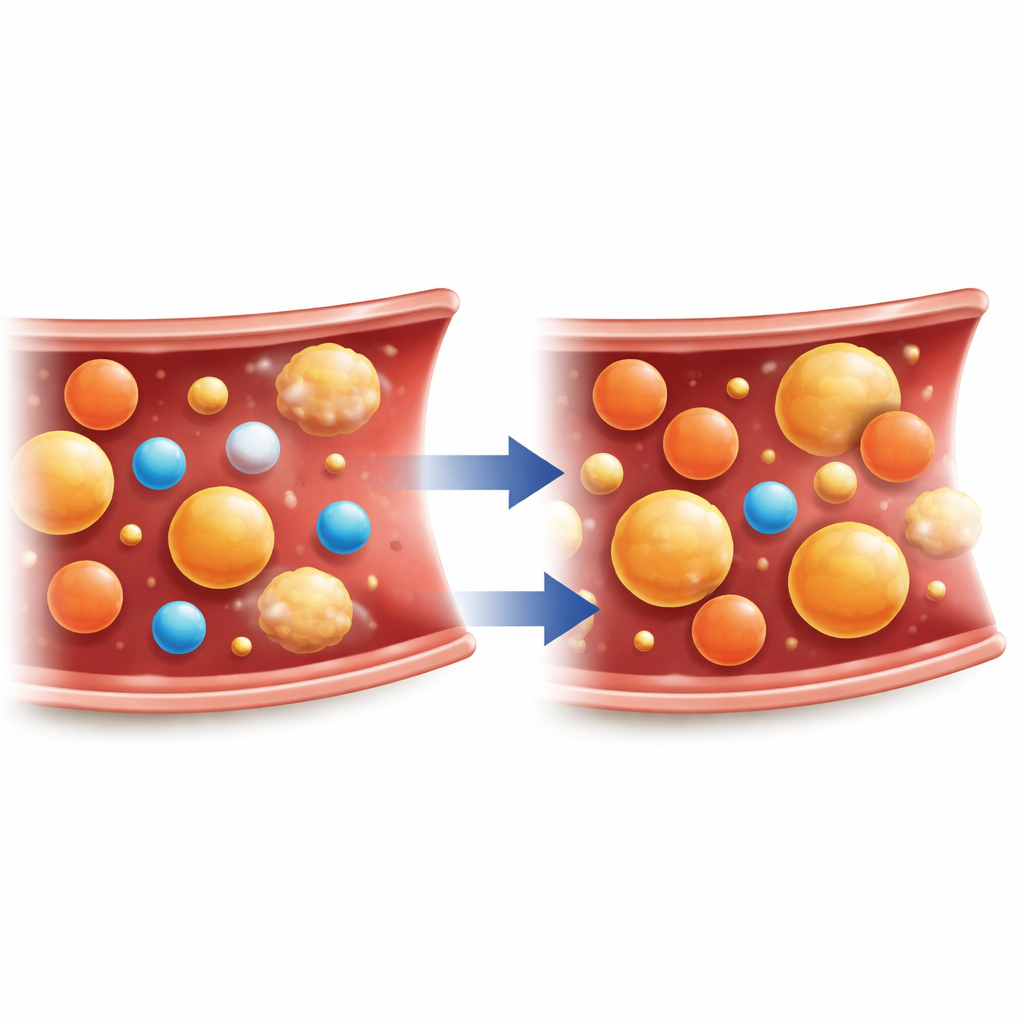
The team found sweeping differences between participants with and without obesity in 142 different blood measurements. Children with higher body weight had more particles that carry fat from the liver into the bloodstream—especially very-low-density lipoproteins (VLDL), which are rich in triglycerides, a type of fat. At the same time, they had fewer large, cholesterol-rich high-density lipoproteins (HDL), often called the “good” cholesterol particles because they help clear fat from blood vessels. Particle sizes shifted as well: VLDL particles tended to be larger, while HDL particles became smaller and scarcer. Taken together, these patterns show a strong tilt away from protective blood fats toward a profile linked with artery clogging and future heart disease.
Amino acids and quiet inflammation
Obesity also left clear fingerprints on other blood chemicals. Levels of certain amino acids—particularly branched-chain amino acids and the aromatic amino acid tyrosine—were higher in children with obesity, while helpful amino acids like glycine and histidine were lower. This combination has been tied in earlier research to insulin resistance, a condition in which the body has trouble using insulin to control blood sugar. The study also found higher levels of GlycA, a marker that reflects low-grade, long-lasting inflammation in the body. These shifts suggest that even in childhood, obesity is accompanied by a network of changes that strain energy metabolism and keep the immune system quietly switched on.
Where vitamin D fits into the picture
Vitamin D deficiency was common in this group, and children with obesity were more likely to be deficient than their peers with lower weight. When the researchers looked for single blood markers that clearly tracked with vitamin D levels, none stood out strongly after strict statistical filtering. However, when they examined patterns across all markers at once, a different story emerged. There were far more small, suggestive signals of interaction than expected by chance, meaning that vitamin D status seems to subtly tune how obesity affects many parts of metabolism at the same time. Certain ratios of blood fats—especially those that describe the balance between fat-rich and protective particles—shifted in different ways in children with both obesity and low vitamin D than in those with obesity alone.
What this means for children’s future health
For a layperson, the key takeaway is that in these African American children and adolescents, obesity is already linked to a broad, coordinated remodeling of the blood’s chemistry: more artery-harming fat particles, fewer protective ones, altered amino acids, and signs of simmering inflammation. These hidden changes mirror the early stages of heart and metabolic disease seen in adults. Vitamin D deficiency does not act like a simple on–off switch but may gently push these obesity-driven changes in a riskier direction. The study underscores the importance of preventing and treating obesity early in life, paying particular attention to groups that bear a heavier burden. It also suggests that checking and managing vitamin D levels could one day become part of a more tailored strategy to protect metabolic health in children, though larger and longer-term studies are needed before turning these clues into firm clinical advice.
Citation: Qu, HQ., Connolly, J.J., Mentch, F. et al. Metabolic remodeling and the modulatory role of vitamin D deficiency in African American children and adolescents with obesity. Int J Obes 50, 777–787 (2026). https://doi.org/10.1038/s41366-025-02003-0
Keywords: pediatric obesity, African American youth, vitamin D deficiency, metabolomics, cardiometabolic risk