Clear Sky Science · en
Adherence to positive airway pressure therapy and healthcare resource utilization and costs among patients with obstructive sleep apnea and obesity
Why Nighttime Breathing Matters for Your Wallet
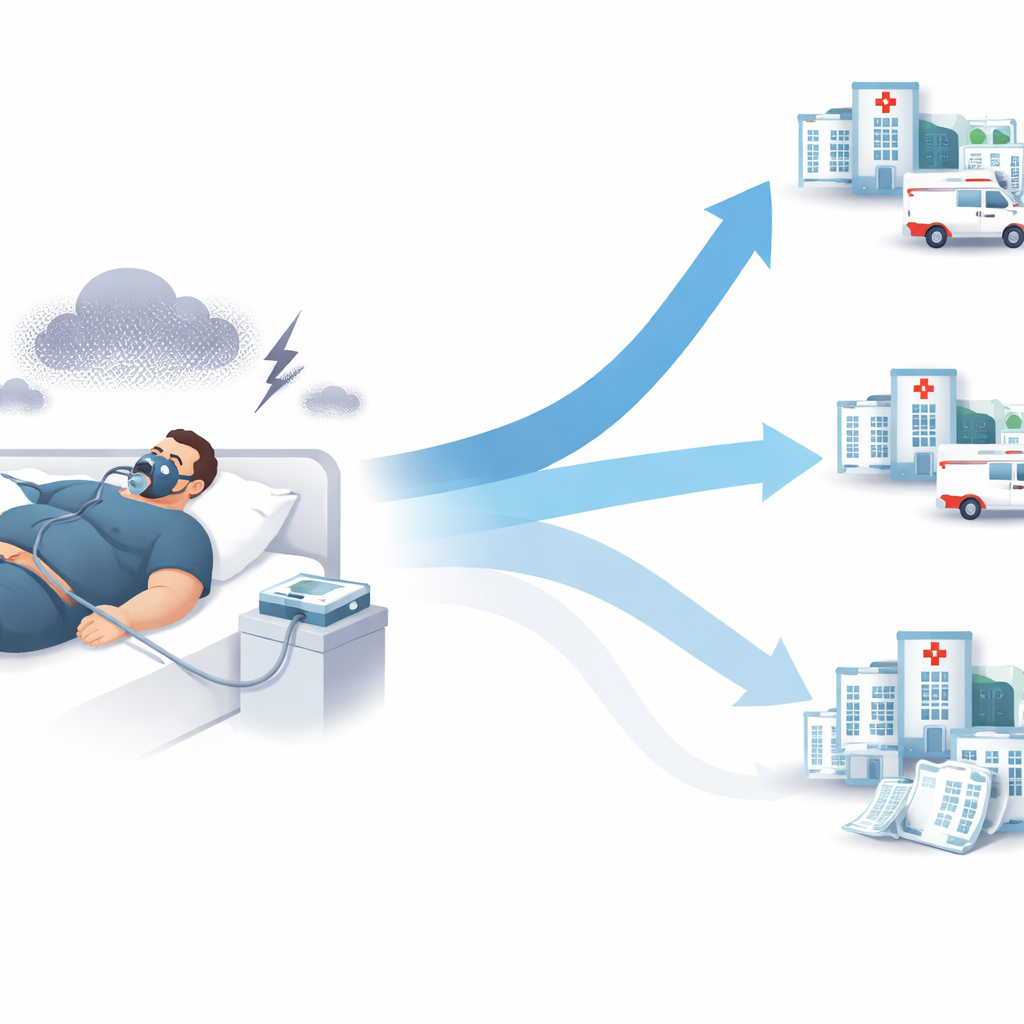
Many people who struggle with weight also quietly battle obstructive sleep apnea, a condition that repeatedly cuts off breathing during sleep. Beyond snoring and daytime fatigue, this problem can drive up doctor visits, emergency room trips, and hospital stays. This study asked a simple but important question: if people with both obesity and sleep apnea actually use their prescribed breathing machines regularly, does it reduce their medical bills and time spent in the hospital?
Two Common Health Problems, One Big Cost
Obesity and obstructive sleep apnea often go hand in hand. Extra weight around the neck and upper body makes the airway more likely to collapse at night, causing pauses in breathing, drops in oxygen, and repeated awakenings. These nightly disruptions are tied to high blood pressure, heart disease, diabetes, and depression. Treating all of these conditions, plus the accidents and lost productivity that follow poor sleep, creates a huge economic burden for individuals and health systems alike.
The Role of the Nighttime Air Pump
Positive airway pressure (PAP) therapy is the standard treatment for sleep apnea. A small bedside machine gently pushes air through a mask to keep the airway open during sleep. PAP is known to improve alertness, blood pressure, and quality of life, and may even lower the risk of early death. But these benefits only appear if people actually use the device most nights. In real life, some patients embrace the treatment, some use it on and off, and others quickly abandon it.
Following More Than 170,000 Real-World Patients
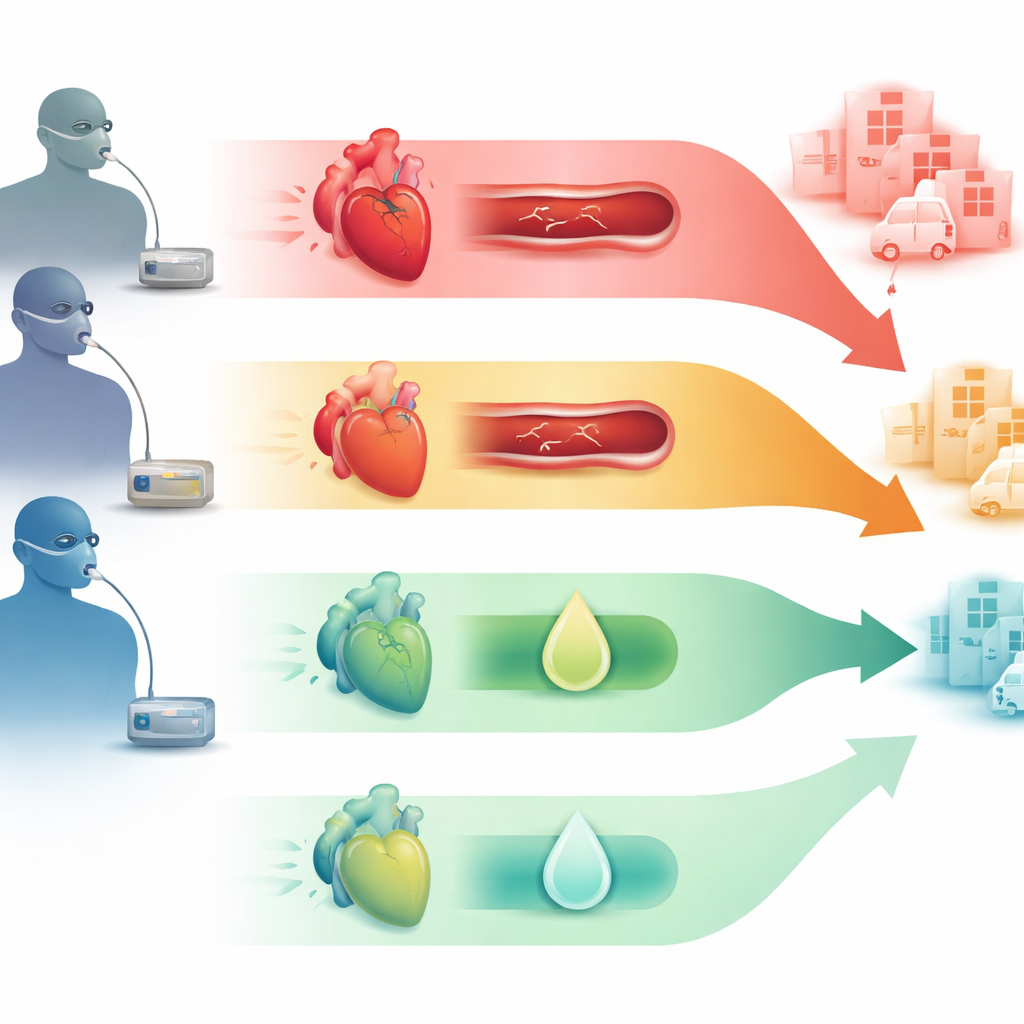
To see how PAP use affects medical spending, the researchers examined records from 173,691 adults in the United States who had obesity, were newly diagnosed with sleep apnea, and started PAP therapy. They linked health insurance claims—which show doctor visits, emergency room trips, hospital stays, and costs—to objective data from cloud-connected PAP machines that recorded nightly use. Patients were grouped into three patterns over two years: those who consistently met a standard insurance definition of good use, those who met it some of the time, and those who never reached that level.
Fewer Emergencies and Lower Bills with Steady Use
After adjusting for age, other illnesses, and general health habits, the differences between groups were clear. In the first year after starting PAP, people who used their machine regularly had fewer emergency room visits and fewer hospital stays than those who rarely or never used it. Their total healthcare costs were also lower—about six hundred dollars less per person in the first year and nearly seven hundred dollars less in the second year, even after including the cost of the equipment. Those with in-between use fell in the middle: they had more visits and higher costs than the most consistent users, but better outcomes than non-users, suggesting that more nights on PAP bring more benefit.
Why Better Sleep May Save Money
Improved breathing at night may ease strain on the heart, blood vessels, and metabolism. Over time, this can mean better control of high blood pressure and diabetes and fewer flare-ups of other conditions linked to obesity and sleep apnea. If emergencies and hospitalizations become less common, the savings start to add up. While the amount saved per person each year may sound modest, scaling this to millions of people with undiagnosed or untreated sleep apnea could translate into major national healthcare savings.
What This Means for Patients and Health Systems
This study shows that for adults living with both obesity and sleep apnea, sticking with nightly PAP therapy is not just about sleeping better and feeling more awake. Consistent use is tied to fewer emergency room visits, fewer hospital stays, and lower overall medical costs over at least two years. For patients, that means better health and fewer medical crises. For health systems and insurers, it underscores the value of investing in support, coaching, and technology that help people stay on treatment—a strategy that could pay off in both lives improved and dollars saved.
Citation: Sert Kuniyoshi, F.H., Cameron, A., Pépin, JL. et al. Adherence to positive airway pressure therapy and healthcare resource utilization and costs among patients with obstructive sleep apnea and obesity. Int J Obes 50, 741–749 (2026). https://doi.org/10.1038/s41366-025-01985-1
Keywords: obstructive sleep apnea, obesity, CPAP adherence, healthcare costs, hospitalizations